General articles are free for 24 hours after publish.
Vietnam Advances DNA Testing for Over 13,000 Martyrs' Remains
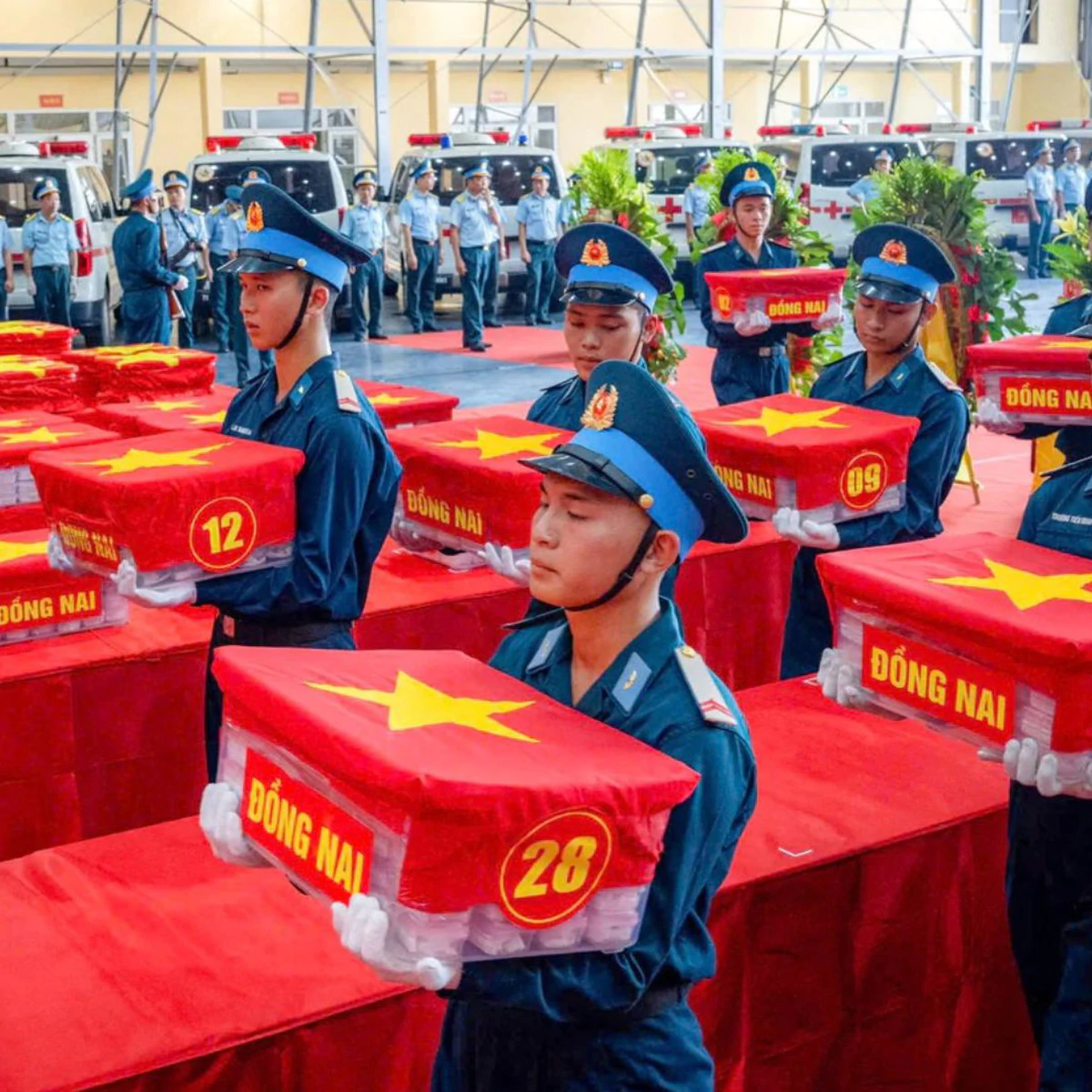
Over 13,000 biological samples from martyrs' remains have been transported from Ho Chi Minh City to Hanoi for DNA identification. This initiative is part of a national effort to identify war casualties, symbolizing the nation's commitment to honoring its past and building a unified future.
A CASA-295 transport aircraft belonging to the Air Defense-Air Force of Vietnam's Air Force has transported over 13,000 biological samples from martyrs' remains from Ho Chi Minh City to Gia Lam Airport in Hanoi. This large-scale transfer is part of the national effort to identify the remains of fallen soldiers, a project that has been ongoing since the end of the Vietnam War. Following the country's reunification in 1975, Vietnam has continuously worked to identify the remains of soldiers lost during the war and return them to their families. Advances in DNA identification technology have played a crucial role in clarifying the identities of remains that were previously difficult to ascertain. This transfer aims to centralize the identification process for samples collected in the south at specialized facilities in the north, thereby enhancing the efficiency and accuracy of the identification work. The Vietnamese government views this initiative as a significant national project, essential for preserving the memory of the war and strengthening national solidarity. Under its one-party system, state-led projects in Vietnam also serve as a means of social integration. Honoring the sacrifices of war and commemorating their contributions are considered indispensable for fostering patriotism and reinforcing support for the current political system. Furthermore, in the context of complex relations with China, this effort may also serve to consolidate domestic unity. This endeavor extends beyond merely settling past accounts; it reflects Vietnamese societal values of vowing never to repeat the tragedies of war and honoring those who contributed to nation-building. The identified remains will ultimately be returned to their families or interred in national memorial sites. Source: The Saigon Times
Original source
The Saigon Times