General articles are free for 24 hours after publish.
Philippines Gears Up for Tax Reform: Income Tax Exemption Threshold to Rise, MCIT to be Removed
The Bureau of Internal Revenue (BIR) of the Philippines has announced its readiness to implement tax reforms, including an increase in the annual income tax-exempt threshold and the removal of the Minimum Corporate Income Tax (MCIT) for micro and small enterprises, as proposed by the President. These measures are expected to benefit numerous workers and small businesses.
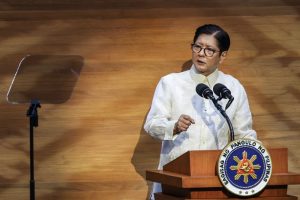
The Bureau of Internal Revenue (BIR) of the Philippines has announced its readiness to implement tax reforms proposed by President Ferdinand R. Marcos, Jr., which include an increase in the annual income tax-exempt threshold and the removal of the Minimum Corporate Income Tax (MCIT) for micro and small enterprises. President Marcos has urged Congress to raise the annual income tax-exempt threshold from the current P250,000 to P350,000. This measure is expected to benefit at least 3.13 million workers, with an additional 1.2 million no longer required to pay income tax. The removal of the MCIT will benefit approximately 78,000 micro and small enterprises. BIR Commissioner Charlito Martin R. Mendoza stated that the bureau is prepared for the swift and efficient implementation of these measures once Congress enacts the relevant bills. He also indicated that parallel to the reform implementation, the BIR will continue its ongoing initiatives to strengthen tax administration and enhance taxpayer experience. Furthermore, the BIR plans to focus on reviewing regulations that are no longer responsive to taxpayer needs, simplifying compliance, and improving services. Through consultations with stakeholders, the bureau aims to ensure its initiatives address their most pressing concerns. According to estimates by the Department of Finance (DoF), these tax proposals are projected to result in P66 billion in foregone government revenue annually. However, economic benefits such as increased disposable income for workers and reduced operating burdens for small businesses are also anticipated. This tax reform is positioned as a key policy of the Marcos administration aimed at revitalizing the Philippine economy and improving the livelihoods of its citizens. Particularly, amidst ongoing economic recovery post-pandemic, stimulating personal consumption and supporting the growth of small and medium-sized enterprises will be crucial for sustained economic growth.
Original source
BusinessWorld Economy