Vietnam Cultivates Tourism as Economic Growth Driver, Enhancing Global Competitiveness with Diverse Attractions and Digitalization
Culture
2026年7月3日
6
VietnamPlus English
Relations
🇻🇳Vietnam🇨🇳China🇮🇳India

Vietnam Cultivates Tourism as Economic Growth Driver, Enhancing Global Competitiveness with Diverse Attractions and Digitalization

AI サマリー

Vietnam is positioning tourism as a key driver of economic growth, accelerating digital transformation and enhancing international competitiveness through diverse attractions and infrastructure development. Notably, increasing arrivals from China and India are contributing to regional economic revitalization.

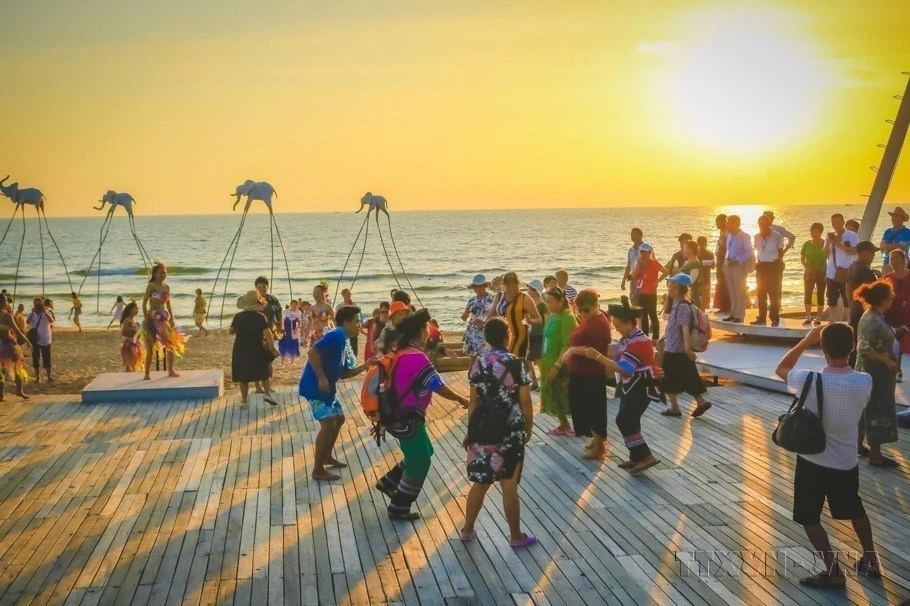
Vietnam is strengthening its strategic initiatives to cultivate the tourism sector as a key driver of economic growth. As part of the country’s 2026–2030 digital economy and digital society development program, tourism has been identified as one of the priority sectors for accelerating digital transformation, aiming to improve governance efficiency, service quality, and visitor experiences. These efforts focus on diversifying Vietnam's tourism resources and enhancing their quality. For instance, Phu Quoc Island has seen a significant increase in visitors in less than a decade, recording over 8.1 million in 2025. Sa Pa also welcomed around 4.3 million tourists in the same year, with tourism revenue experiencing a dramatic surge. This indicates the potential for revitalizing regional economies and creating a new engine for sustainable growth. In the international market, the rise in travelers from China and India is particularly notable. In the first five months of 2026, accommodation searches in Vietnam by Chinese travelers surged by 164% year-on-year, marking the fastest growth among key international source markets. Indian arrivals have also increased substantially, reaching 750,000 in 2025, a 4.5-fold increase compared to 2019. This success is attributed to expanded direct flights, simplified visa procedures, and Vietnam's attractive landscapes coupled with affordable pricing. Vietnam's tourism strategy extends beyond showcasing historical sites. It offers diverse experiences, including the vibrant Old Quarter of Hanoi, UNESCO World Record-holding attractions on Phu Quoc Island, the appealing beaches of Da Nang, and the cultural heritage of Hue. Furthermore, new tourism products are being developed near Ho Chi Minh City, combining modern entertainment with local cultural and ecological experiences. Unique experiences, such as the “5 Cua O” heritage train, which allows travelers to enjoy traditional music while touring the scenic landscapes of the ancient capital Hanoi, are also being offered. According to Nguyen Trung Khanh, Director General of the Vietnam National Authority of Tourism (VNAT), independent travel (FIT) has become a defining trend in the post-pandemic era, with travelers increasingly seeking flexibility, personalized experiences, and authentic cultural engagement. In response, Vietnam is reviewing its tourism products, improving service delivery, and restructuring its marketing strategies. Through these multifaceted initiatives, Vietnam is steadily reinforcing its position as a dynamic and promising tourism destination in Southeast Asia. Strategic investments, infrastructure upgrades, and approaches to diverse international markets are expected to significantly contribute to Vietnam's sustained economic growth.

多角的分析

経済的影響

ベトナム経済において、観光は外貨獲得と雇用創給の重要な柱となりつつある。特に、中国やインドからの旅行者増加は、サービス業、飲食業、小売業に直接的な経済効果をもたらす。デジタル化への投資は、予約システム、プロモーション、観光客管理の効率化を通じて、長期的な生産性向上に寄与すると考えられる。これは、ベトナムが製造業への依存から脱却し、サービス経済へと移行する上での重要なステップである。

投資家心理

ベトナムの観光セクターへの投資は、高い成長ポテンシャルを秘めている。特に、インフラ整備(空港、道路、リゾート施設)や、体験型観光(エコツーリズム、文化体験)に焦点を当てたプロジェクトは、投資家の関心を集めるだろう。しかし、市場の変動性、特に国際情勢やパンデミックのような予期せぬ事態への脆弱性はリスク要因となる。デジタル化への投資は、運用効率を高め、顧客体験を向上させることで、投資リターンの安定化に貢献すると期待される。

社会的影響

観光の振興は、地方経済の活性化と雇用機会の創出に繋がる一方で、急速な開発は地域社会や文化遺産への影響も懸念される。例えば、フーコック島のような人気観光地では、観光客の増加に伴うインフラへの負荷や、地域住民の生活様式の変化が課題となる可能性がある。また、観光客の多様なニーズに応えるためには、質の高いサービスを提供する人材育成が不可欠であり、これは教育システムへの影響も示唆する。

市民の声

ベトナム国民にとって、観光業の成長は直接的な恩恵をもたらす可能性がある。新たな雇用機会の創出、特に地方部での収入増加が期待される。また、国内旅行の促進は、国民が自国の多様な文化や自然に触れる機会を増やす。しかし、観光地の過密化や、地域によっては物価上昇といった側面も無視できない。例えば、ハノイの旧市街のような歴史地区では、観光客の増加が地域住民の日常生活に影響を与える可能性がある。

背景・歴史的文脈

ベトナムは、ドイモイ政策以降、経済成長の原動力として製造業と輸出を重視してきた。しかし、近年、経済の多角化と持続可能性の観点から、サービス業、特に観光業の重要性が高まっている。2015年頃から観光ビザの緩和や直行便の増加により、外国人観光客数は増加傾向にあったが、COVID-19パンデミックにより一時的に打撃を受けた。ポストパンデミック期に入り、政府は観光業の回復とさらなる発展を目指し、デジタル化、インフラ投資、そして観光商品の多様化を推進している。これは、ベトナムが国際観光市場での競争力を高め、経済成長の新たな柱を確立しようとする長期的な戦略の一部である。

原文ソース

VietnamPlus English

原文を読む