Philippines' Upper-Middle Income Status: A Vote of Confidence, But Will It Reach Ordinary Filipinos?
The Philippines has officially been classified as an upper-middle income country by the World Bank. President Marcos hailed this as a vote of confidence in his administration's economic policies, but some question the tangible benefits for ordinary citizens.
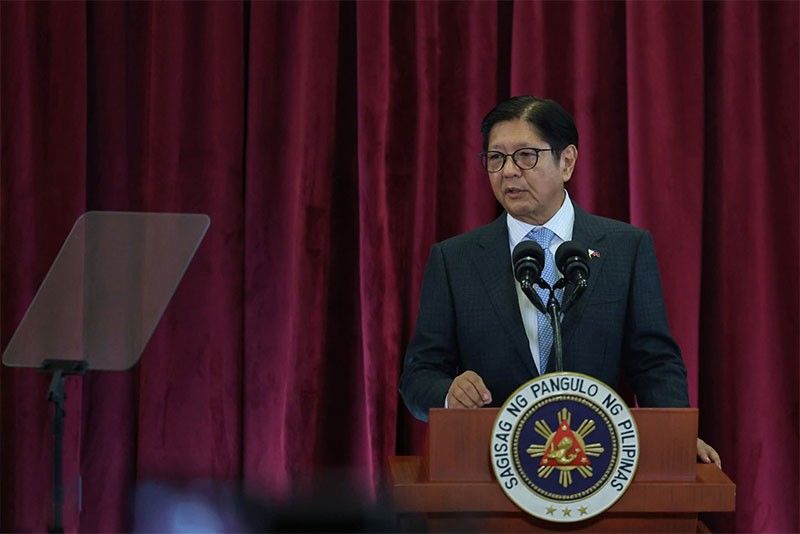
President Ferdinand Marcos Jr. described the Philippines' reclassification as an upper-middle income country by the World Bank as a "vote of confidence" in the nation's potential and a validation of his administration's economic policies over the past four years. "For years, Filipinos have worked hard to build this country. Today, the world has taken notice. The Philippines has officially become an upper-middle income country," Marcos said in a video message from Vancouver, Canada, where he is on an official visit. The World Bank reported that the Philippines has reached upper-middle income status, driven by broad-based economic expansion with the economy posting an average annual gross domestic product of 5.8 percent over the past five years. The development "validates the progress we have made and the resilience of the Filipino people," Marcos said. "It is also a vote of confidence in our country’s future. Greater confidence means more investments. More investments mean more businesses, better quality jobs and more opportunities for Filipino families." "After nearly four decades as a lower-middle income country since 1987, this milestone affirms that the economic policies we have pursued over the past four years have been effective," the President stated. He added that "Our steady economic growth, broadly stable currency and long-term reforms have strengthened our economy even amid global uncertainties." However, some voices question whether this statistical classification truly reflects the realities for many Filipinos. Undersecretary Rosemarie Edillon of the Department of Economic Planning and Development (NEDA) pointed out the need to increase spending on infrastructure and human capital to sustain these gains. Meanwhile, Donald Lim, president of the Management Association of the Philippines (MAP), acknowledged it as a "positive signal to global investors that our economy has made meaningful progress," but noted that many citizens continue to struggle with the high cost of living. Skepticism has also been voiced by some lawmakers and labor groups. ACT Teachers party-list Rep. Antonio Tinio called the reclassification "propaganda," highlighting the current low wages for many workers. The Trade Union Congress of the Philippines (TUCP) questioned the government's claims that a legislated wage hike, the first in 37 years, would harm the economy, emphasizing the need for such an increase.
多角的分析
フィリピンが中間層上所得国に昇格したことは、マクロ経済の安定と構造改革の継続がもたらした成果を示唆している。しかし、このステータス維持には、インフラ投資と人的資本開発への継続的な政府支出が不可欠である。特に、官民連携(PPP)を通じたインフラ整備の加速は、国内需要の刺激と生産性向上に寄与する可能性がある。一方で、グローバルな経済不確実性の中で、通貨の安定性を維持しつつ、インフレ圧力を抑制することが、持続的な経済成長の鍵となるだろう。
中間層上所得国への昇格は、フィリピン経済の潜在力に対する国際社会の信頼を高め、海外からの直接投資(FDI)を呼び込む上でポジティブなシグナルとなる。特に、インフラ開発、デジタル化、再生可能エネルギー分野への投資機会が増加すると考えられる。しかし、投資家は、政権の経済政策の継続性、規制環境の透明性、そして法治主義の遵守を注視するだろう。また、国内の格差是正や所得向上といった「実体経済」の改善が伴うかどうかが、長期的な投資判断において重要となる。
中間層上所得国への分類は、国民一人ひとりの生活実感と乖離しているという指摘は、フィリピン社会が抱える構造的な課題を浮き彫りにしている。特に、マニラ首都圏や主要都市部以外では、依然として貧困や格差が深刻であり、高騰する生活費は多くの世帯を圧迫している。この昇格が、教育、医療、雇用機会の改善といった形で、地方や貧困層にまで恩恵をもたらすかどうかが、社会的な安定と国民の満足度を左右する重要な要素となる。国民の生活水準向上が実感できる政策の実行が求められている。
中間層上所得国への昇格は、私たちが長年努力してきたことへの評価だと聞きました。でも、正直なところ、私たちの毎日の生活がすぐに良くなるのか、まだ実感できていません。物価はどんどん上がっているし、給料はそれほど増えていない。この「国全体の進歩」が、私たちの食卓や子供たちの将来にどう繋がるのか、もっと具体的な変化を期待しています。政府には、数字だけでなく、私たち一人ひとりが豊かさを感じられるような政策を進めてほしいです。
背景・歴史的文脈
フィリピンが中間層上所得国に分類されたのは、世界銀行が定める国民一人当たりの所得(GNI)基準に基づいている。この基準は定期的に見直され、経済成長に伴い引き上げられる。フィリピンは1987年以降、約40年間にわたり中間層下所得国に留まっていたが、近年の堅調な経済成長、特にパンデミックからの回復力が、今回の昇格を後押しした。しかし、この分類はあくまで統計的なものであり、国内の所得格差や地域間の開発の不均衡は依然として大きな課題として残っている。過去、同様の昇格を果たした国々でも、国民生活の改善には時間がかかり、政策の継続性が問われてきた。
原文ソース
Philstar Nation