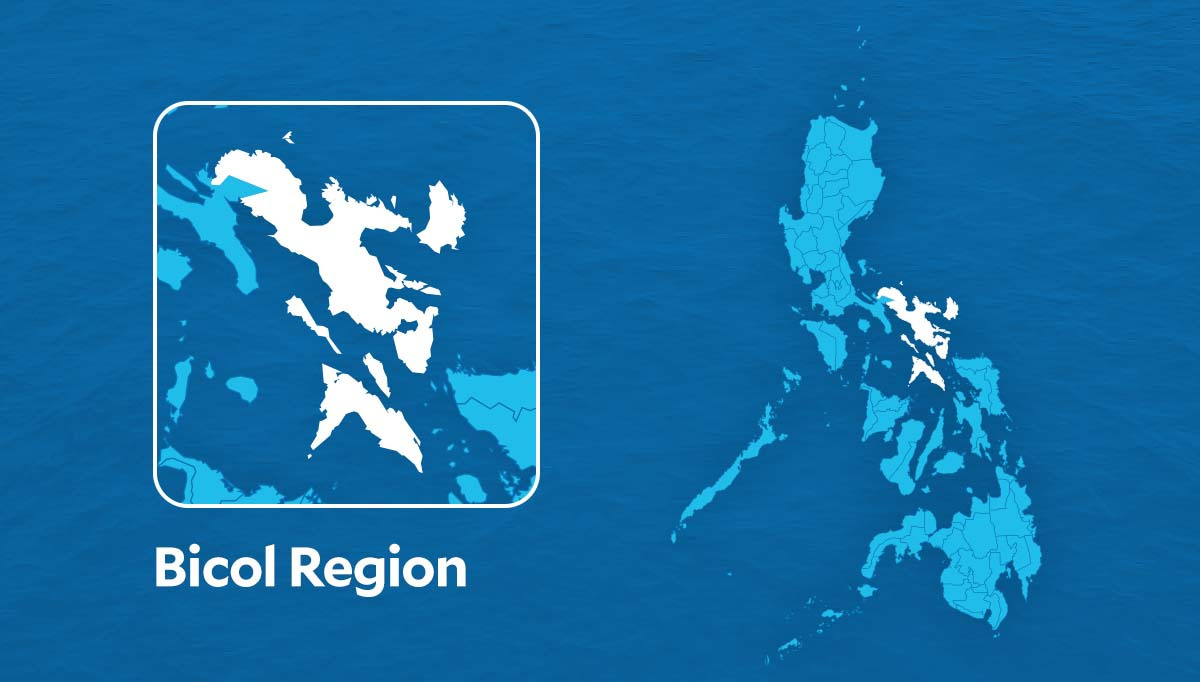
Bicol Authorities Enforce Travel Restrictions, Heighten Disaster Preparedness Amid LPA Threat
Authorities in the Bicol region of the Philippines have enforced travel restrictions and heightened disaster preparedness measures due to the approach of a low-pressure area (LPA). Masbate province has banned all small sea vessels, while Camarines Sur has ordered preemptive evacuations. Public advised to avoid nonessential travel to ease traffic.
Authorities across the Bicol region enforced travel restrictions and heightened disaster preparedness measures on Monday, June 29, as a low-pressure area (LPA) continued to threaten the region. Masbate Gov. Richard Kho ordered all small sea vessels and watercraft operating within the province to remain in port due to heavy rains and rough seas caused by the LPA, which has a high probability of developing into a tropical cyclone. Kho also advised local government units to suspend classes when necessary. READ: Heavy rains to persist as LPA may become cyclone – Pagasa In Camarines Sur, the Emergency Operations Center was placed on red alert to ensure that response personnel and assets were ready for immediate deployment. Gov. Luis Raymund Villafuerte Jr. directed local officials to carry out preemptive evacuations of residents living in hazard-prone areas and mandatory evacuations for families facing imminent danger. Recreational activities, including swimming and island-hopping, were also suspended. Villafuerte likewise urged fisherfolk and boat operators not to venture into the sea or lakes because of the weather disturbance. Meanwhile, the Land Transportation Office in Bicol advised the public to avoid nonessential travel to the region, particularly to Masbate and Catanduanes, as well as routes connecting to the Visayas and Mindanao, to help ease traffic congestion along the Maharlika Highway and at major ports. /mcm
多角的分析
熱帯低気圧(LPA)の接近は、ビコール地方の経済活動に直接的な影響を与えます。特に漁業や観光業は、海上交通の遮断やレクリエーション活動の停止により、短期的な収益減少に見舞われます。また、インフラへの被害が発生した場合、復旧には追加の経済的負担が生じます。過去の台風被害の事例から、農作物への影響も懸念され、食料価格の上昇につながる可能性も考えられます。
投資家にとっては、短期的なインフラ被害リスクと、それに伴うサプライチェーンの寸断リスクを考慮する必要があります。特に、地域経済の回復には政府のインフラ投資や支援策が不可欠であり、その動向が投資判断に影響を与えるでしょう。長期的な視点では、気候変動への適応策が進む地域への投資は、リスク分散の観点から注目される可能性があります。
ビコール地方の住民、特に沿岸部や低地の居住者は、直接的な生命と財産への脅威に直面します。避難指示は、住民の安全確保を最優先とするものの、避難生活における衛生問題、食料・水の確保、そしてコミュニティの分断といった課題を生じさせます。また、不要不急の移動制限は、物流の遅延や、遠隔地に住む家族との連絡・移動の困難さを引き起こし、日常生活に支障をきたします。
今回のLPAによる渡航制限や避難指示は、ビコール地方の住民、特にマスメート島やカタンドゥアネス島といった島嶼部に住む人々の生活に直接的な影響を与えます。海上交通が遮断されることで、物資の供給が滞り、食料品や日用品の価格上昇を招く可能性があります。また、避難を余儀なくされた人々は、一時的な住居の確保や衛生環境の維持に苦慮することになります。学生にとっては、休校措置が学習機会の喪失につながる懸念もあります。
背景・歴史的文脈
フィリピンは、太平洋の「火山の輪」と「台風回廊」に位置するため、自然災害、特に台風や熱帯低気圧の影響を非常に受けやすい国です。ビコール地方は、フィリピン東部に位置し、太平洋からの湿った空気が直接影響を受けるため、台風の常襲地帯となっています。過去には、2013年の台風ヨランダ(ハイエン)のような壊滅的な被害をもたらした事例もあり、政府および地方自治体は、常に災害への備えを怠らないことが求められています。LPA(熱帯低気圧)は、台風に発達する前の段階であり、その進路や発達具合によって、地域社会に与える影響が大きく変動します。
原文ソース
Inquirer NewsInfo