General articles are free for 24 hours after publish.
Senator Tulfo Advocates for New Nuclear Facilities Over BNPP Revival
Senator Erwin Tulfo expressed opposition to reviving the mothballed Bataan Nuclear Power Plant (BNPP) due to safety concerns, favoring the construction of new facilities instead. He also stressed the importance of public acceptance for nuclear energy.
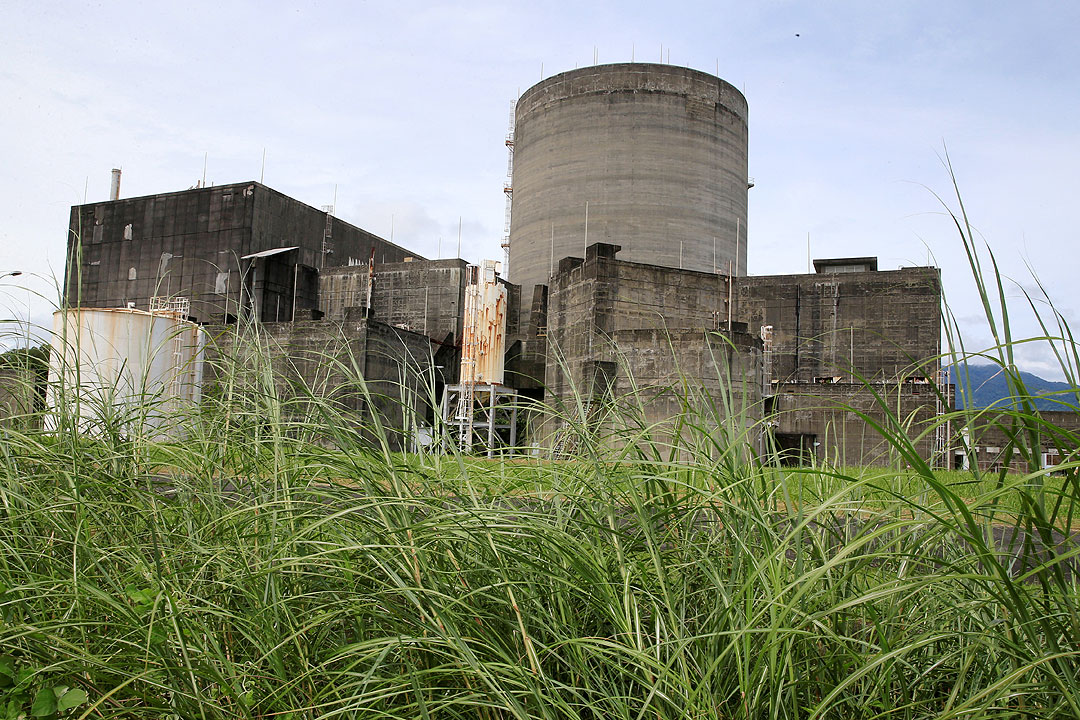
Senator Erwin T. Tulfo has expressed opposition to reviving the mothballed Bataan Nuclear Power Plant (BNPP) due to safety concerns, favoring the construction of new facilities instead. Speaking at the Enlit Asia 2026 power-industry conference on Thursday, Mr. Tulfo, who chairs the Senate Committee on Energy, said, “How safe is the Bataan Nuclear Power Plant? It has been in existence since the ’70s. We are already in 2026. If you were to ask me, we might as well build a new facility.” Mr. Tulfo said the Philippines should instead consider adopting newer nuclear technology. He added that the government still needs to win public acceptance for nuclear. “The problem is, will it sell to the people? Will they buy into it? At the end of the day, they will be the ones to decide,” he said. Winning the public over is ultimately the job of the government, particularly the Philippine Atomic Energy Regulatory Authority (PhilATOM), he said. The BNPP, located at Napot Point in Morong, Bataan, was completed in 1985, two years delayed, according to the Philippine Nuclear Energy Program. Questions were raised about launching the plant after the first Marcos government was overthrown, followed months later by the destruction of a nuclear reactor unit at Chernobyl in Ukraine, when the latter was still part of the Soviet Union. In 2022, the Philippines began reassessing the role of nuclear energy in its power mix, setting a target of 1,200 megawatts (MW) of initial capacity, rising to 2,400 MW by 2035 and 4,800 MW by 2050. The current government is exploring the possibility of reviving the BNPP, which was designed to generate 621 MW. The Department of Energy (DoE) signed a memorandum of understanding with Korea Hydro & Nuclear Power Co. Ltd. in 2024 to collaborate on a comprehensive technical and economic feasibility study on the potential rehabilitation of the BNPP. The study commenced in January 2025. The DoE said nuclear energy is “one of the cleanest sources of power,” as it does not emit carbon dioxide and has the capacity to provide a reliable and stable supply of power to the grid. Signed on Sept. 18, Republic Act No. 12305, or the Philippine National Nuclear Energy Safety Act, organized PhilATOM as an independent nuclear regulatory agency responsible for overseeing all nuclear and radiation-related activities in the Philippines. — Sheldeen Joy Talavera
Original source
BusinessWorld Economy