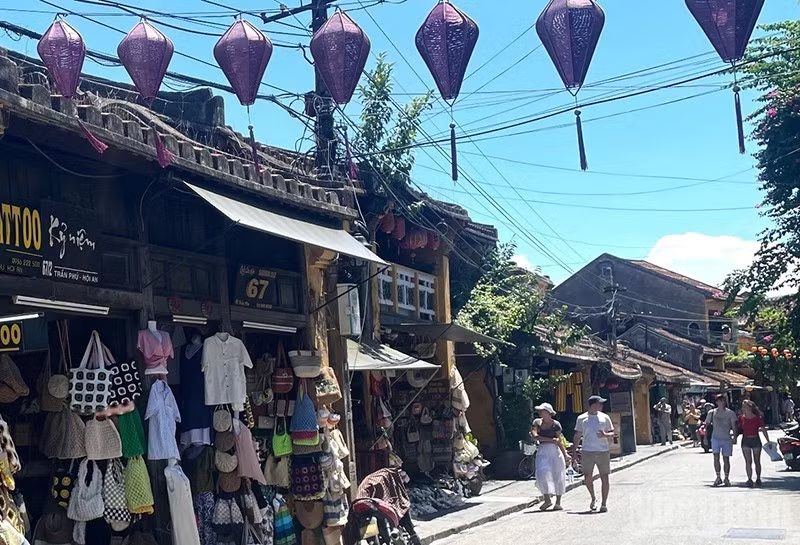
Vietnam's Central Region Faces Prolonged Heatwave Alert
Diplomacy
2026年7月9日
3
Nhan Dan

Vietnam's Central Region Faces Prolonged Heatwave Alert

AI サマリー

Vietnam's Central Region, from Nghe An to Da Nang and eastern provinces of Quang Ngai to Dak Lak, is forecast to experience prolonged heat with peak temperatures of 35-36°C, exceeding 36°C in some areas, expected to continue for several days.

The central region of Vietnam, from Nghe An to Da Nang city, and the eastern parts of Quang Ngai to Dak Lak provinces, are forecast to experience intense heat with peak temperatures reaching 35-36°C, and exceeding 36°C in some locations, as of July 9th. The relative humidity is expected to be low, around 55-60% at its lowest. This heatwave is predicted to persist for several more days, urging residents to take adequate precautions against heatstroke and dehydration. Outdoor activities are particularly advised to be avoided during the hottest hours of the day. While high temperatures are common in Vietnam during summer, their intensity has been increasing in recent years, likely due to the impacts of climate change. The government is intensifying the dissemination of weather information and awareness campaigns on heatstroke prevention to protect public health and safety. Under its one-party system, the Vietnamese government prioritizes the stability of public life, and responses to natural disasters like this are considered a crucial responsibility. While Vietnam continues its economic growth, strengthening infrastructure and information dissemination systems to safeguard public health and safety remains an ongoing challenge. Furthermore, Vietnam shares a long border with China and maintains close economic ties, but cooperation with the international community is also essential for addressing global issues such as climate change. The response to this heatwave highlights the need for international collaboration, not only for domestic stability but also for global efforts.

多角的分析

経済的影響

ベトナム中部における数日間の猛暑は、農業生産に直接的な影響を与える可能性がある。特に、米や果物などの主要作物は高温や水不足に弱いため、収穫量の減少や品質低下につながる恐れがある。これは、農村部の所得低下を招き、国内の食料供給にも影響を及ぼす可能性がある。また、電力消費の増加は、電力供給網への負荷を高め、停電のリスクを増大させる。これは、工業生産やサービス業にも影響を与え、経済成長の鈍化要因となりうる。

投資家心理

投資家にとっては、熱波によるインフラへの負荷増加は、電力供給の不安定化リスクとして懸念される。製造業やIT関連企業など、電力依存度の高い産業では、操業停止や生産性低下のリスクが高まる。また、農業関連のサプライチェーンへの影響も考慮する必要がある。長期的に見れば、気候変動への適応策を講じている企業や、再生可能エネルギー関連への投資は、リスクヘッジとなる可能性がある。

社会的影響

ベトナム中部では、屋外労働者や農民など、日中の暑さの影響を直接受ける人々が多くいる。彼らの健康リスクが増大するだけでなく、労働生産性の低下にもつながる。また、高齢者や子供など、熱中症になりやすい脆弱な人々へのケアが不可欠となる。電力不足による生活への影響も懸念され、特に都市部では冷房需要の増加が電力供給を圧迫し、生活の質を低下させる可能性がある。

市民の声

中部地方の住民、特に農村部や屋外で働く人々は、日中の猛暑により健康への懸念を抱えています。子供たちの学校や、高齢者の健康管理も心配されます。電力供給の安定性も、冷房の使用が増える時期には特に重要視されており、停電は日常生活に大きな支障をきたす可能性があります。政府からの正確な気象情報と、熱中症予防策に関する注意喚起が、住民の不安を和らげる上で重要です。

背景・歴史的文脈

ベトナム中部では夏季に高温が頻繁に観測されるが、近年、気候変動の影響により、その頻度と厳しさが増している。過去の記録的な猛暑や、異常気象による洪水、干ばつなどの事例は、ベトナムが気候変動の脅威に直面していることを示している。政府は、気候変動への対応を国家戦略に位置づけ、再生可能エネルギーの導入促進や、インフラの強靭化を進めているが、急速な経済成長に伴うエネルギー需要の増加や、広範囲に及ぶ影響への対応は依然として課題である。特に、一党体制下での意思決定プロセスは、迅速な対応を可能にする一方で、国民生活への影響を最小限に抑えるためのきめ細やかな配慮が求められる。

原文ソース

Nhan Dan

原文を読む