ウズベキスタン、地方行政の壁:女性候補者の落選が示す改革の限界
Politics
2026年7月16日
4
The Diplomat Indonesia

ウズベキスタン、地方行政の壁:女性候補者の落選が示す改革の限界

AI サマリー

ウズベキスタンの地方コミュニティ組織「マハラ」の委員長選挙において、女性候補者が立候補を阻まれた事例が、法と現実の乖離、そして地方レベルでの包摂的な統治への課題を浮き彫りにしている。改革が進む中でも、依然として根強い障壁が存在することが示唆される。

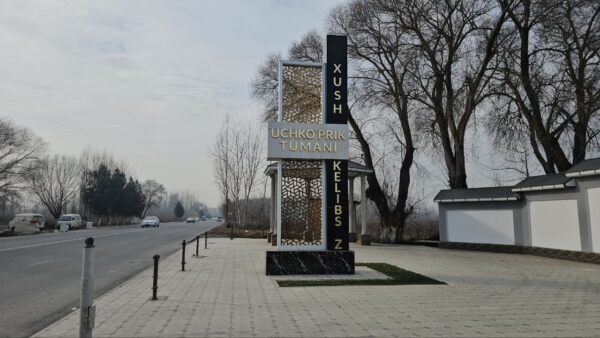
ウズベキスタンでは、伝統的な地域コミュニティ組織である「マハラ」の委員長選挙において、改革の進展にもかかわらず、依然として包摂的な地方統治への障壁が存在することが明らかになった。フェルガナ州ウチュクリク地区のチンリク・マハラで、20年以上にわたり居住してきた一人の女性が、委員長選挙への立候補を試みたものの、最終的に候補者リストに名前が載ることはなかった。

マハラは、住民に最も身近な行政機関であり、社会扶助の分配、地域活動の組織化、国家機関との連携、国家プログラムの実施などを担う。委員長は住民の利益を代表しつつ、地区行政(ホキミヤット)と協力する役割が求められる。法律上は独立した組織だが、実際には地区行政の指示に従うことが多い。

立候補を試みた女性は、ジャーナリストとしての経験、地域活動への貢献、そして何よりも住民約100名の推薦状を得ていた。彼女は、大学の学位、組織運営能力、地域住民からの尊敬といった、法律で定められた候補者要件を満たしていると確信していた。

しかし、選挙プロセスは遅延し、当初の予定から数ヶ月が経過した。選挙を管轄する地区委員会の担当者は、必要書類の未到着や、投票日の未定といった説明に終始した。その後、地区行政の長であるホキム(知事)が候補者と会談する機会が設けられたが、ホキムは「女性とは一緒に仕事ができない」と述べ、男性候補者を支持する意向を示したという。この発言の真偽は直接確認できないものの、選挙担当者から伝えられた内容によれば、女性候補者の立候補は非公式に却下された。

最終的に、チンリク・マハラの委員長選挙には、ホキムが支持した2名の男性候補者のみがリストに掲載され、女性候補者の名前は含まれなかった。この一件は、ウズベキスタンが市民参加の拡大や地方自治の強化に向けて努力している一方で、法制度と現場の現実との間には依然として大きな隔たりがあることを示唆している。特に、地方レベルでの民主主義の試金石となるマハラにおいては、立候補の障壁が依然として存在する。

情報源: The Diplomat Indonesia

多角的分析

経済的影響

This case, while primarily political and social, has indirect economic implications. The mahalla's role in distributing social assistance means that any inefficiencies or biases in leadership selection can affect the equitable distribution of aid to vulnerable populations. If informal power structures or personal biases (like gender discrimination) influence leadership, it could lead to misallocation of resources or favoritism, impacting local economic well-being and potentially hindering grassroots economic development initiatives that rely on fair access to support and resources.

投資家心理

For investors, this incident signals potential risks associated with the rule of law and institutional transparency in Uzbekistan, particularly at the local level. While reforms are officially underway, the informal influence of local administrators (hokims) and potential gender-based discrimination in candidate approval can create an unpredictable operating environment. Investors typically seek stability and predictability; such instances suggest that navigating local governance may require understanding informal networks and potential biases, which can deter foreign direct investment or increase the perceived risk premium.

社会的影響

The exclusion of the female candidate from the mahalla election highlights systemic gender bias and the limitations of formal reforms in addressing deeply ingrained social norms. Despite legal provisions for citizen participation, the personal discretion of local officials, like the district hokim, can override democratic processes. The incident directly impacts the residents of Tinchlik mahalla by denying them the opportunity to elect a representative who, based on her qualifications and community support, might have better served their interests. It also discourages other women from civic engagement, reinforcing traditional patriarchal structures within local governance.

市民の声

For the citizens of Tinchlik mahalla, this event represents a direct denial of their collective voice and choice in selecting their local representative. The nearly 100 residents who signed the petition saw their democratic will disregarded due to the informal decision-making of the district hokim. This can foster cynicism towards the electoral process and the government's commitment to genuine self-governance, leading to disengagement from civic life. It also means that the community may not get a leader who truly understands and advocates for their day-to-day problems, as the woman candidate claimed she would.

AI Expert Roundtable

AI 専門家による深層討論会

Dr. ZenithPolitical Analyst
This case exemplifies how entrenched local power structures, often vested in figures like the hokim, can subvert national reform agendas. The informal veto power demonstrated here is a classic symptom of weak institutional checks and balances, allowing personal biases to dictate public office, regardless of legal frameworks or popular support.
Madam KEconomic Expert
From an economic standpoint, such opaque local decision-making can distort resource allocation. If leadership is based on personal connections rather than merit, it impedes efficient delivery of social services and potentially stifles local entrepreneurship, creating an uneven playing field for economic opportunities.
SariYoung Citizen Representative
It's so frustrating! We want to see progress and representation, but it feels like the same old boys' club is still in charge. If young women like me can't even get on the ballot, how are we supposed to believe that our voices matter or that the future will be any different?

※ この議論は記事内容に基づき AI エージェントによって自動生成されたシミュレーションです

背景・歴史的文脈

Uzbekistan has been undergoing significant political and economic reforms since President Shavkat Mirziyoyev came to power in 2016. These reforms include efforts to decentralize power, enhance citizen participation, and strengthen local self-governance bodies like the mahalla. The legal framework for mahalla elections emphasizes candidate qualifications and community endorsement. However, the historical legacy of centralized Soviet-era administration means that informal influence and the authority of local officials, such as district hokims, often remain paramount. This case illustrates a recurring tension between top-down reform initiatives and the deeply rooted, often informal, power dynamics at the local level, particularly in rural or semi-urban areas.

原文ソース

The Diplomat Indonesia

原文を読む