General articles are free for 24 hours after publish.
Philippines' Universal Healthcare Rollout Delayed by 2-3 Years Due to Facility Gaps
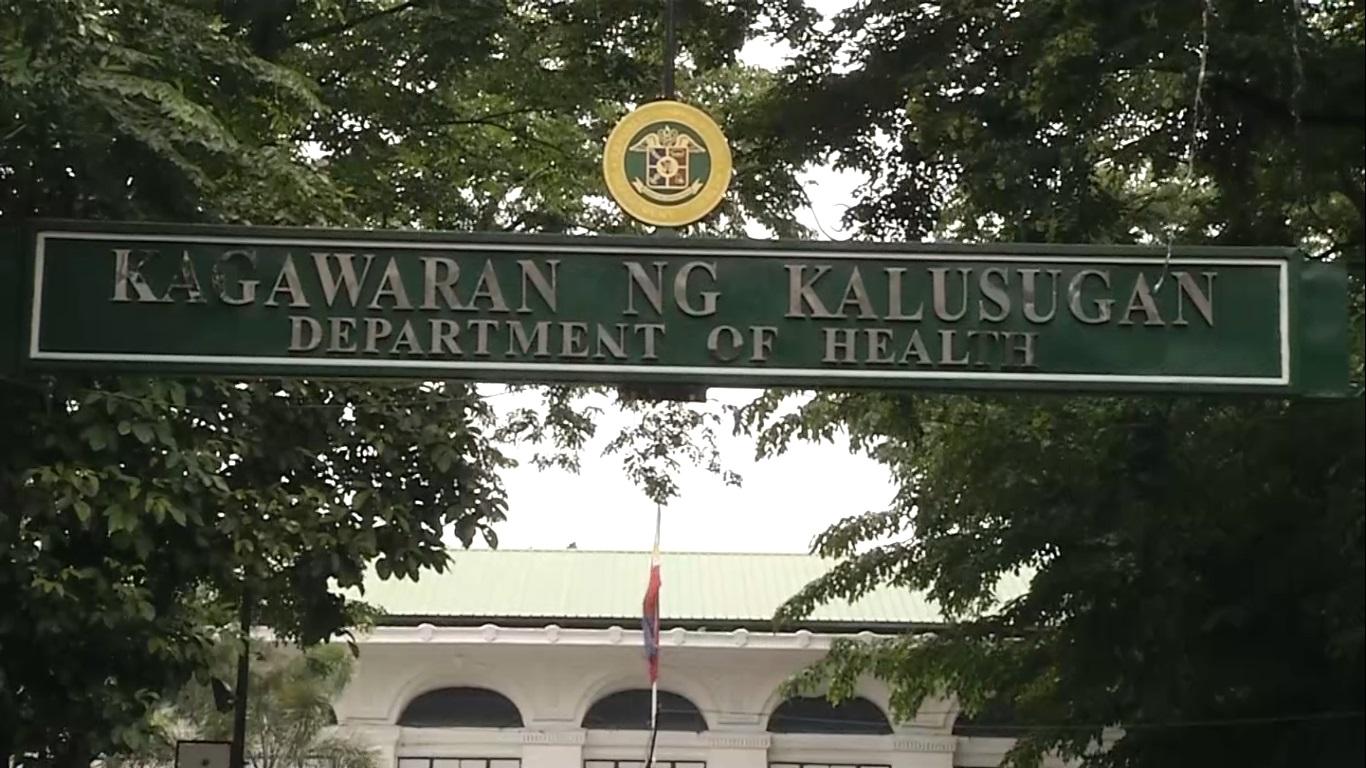
The Philippines' Department of Health (DOH) has admitted that the implementation of the Universal Healthcare (UHC) Law is delayed by two to three years due to the COVID-19 pandemic and ongoing gaps in health facility development. While universal coverage has been achieved in terms of enrollment, challenges remain in providing advanced medical services.
The Department of Health (DOH) on Friday acknowledged that the implementation of the Universal Health Care (UHC) Law had been delayed by two to three years, citing the COVID-19 pandemic and continuing gaps in the country’s health care infrastructure and services. Health Secretary Edwin Mercado made the admission during the Senate Committee on Finance’s hearing on the DOH’s proposed 2027 budget, where Senator Panfilo Lacson questioned the department’s progress in implementing the UHC Law, which was passed in 2019. Lacson noted that under the law’s original timeline, the Philippines was expected to reach the advanced stage of UHC implementation after six years, covering the period from 2020 to 2026. “Medyo nung pong na-launch na, nagkaroon po ng hindi inaasahang COVID, kaya po medyo na-delay yung ating implementation na medyo na-push back ng two to even three years,” Mercado said. (When it was launched, the unexpected COVID-19 pandemic occurred, so our implementation was delayed and pushed back by two to even three years.) Universal coverage achieved, but services remain uneven Mercado said the government had already achieved universal coverage in terms of enrollment, since Filipinos no longer needed to make individual contributions to be covered. However, he said the country still needed to strengthen the capacity of the health system to actually provide the benefits covered by PhilHealth. “Ang kaso po, yung supply side, yung nagbibigay ng mga benepisyo, ’yun pa po yung kailangan nating pagtutuunan, kasi hindi pa rin po equal yung presence ng mga accredited health facilities ng PhilHealth na magbigay, lalo na po yung mga matatataas na uri po ng sakit,” he said. (The issue is on the supply side—the facilities providing the benefits—which we still need to focus on because PhilHealth-accredited health facilities are still unevenly distributed, particularly those capable of treating more serious illnesses.) Mercado cited procedures such as open-heart surgery and organ transplants, which are covered by PhilHealth packages but may not be readily available in some areas because of a lack of capable facilities. He also pointed to differences in the capacity of local government units to finance and manage their respective health systems. DOH targets stronger local health financing Mercado said the DOH was working to strengthen local health systems through a special health fund (SHF) that would allow local chief executives to better plan and allocate their health budgets. He said the DOH’s goal was for local health units and local chief executives to have their own SHFs by 2028, alongside a proper financing analysis to determine how much funding would actually be needed to achieve UHC. “Hindi pa po natin na-achieve. Hindi ko lang po mabibigyan yung actual percentage base po dun sa ating targets,” he said. (We have not achieved it yet. I just cannot give the actual percentage based on our targets.) Out-of-pocket spending down, but still above target DOH data presented during the hearing showed that household out-of-pocket health spending fell to 41.2% of total health expenditure in 2025, from about 55% a decade earlier. PhilHealth’s share, meanwhile, increased from 13.4% to 19.5% in 2025. PhilHealth President and CEO Beverly Ho said the government’s share of total health expenditure had reached 46.5% in 2025, while the DOH was now working toward the Philippine Development Plan target of reducing out-of-pocket spending to 37% by 2028. Lacson, however, questioned the composition of the government’s 46.5% share, noting that it includes spending from the national government, local governments and PhilHealth, among other government health financing sources. He called for a clearer accounting of the different funding sources supporting UHC, including funds earmarked under special laws. The health department is seeking a P353.8-billion allocation in 2027, with the proposed spending plan focused on strengthening hospitals and primary care, improving community health, and advancing the implementation of universal health care. Mercado said the department also wanted greater coordination among agencies within the health sector rather than having them operate in silos. “Ang aking push ay hindi siya silo, dapat mag-usap-usap lahat ng sectors within the agencies within the health sector," he said. (My push is that agencies should not operate in silos; all sectors within the health sector should communicate and coordinate with one another.) He added that the goal was to make the health system fast, fair, and trustworthy. — VBL, GMA News
Original source
GMA News Philippines