Vietnam Lowers Fuel Prices, Sees Upgraded Economic Growth Forecasts
Economy
2026年7月9日
5
VietnamPlus English
Relations
🇻🇳Vietnam🇨🇳China🇸🇬Singapore

Vietnam Lowers Fuel Prices, Sees Upgraded Economic Growth Forecasts

AI サマリー

Vietnam has lowered fuel prices in its latest adjustment. Meanwhile, Singapore's United Overseas Bank (UOB) has raised its 2026 GDP growth forecast for Vietnam to 8.5%, citing strong manufacturing and FDI performance. The Asian Development Bank also projects 7.2% growth.

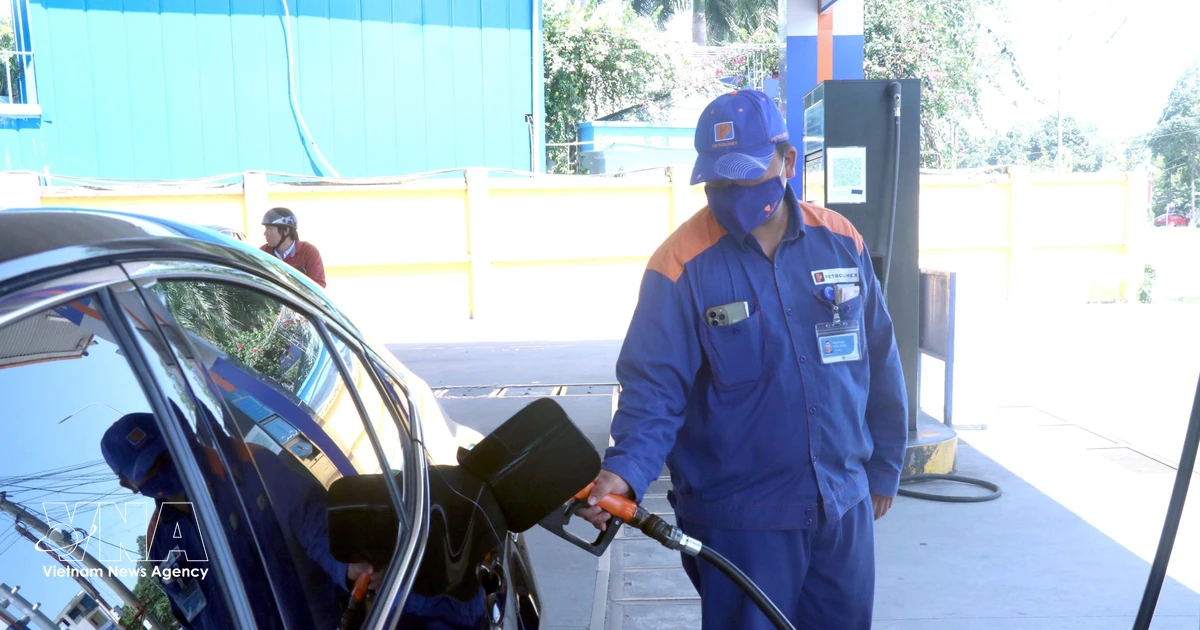
Retail fuel prices were simultaneously reduced from 3:00 PM on May 14 following the latest adjustment by the Ministry of Industry and Trade (MoIT) and the Ministry of Finance, with E5RON92 biofuel recording the sharpest decline. This adjustment is part of efforts to align domestic fuel prices with global market developments and improve price management. Accordingly, the price of E5RON92 biofuel is capped at 21,834 VND (0.83 USD) per litre, down 100 VND, and remaining 1,046 VND lower than RON95-III. The price of RON95-III is set at no more than 22,880 VND per litre, down 162 VND. The publication of the E10RON95-III base price began from this pricing period under Government Resolution No. 29/2026/NQ-CP, as part of efforts to align domestic fuel prices with global market developments and improve price management. Economically, Singapore-based United Overseas Bank (UOB) has sharply raised its forecast for Vietnam's 2026 GDP growth to 8.5%, more than reversing its previous downgrade to 7%, citing stronger-than-expected first-half economic performance driven by manufacturing, investment and foreign direct investment (FDI). The Asian Development Bank (ADB) also maintained its growth forecasts of 7.2% for 2026 and 7.0% for 2027 in its Asian Development Outlook (ADO) July 2026 released on July 8, projecting Vietnam to remain the fastest-growing economy in Southeast Asia. Resolution No. 10-NQ/TW of the Communist Party of Vietnam Central Committee emphasizes building a foreign-invested sector that is closely integrated with the domestic sector to create new growth drivers for the country. Experts say this resolution could become a strategic lever for Vietnam’s sustainable development, but pose major challenges related to infrastructure capacity and environmental standards. The positive FDI performance in the first half of 2026 provides a favourable foundation for Vietnam to realise Resolution No. 10-NQ/TW’s goals. However, to maintain advantages and improve the quality of capital inflows, Vietnam needs not only to improve the investment environment but also develop infrastructure, strengthen domestic enterprises, expand capital markets and promote substantive links between the FDI and domestic sectors. At the local level, Quang Ngai province is deepening ties with the French Development Agency (AFD) and the European Development Fund (EDF), seen as an important step in deepening ties between Quang Ngai and French partners as the province enters a new phase of development. Through broader international cooperation, Quang Ngai aims to attract more capital, technology, management expertise and training resources to advance green industry, clean energy and sustainable infrastructure, strengthen competitiveness and move toward becoming a major industrial, energy and logistics hub in central Vietnam and the country. Furthermore, cooperation agreements have been signed between businesses from Guangxi and Quang Ninh in areas including smart border gate development, logistics infrastructure, trade in agricultural, forestry and fishery products, cross-border cultural tourism, and testing and inspection services, to enhance connectivity between Guangxi's industrial and supply chains and those of Vietnam. Source: VietnamPlus English

多角的分析

経済的影響

ベトナムの燃料価格引き下げは、インフレ抑制と国内消費刺激を狙った一時的な措置と考えられる。しかし、国際原油価格の変動に左右されるため、持続的な効果には限界がある。一方、GDP成長率予測の上方修正は、製造業とFDIの力強さを示しており、ベトナム経済の構造的な底堅さを裏付けている。特に、決議第10-NQ/TWが目指す国内産業との連携強化は、単なる外資誘致から、より質の高い成長への転換を目指すベトナムの経済戦略の核心と言える。

投資家心理

燃料価格の安定化は、輸送コストへの影響を通じて、企業活動の予測可能性を高める可能性がある。しかし、投資家が最も注目するのは、8.5%という高いGDP成長率予測と、それを支える製造業およびFDIの動向である。決議第10-NQ/TWは、国内産業との連携強化を促すことで、サプライチェーンの国内化や技術移転の促進が期待され、長期的な投資リターンに寄与する可能性がある。ただし、インフラ整備や環境基準といった課題への対応が、投資環境のさらなる向上には不可欠である。

社会的影響

燃料価格の引き下げは、ガソリン価格に敏感な一般市民の家計負担を一時的に軽減する効果がある。しかし、ベトナムの一党体制下では、こうした価格調整は政府の政策判断に大きく依存し、市民の生活に直接的な影響を与える。決議第10-NQ/TWが目指す国内産業との連携強化は、雇用創ちや地域経済の活性化につながる可能性があるが、その恩恵が全国民に均等に行き渡るかどうかが課題となる。また、インフラ開発の遅れは、都市部での交通渋滞や地方との格差拡大といった社会問題を引き起こす可能性も否定できない。

市民の声

燃料価格が下がったことは、日々の生活費を少しでも抑えたい私たちにとってありがたいニュースです。特に、バイクでの移動が多いベトナムでは、ガソリン代は家計を圧迫する大きな要因の一つですから。でも、これは一時的なものなのか、それともずっとこのままなのか、少し不安もあります。経済成長が続いているというのは良いことですが、その恩恵が私たちの生活にどれだけ実感できる形で届くのか、それが一番気になるところです。特に地方では、インフラの整備が遅れている地域もあると聞きますし、都市部との格差が広がらないか心配です。

背景・歴史的文脈

ベトナムは、ドイモイ政策以降、市場経済化を進め、外国からの投資を積極的に誘致してきた。特に中国との経済的結びつきが強い中で、近年は地政学的なリスク分散やサプライチェーンの多様化を背景に、外国直接投資(FDI)が製造業を中心に拡大している。政府は、外国投資と国内産業の連携強化を掲げる決議第10-NQ/TWを打ち出し、単なる外資依存から脱却し、より質の高い持続的な経済成長を目指す戦略を推進している。燃料価格の調整は、インフレ抑制と経済の安定化を図るための政策手段として、これまでも頻繁に実施されてきた。

原文ソース

VietnamPlus English

原文を読む