Bali's Melukat Ritual: Spiritual Practice or Tourist Commodity?
Bali's ancient Melukat purification ritual is facing concerns over the potential loss of its spiritual significance due to rising tourism. The commodification of this religious practice for visitors raises questions about its cultural sustainability.
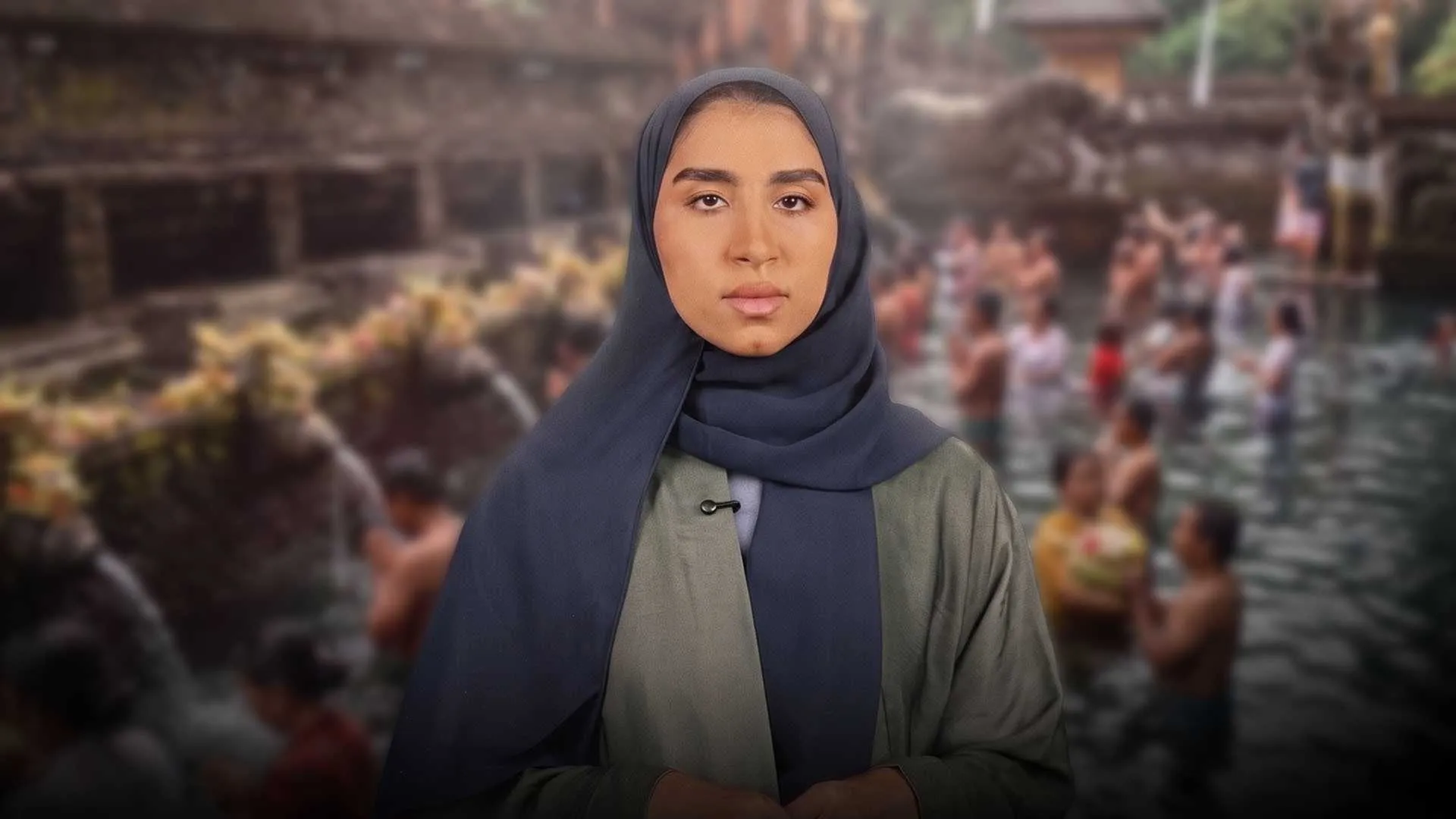
As the world grapples with chaos, many travelers are seeking healing experiences during their summer holidays. Daily, hundreds are participating in Melukat, an ancient Balinese purification ritual. However, questions are arising about whether the ceremony's cultural and spiritual significance is at risk from overtourism. Melukat is a Hindu ritual aimed at cleansing impurities of the body and mind, and restoring spiritual balance. It is typically performed at temples or sacred springs, with the participation of devotees and their families. In recent years, it has gained popularity among international tourists as 'spiritual tourism,' leading many tour operators to offer Melukat experiences as part of their packages. Experts knowledgeable about Balinese traditional culture and religion have voiced concerns over this trend. They point out that Melukat is fundamentally a personal act of faith and spiritual purification, requiring strict adherence to customs and a respectful demeanor. The concern is that its commodification as a tourist attraction could dilute its sacredness and original meaning. Furthermore, the surge in participants is placing a strain on the sites where the rituals are conducted. Sacred springs and temples, bustling with numerous tourists, risk losing their tranquil, meditative atmosphere, and environmental impacts are also a concern. The Bali provincial government and local communities are exploring measures to balance the preservation of cultural heritage with tourism development, though the path forward is challenging. For Melukat to be passed down to future generations while retaining its spiritual depth, rather than becoming merely a tourist highlight, understanding and consideration from both tourists and the local community are essential.
多角的分析
メルカット儀式の観光商品化は、バリ経済にとって新たな収益源となり得ます。しかし、その経済的恩恵が地域住民全体に均等に分配されるか、あるいは一部のツアー事業者やホテルに集中するかが課題です。また、文化遺産を過度に商業化することは、長期的な観光資源の枯渇や、地域経済の不安定化を招くリスクも孕んでいます。持続可能な観光モデルの構築が求められます。
メルカット儀式の人気上昇は、バリ島におけるウェルネスツーリズムやスピリチュアルツーリズム関連の投資機会を示唆しています。これには、ヨガリトリート、瞑想センター、自然療法施設などが含まれます。しかし、投資家は、文化的な感受性、地域社会との関係、そして観光客の需要の持続性といったリスク要因を慎重に評価する必要があります。過度な商業化は、ブランドイメージを損ない、長期的な投資リターンに悪影響を与える可能性があります。
メルカット儀式の観光客による利用増加は、バリの伝統的なコミュニティと外部からの訪問者との間に摩擦を生む可能性があります。本来、地域住民が静かに精神性を追求する場が、騒がしく、時に無配慮な観光客で溢れることで、彼らの日常生活や信仰のあり方に影響を与えかねません。また、儀式の担い手であるプリアンガン(バリの村落制度)の役割や、儀式を本来の形で行うための地域社会の統制力が試されています。
バリ島民の日常生活において、メルカット儀式の観光客による利用は、聖なる場所へのアクセスや静穏の維持という点で影響を受けています。本来、地域住民が身近な場所で精神的な癒やしを得ていた空間が、混雑し、騒がしくなることで、その恩恵を受けにくくなっています。また、儀式が商業化されることで、伝統的な価値観や信仰のあり方に対する疑問や戸惑いを感じる住民もいると考えられます。
背景・歴史的文脈
バリ島のメルカット儀式は、数世紀にわたり、ヒンドゥー教徒が精神的な浄化と自己再生のために行ってきた伝統的な慣習です。本来、地域社会の信仰生活に深く根ざし、特定の寺院や聖なる泉で行われてきました。20世紀後半以降、バリ島が国際的な観光地として脚光を浴びるにつれて、海外からの旅行者がこの儀式に興味を持つようになりました。特に近年、スピリチュアル・ツーリズムの隆盛とともに、メルカットは「体験型アクティビティ」としてパッケージツアーに組み込まれることが増え、その本来の宗教的・精神的な文脈が希薄化する傾向が見られます。
原文ソース
Al Jazeera Indonesia