VP Sara Duterte faces 92-day impeachment trial starting July 6
The Senate impeachment court has approved a 92-day trial for Vice President Sara Duterte, set to begin on July 6. The prosecution plans to call 57 witnesses, while the defense will present 45.
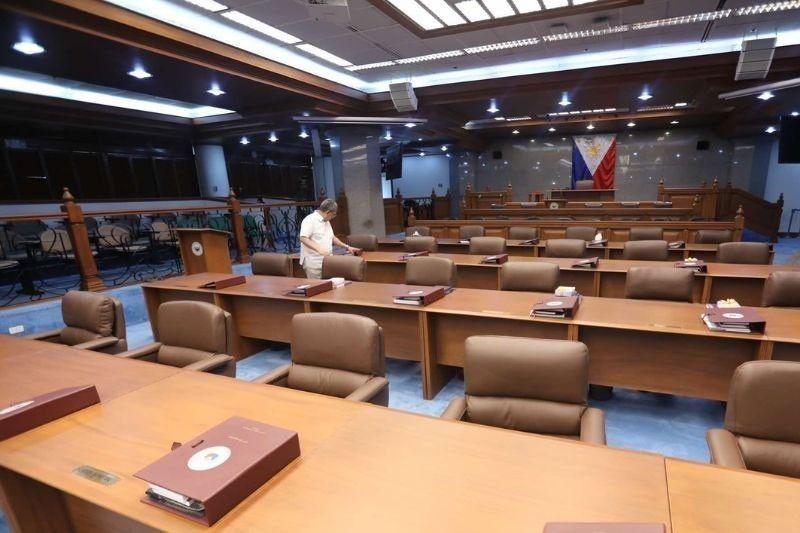
MANILA, Philippines — The Senate impeachment court has approved a 92-day trial for Vice President Sara Duterte commencing on July 6. The approved trial period – contained in the 14-page Pre-Trial Order signed by Senate President Sherwin Gatchalian on June 29 – is much shorter than the previous estimate of seven to eight months. Based on the order, a copy of which was obtained by The STAR, 62 trial dates have been set for House prosecutors and 30 for the Vice President’s defense team. The trial convenes at 2 p.m. on Mondays, Tuesdays and Wednesdays until July 28 – a day after President Marcos delivers his fifth State of the Nation Address – with a slightly revised schedule: 3 p.m. during Tuesdays, Wednesdays and Thursdays. In total, the prosecution has 57 witnesses, while the defense has 45. The witnesses will testify under a strict One-Day Examination Rule, meaning their testimonies must be completed on their scheduled date unless the court grants an extension for good cause. The impeachment court also approved a four-stage timeline requested by the prosecution panel led by Rep. Gerville Luistro. The issue on grave threats and assassination plot made by Duterte during a press conference will have 11 trial dates, while the one on the misuse of confidential funds will have 31 trial dates. DepEd corruption will cover eight trial dates and unexplained wealth, 12 trial dates. Senators from the minority bloc led by Sen. Alan Peter Cayetano, meanwhile, are again appealing to the Supreme Court (SC) to invalidate the Senate plenary session last June 3 that saw his ouster as Senate president. With less than a week before the start of the trial, House prosecutors have warned the Senate against prematurely dismissing the impeachment case, arguing that short-circuiting the trial would deny the Filipino public the right to hear the evidence. “It’s already an established fact that under the Constitution, the Senate’s mandate is to try and decide, meaning to say there has to be a time for the proper trial to be conducted and for the evaluation of the evidence and the testimony of the witnesses for both panels to cross-examine,” House trial spokesman and Lanao del Sur Rep. Zia Alonto Adiong Adiong said yesterday. “It’s not exactly in the Constitution that the Senate can dismiss outright the case or the Articles of Impeachment.” On June 1, Duterte’s legal team submitted its formal answer to allegations against Duterte, actively urging the impeachment court to dismiss them. In her defense, the Vice President primarily invoked freedom of expression, bank secrecy laws and an alleged lack of evidence. Adiong criticized the Vice President’s response as “a recycled narrative” that relied heavily on procedural objections rather than on substantive issues. Addressing Duterte’s claim that her remarks regarding an assassination plot were a protected political expression, Adiong said: “I don’t think opinion and threat are the same.” “One conviction in one article is sufficient enough for the Vice President to be automatically removed from office,” he pointed out. — Bella Cariaso, Ghio Ong
多角的分析
弾劾裁判の長期化は、副大統領の職務遂行能力への懸念から、国内投資の停滞や海外からの直接投資(FDI)の減少を招く可能性がある。特に、機密資金の不正使用や説明不能な資産といった経済的疑惑は、透明性への疑念を深め、フィリピン経済の安定性に対する投資家の信頼を損なう要因となりうる。
この裁判は、フィリピンの政治的安定性に対する投資家の懸念を煽るだろう。特に、副大統領の職務遂行能力や政策決定への影響が不透明になることで、短期的な市場のボラティリティが増大する可能性がある。長期的な視点では、裁判の結果が法制度への信頼を左右し、将来の投資判断に影響を与えるだろう。
副大統領に対する弾劾裁判は、国民の政治への関心を高める一方で、社会の分断を深める可能性もある。特に、言及されている「暗殺計画」や「重大な脅迫」といった発言は、国民の間に不安や憶測を広げ、公共の安全に対する懸念を引き起こす可能性がある。また、裁判の進行と結果は、国民の正義と説明責任への期待に直接影響を与える。
副大統領の弾劾裁判は、マニラ首都圏の市民にとっては、日々の生活への直接的な影響は少ないかもしれないが、政治への関心を高めるきっかけとなる。しかし、裁判で争点となっている「機密資金の不正使用」や「説明不能な資産」といった疑惑は、国民が税金の使い方や公職者の倫理について疑問を抱く原因となりうる。特に、若年層はSNSを通じて情報に触れる機会が多く、裁判の進展や論争に敏感に反応する可能性がある。
背景・歴史的文脈
フィリピンにおける弾劾手続きは、憲法で定められた大統領、副大統領、最高裁判事、汚職防止委員会委員、最高監査院長などの高官に対する罷免・処罰の手段である。過去には、ジョセフ・エストラーダ大統領(2001年)やレナト・コロナ最高裁判事長官(2012年)が弾劾手続きに直面し、それぞれ辞任や罷免に至った。これらの事例は、フィリピンの政治がしばしば激しい権力闘争の舞台となることを示しており、弾劾は政争の具として利用される側面も持つ。今回の副大統領に対する弾劾裁判は、現政権と野党勢力との間の政治的緊張関係を反映していると考えられる。
原文ソース
Philstar Nation