General articles are free for 24 hours after publish.
Why Northern and Central Vietnam Are Experiencing Prolonged Rainfall
Prolonged heavy rainfall in northern and central Vietnam is attributed to a tropical convergence zone coupled with a tropical depression and continuous moisture from the East Sea. Rapid urbanization, coupled with underdeveloped drainage infrastructure, is exacerbating flood risks.
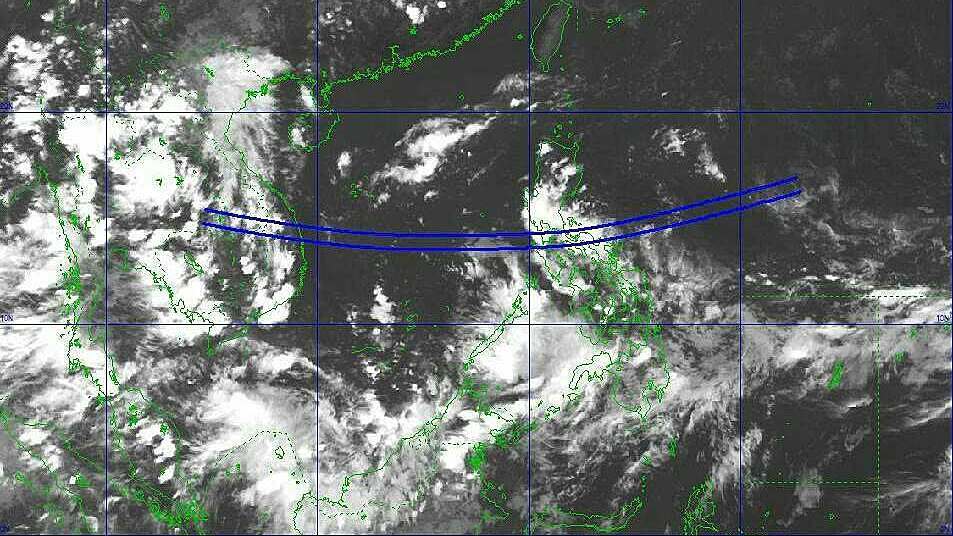
Prolonged heavy rainfall has been affecting northern and central Vietnam, a phenomenon attributed to a tropical convergence zone combined with a tropical depression and continuous moisture supply from the East Sea. This persistent weather pattern has led to significant flooding in affected areas. According to Dr. Truong Ba Kien, Deputy Director of the Center for Meteorology-Climate Research at the Institute of Meteorology, Hydrology, Environment and Sea Science, the axis of the tropical convergence zone (ITCZ) passed through the central region around September 12-13, with a tropical depression forming on this zone. This system generated a strong convergence of wind and moisture, causing heavy rain in the Da Nang - Hue area, with the rain's focus later shifting to Ha Tinh, Nghe An, and Thanh Hoa provinces. After the tropical depression weakened and dissipated on September 13, its remaining circulation maintained a large humid area, allowing rain to continue in the North Central region. From approximately September 14 to 16, the ITCZ axis gradually shifted northward, drawing the rain band from the North Central region to the northern plains, southern midlands of the North, and Hanoi. Particularly on September 15-16, the ITCZ was almost stationary over the North. "When moisture from the sea is continuously supplied while the convergence zone moves little, rain clouds have the conditions to form and redevelop multiple times over the same area. Therefore, the rain does not just occur for a few hours but lasts continuously for many days," explained Dr. Kien. Additionally, during this period, the east-southeast wind continuously transported a large amount of moisture from the Tonkin Gulf into the northern plains. This moisture layer, potentially several thousand meters thick, facilitated the development of convective clouds. In Hanoi specifically, continuous rain on the nights of September 16 and the morning of September 17 led to more pronounced widespread flooding. The drainage system has been overwhelmed by the large volume of water accumulated over several preceding days. From the morning of September 14 to 9 AM on September 17, the total rainfall in many areas of Hanoi exceeded 400-500 mm, with Yen So recording 570 mm, Hai Ba Trung 550 mm, Cau Giay 439 mm, Thanh Liet 435 mm, Van Mieu - Quoc Tu Giam 421 mm, Tu Liem 414.3 mm, Yen Nghia 411 mm, and Hoan Kiem 404 mm. With prolonged rainfall, the canals, ditches, regulating lakes, and drainage lines have had to operate continuously. However, with already high water levels, their capacity for storage and regulation has been significantly reduced. The Nhue River at Ha Dong bridge has exceeded alarm level 2, while the Tich and Bui rivers have both surpassed alarm level 3. High water levels in these drainage sources have limited natural drainage, slowing down water recession. "Although the rainfall intensity at specific times is not always exceptionally high, continuous rain leads to immense accumulated water volume, and the receiving water bodies are already at high levels, causing water to recede very slowly," stated Dr. Kien. Besides meteorological factors, rapid urbanization, coupled with underdeveloped drainage infrastructure, regulating lakes, and water storage spaces in some areas, also increases the risk of flooding. According to the National Center for Hydro-Meteorological Forecasting, on the day of the report, Ninh Binh, Thanh Hoa, Nghe An, and southern Phu Tho provinces were expected to receive 50-90 mm of rain, with local amounts exceeding 150 mm. Hanoi, southern Lao Cai, Son La, Tuyen Quang, Thai Nguyen, northern Phu Tho, and Bac Ninh were forecast to receive 30-60 mm, with localized amounts over 100 mm. From September 18 onwards, heavy rainfall in the northern region is expected to gradually decrease. However, the area from Thanh Hoa to northern Quang Tri will continue to experience widespread rain of 20-50 mm, with local amounts exceeding 100 mm. Subsequently, widespread heavy rain will diminish, leaving only localized thunderstorms. Source: VnExpress
Original source
VnExpress