Hue's Culinary Delights: A Food Tour Under $8
A culinary journey through Vietnam's central city of Hue allows visitors to savor traditional street food for under $8. This tour highlights local favorites like Bun Bo Hue and Banh Beo, offering an authentic taste of the region.
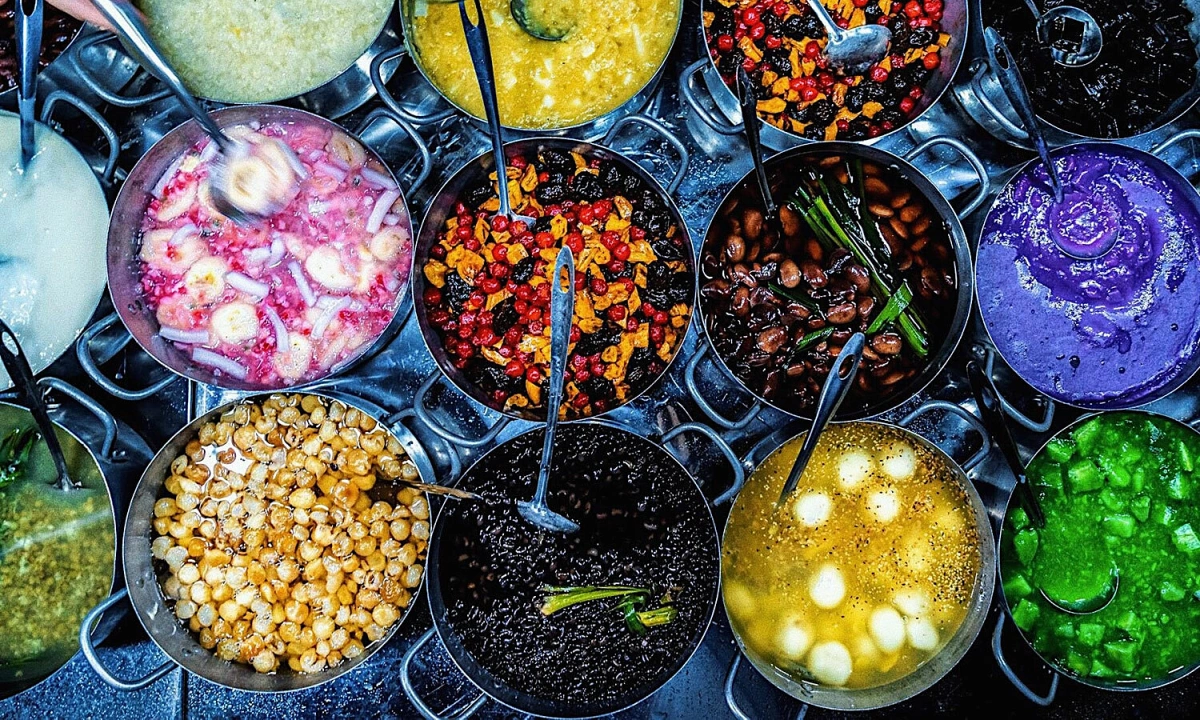
Hue, the former imperial capital in central Vietnam, offers a rich culinary landscape that can be explored on a budget. According to VnExpress International, a food tour encompassing six signature local dishes can be completed for under $8 (approximately VND190,000-VND200,000). The tour begins with Bun bo Hue, the city's most iconic dish. This spicy beef noodle soup features a broth flavored with lemongrass and fermented shrimp paste, served with beef, pork knuckle, pork sausage, and herbs. Chili oil adds a kick that balances the broth's sweetness. A bowl costs from VND45,000 ($1.70), with recommended spots including Bun Bo Mu Roi at 40 Nguyen Chi Dieu Street, Bun Bo Ba Nga at 62 Nguyen Chi Dieu Street, and Bun Bo Hanh at 69 Dang Van Ngu Street. Next is Banh beo, steamed rice cakes served in small cups, topped with dried shrimp, pork rinds, and fried shallots, accompanied by fish sauce. The flavor profile is a delightful mix of salty and sweet. A serving ranges from VND25,000 to VND35,000 ($0.95-$1.30), with Banh Beo O Lan at 17 Chua Ong Street and Banh Chi at 52 Le Viet Luong Street being popular choices. Nem lui, grilled pork skewers, involves minced pork grilled over charcoal, wrapped in rice paper with herbs, and dipped in a peanut sauce. Four to five skewers are typically priced around VND40,000 ($1.50) and are filling enough for a meal. Stalls on Dao Duy Tu, Dinh Tien Hoang, Dien Bien Phu, and Truong Chinh streets, as well as around An Cuu Market, are good places to find them. Banh ep, a Hue-style crepe, is a snack best enjoyed in the afternoon. Rice flour sheets are pressed with egg, meat, or pate, served with herbs, pickles, and fish sauce. The crepe offers a chewy interior with crisp edges. Portions of two to three pieces start at around VND30,000 ($1.15), available at stalls on Le Ngo Cat, Mac Dinh Chi, and Truong Chinh streets. Com hen, or clam rice, consists of rice mixed with stir-fried clams, greens, banana blossoms, peanuts, and pork rinds, served with a side of clam broth. This dish creates layers of spicy, salty, and nutty flavors. Many shops also offer noodle or porridge versions. A bowl costs VND20,000-VND25,000 ($0.75-$0.95), with Com Hen Hoa Dong at number 64, Alley 7, Ung Binh Street being a notable establishment, and stalls around the Han Mac Tu area also recommended. Finally, Che Hue, Hue's sweet soups, offer a sweet conclusion. Varieties include lotus seed, purple sweet potato, and tapioca filled with roasted pork. A cup is priced at VND15,000-VND20,000 ($0.60-$0.75) and shops become busy from late afternoon onward. Recommended spots include Che Cam at 10 Nguyen Sinh Cung Street, Che Mo Ton Dich at 3/3 Dinh Tien Hoang Street, and Che Hem at number 1, Alley 29, Hung Vuong Street. Most of these eateries are located within one to three kilometers of each other in central Hue, making them easily accessible by motorbike or on foot. This culinary exploration not only showcases Vietnam's diverse food culture but also highlights the vibrant local economy that supports it.
多角的分析
フエの食文化は、観光客だけでなく地元住民にとっても重要な経済活動の一部を形成しています。8ドル以下という低価格帯で多様な料理を提供する屋台や小規模店は、地域経済の活性化に貢献し、雇用創ちを生み出しています。これは、ベトナム経済が一般消費財やサービスへの支出に支えられている構造を示唆しており、特に地方都市における内需主導型の成長モデルの一端を垣間見せます。また、これらの食体験は、ベトナムの観光戦略においても重要な要素であり、外国人観光客の誘致と消費拡大に寄与しています。
このニュースは、直接的な投資機会を示すものではありませんが、ベトナムの消費市場の底堅さと、特に地方における手頃な価格帯のサービスへの需要の存在を示唆しています。投資家は、この種のローカル消費トレンドを、より広範なベトナムの消費者向けビジネス、例えば食品小売、外食産業、または関連サプライチェーンへの投資機会を探る上での参考情報として捉えることができます。特に、観光客と地元住民の両方にアピールできるビジネスモデルは、安定した収益源となり得ます。
フエの食文化は、単なる栄養摂取を超え、地域住民の生活様式やコミュニティの形成に深く根ざしています。ブンボーフエやチェーフエといった料理は、家族や友人との集まり、日常の食事において重要な役割を果たしており、世代を超えて受け継がれる食の伝統を育んでいます。また、これらの手頃な価格の飲食店は、所得水準に関わらず、誰もが質の高い食体験を享受できる機会を提供しており、社会的な包摂性を高める側面も持ち合わせています。観光客がこれらのローカルな食体験を求めることは、異文化理解と交流を促進する場ともなり得ます。
ベトナム国民、特にフエ市民にとって、これらの料理は日常の一部であり、誇りでもあります。ブンボーフエは、家庭の味や故郷の象徴として、多くの人々に愛されています。8ドル以下でこれほど多様な地元の味を楽しめることは、生活費の負担を抑えつつ、食の楽しみを享受できるという点で、市民生活の質を高める要因となっています。また、これらの屋台や小規模店は、地域住民にとって手軽に利用できる飲食店であり、コミュニティの交流の場としても機能しています。
背景・歴史的文脈
ベトナムは、1986年のドイモイ(刷新)政策以降、市場経済化を進め、急速な経済成長を遂げてきました。特に、製造業と輸出に牽引される形で、都市部を中心に経済発展が進展しましたが、地方経済の活性化と国民生活の向上は依然として重要な課題です。フエのような歴史的・文化的に豊かな地方都市では、観光業と地域固有の食文化を経済成長の柱として活用する戦略が取られています。これらのB級グルメは、単なる安価な食事ではなく、ベトナムの食文化の多様性と、それを支えるローカル経済の活力を象徴するものです。手頃な価格で提供されることで、観光客だけでなく地元住民の消費も喚起し、地域経済の持続的な発展に貢献しています。
原文ソース
VnExpress International