General articles are free for 24 hours after publish.
Philippines to conduct nationwide active shooter drill in schools
The Department of Education (DepEd) in the Philippines will conduct a nationwide school safety drill on September 3, simulating responses to active shooter scenarios. The drill will exclude fear-inducing elements after consultations with medical groups, prioritizing psychological well-being.
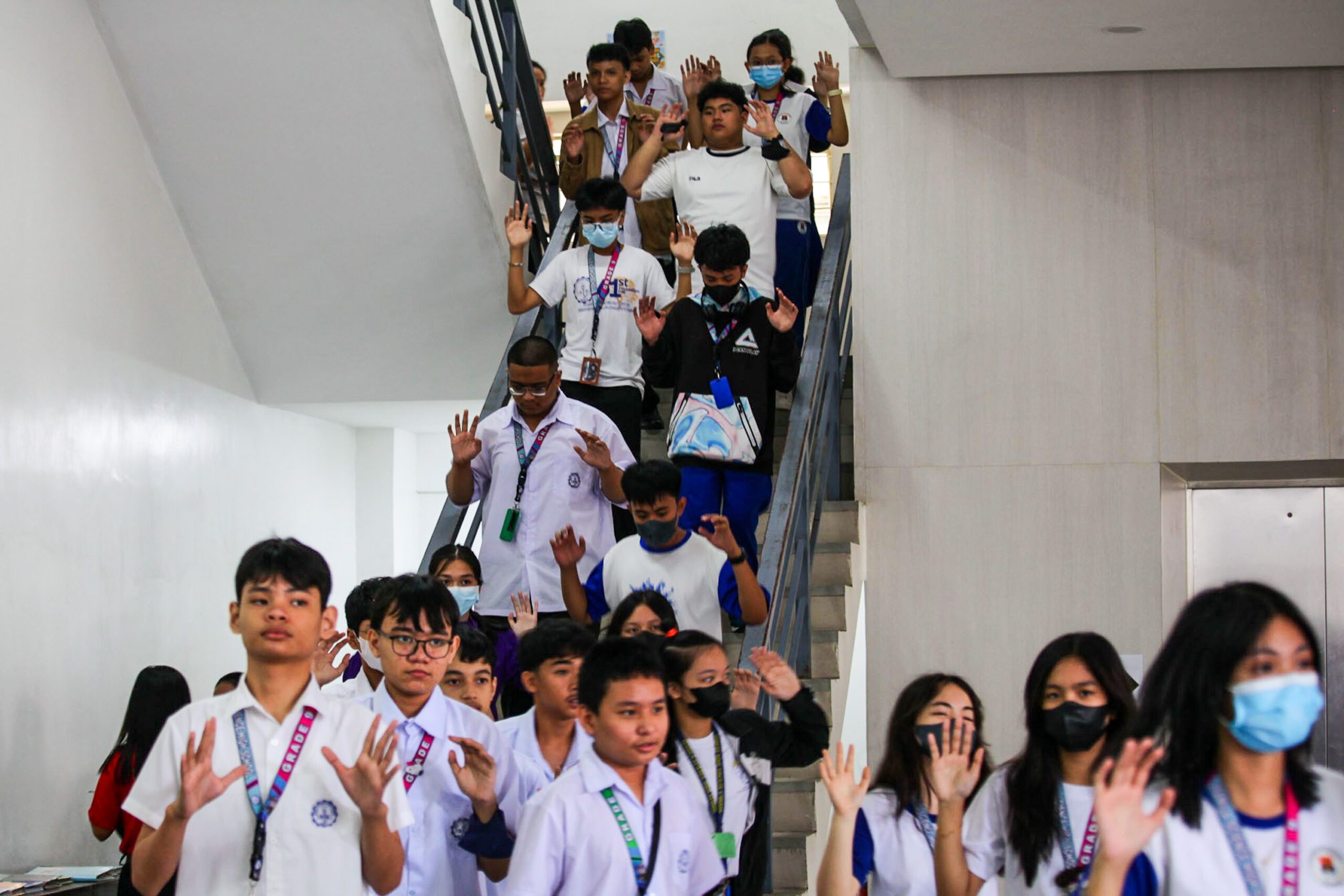
Public and private schools across the Philippines are set to participate in a nationwide active shooter drill organized by the Department of Education (DepEd) on Thursday, September 3. This drill simulates crisis response to active threat scenarios, specifically active shooting incidents. The exercise, originally scheduled for August 25, was postponed after medical groups raised concerns about potential psychological harm to students and provided recommendations. DepEd stated it has engaged with experts to ensure safety protocols align with child-centered, trauma-informed standards under the 'Do No Harm' directive. According to a memorandum from Undersecretary Malcolm Garma, schools will conduct capacity-building training for teachers and age-appropriate orientations for students prior to the drill. Schools are also required to perform safety and security audits, develop localized contingency plans, identify safe lockdown and evacuation areas, and establish contact with authorities. Schools that have experienced fatal shootings, such as San Jose National High School in Tacloban City and Ateneo de Zamboanga University in Zamboanga City, will not conduct the drill on Thursday. Advance notice will be given to students, parents, and school staff. Informed written parental consent and student assent are mandatory for participation. Alternative safe activities will be provided for students requiring additional safeguards or whose parents have requested specific accommodations. Experts have advised against surprise drills, emphasizing trauma-informed approaches, in contrast to unannounced drills for fire or earthquake readiness. The drill will involve classroom discussions on crisis response. Step-by-step walkthroughs will cover identifying escape routes, safe hiding areas, and room securing methods. Students will be familiarized with distinct alarms for this drill and protocols for evacuation and reunification. DepEd has strictly banned "hyperrealistic or fear-inducing elements," including threat simulations, active aggressor role-players, imitation weapons, and graphic elements like simulated gunfire or artificial casualties. Children will not be instructed to stop an attacker. The drill will proceed in three phases: Drill initiation and alarm; Classroom lockdown and concealment; and Orderly evacuation and responder compliance posture. The latter involves students and staff raising empty hands, moving calmly, and following commands. Police involvement is limited to external perimeter security, testing emergency notification systems, and assessing dispatch response times. Police officers are prohibited from exposing learners to tactical disarming drills or aggressive uniform displays. Post-drill, designated guidance personnel and health officers will provide psychological first aid and debriefing sessions. Referral arrangements for students needing specialized mental health care will be in place. Schools must also conduct an immediate review with an external evaluator. Education Secretary Sonny Angara stated the drill aims to "build calm operational confidence and muscle memory through proper orientation, not fear," emphasizing that school safety policies must prioritize physical security and mental health equally.
Original source
Rappler Philippines