Cambodian Senate Vice-President Warns Against Unilateral Border Changes
Cambodia's First Vice-President of the Senate, Ouch Borith, warned at an international conference in Cameroon that no country should alter its borders by force or 'fait accompli,' emphasizing its necessity for international law and peace, and expressing concern over the border situation with Thailand.
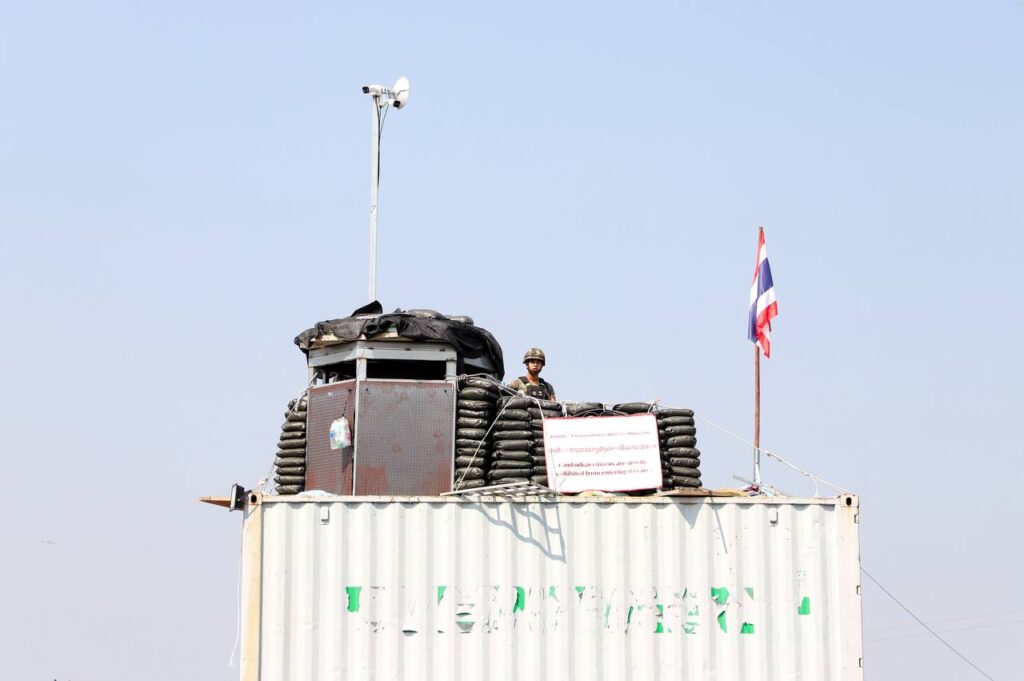
Cambodia’s First Vice‑President of the Senate Ouch Borith warned that no country’s borders should be altered unilaterally through force or by creating a “fait accompli,” stressing the principle was essential to safeguarding international law and lasting peace. Speaking at the Parliamentary Assembly of the Francophonie (APF) Executive Committee in Cameroon on July 7, Borith said the challenge extended beyond Cambodia, underscoring the need to defend sovereign equality and the credibility of international law. “Defending this principle is essential to preserving the foundation of a just and lasting peace,” he told delegates. Borith, who heads Cambodia’s parliamentary delegation and serves as one of the APF’s vice‑presidents, thanked members of the Political Committee for their support following a May visit to Siem Reap. He said delegates had witnessed destruction, evidence of serious violations and the suffering of displaced civilians, prompting the committee to adopt a resolution reaffirming Cambodia’s sovereignty and territorial integrity. “This gesture of confidence and responsibility deeply moved us and strengthened our determination to pursue the settlement of disputes exclusively through peaceful means,” he said. Addressing the assembly, Borith stressed that peace depended on dialogue conducted in good faith, patience, respect for commitments and adherence to international law. He urged APF members to continue monitoring what he described as a deteriorating situation along Cambodia’s western border. Referring to the ceasefire signed on December 27, 2025 through regional mediation, he said Cambodia had honoured all commitments and consistently pursued restraint. But he alleged Thai forces had continued unilateral activities in areas Phnom Penh regards as its sovereign territory, including land clearing, installing barriers, reinforcing military positions and holding religious ceremonies at temples claimed by Cambodia. He said Cambodia had lodged repeated protests, insisting disputes must be resolved peacefully through dialogue and respect for international law.
多角的分析
カンボジア経済は、特にインフラ開発や外国投資への依存度が高い。国境紛争の長期化や緊張の高まりは、投資家のリスク認識を高め、直接投資や観光収入に悪影響を与える可能性がある。特に、タイとの国境地域におけるインフラ開発プロジェクトや貿易ルートの安全性に対する懸念が生じ、経済成長の鈍化を招く恐れがある。カンボジア政府は、経済発展のためにも、近隣諸国との安定した関係維持と、国際法に基づく紛争解決メカニズムの遵守を重視する必要がある。
投資家にとって、国境紛争や地政学的な不安定さは、直接的な投資リスクとなる。特に、カンボジアとタイのような隣国間の緊張は、サプライチェーンの混乱、物流コストの増加、および現地での事業運営における不確実性を増大させる。投資家は、政治的リスク評価をさらに厳格に行い、紛争地域から離れた安全な投資先を模索する傾向が強まるだろう。カンボジア政府が、透明性のある法制度と安定した政治環境を保証できるかどうかが、今後の投資誘致の鍵となる。
国境付近での軍事的活動や領土紛争は、地域住民の生活に直接的な影響を与える。土地の開墾や障壁の設置は、農民の耕作地へのアクセスを妨げ、生計を脅かす可能性がある。また、宗教施設や文化遺産を巡る争いは、地域社会の感情的な対立を深め、民族間の緊張を高める恐れがある。避難民の増加は、社会インフラへの負荷を増大させ、人道的な問題を引き起こす可能性がある。カンボジア市民は、平和的な紛争解決と、自国の領土保全が、生活の安定と安全に直結することを強く願っている。
カンボジア市民、特に国境付近に住む人々にとって、国境の安定は生活の基盤そのものである。土地の利用、移動の自由、そして安全な生活環境は、領土紛争の直接的な影響を受ける。タイ軍による一方的な活動とされる行為は、彼らの日常的な生活に不安をもたらし、過去の紛争の記憶を呼び覚ます可能性がある。政府には、市民の安全を最優先し、国際社会と連携しながら、平和的かつ外交的な解決策を模索することが求められている。SNSなどを通じて、市民の声が政府の対応に影響を与える可能性もある。
背景・歴史的文脈
カンボジアとタイの国境問題は、特にプレア・ビヒア寺院周辺など、長年にわたり複雑な歴史的背景を持つ。1962年の国際司法裁判所(ICJ)判決は、寺院とその周辺地域がカンボジア領であることを確認したが、国境線の確定作業は一部で遅延や摩擦を生じさせてきた。2008年にはプレア・ビヒア寺院の世界遺産登録を巡って両国間で緊張が高まり、武力衝突も発生した。今回のボリス副議長の懸念は、こうした過去の経緯を踏まえ、未確定または係争中の国境地域における一方的な現状変更の試みに対して、国際法に基づいた平和的解決を強く求めるカンボジアの立場を改めて表明したものと考えられる。
原文ソース
Kampuchea Thmey English