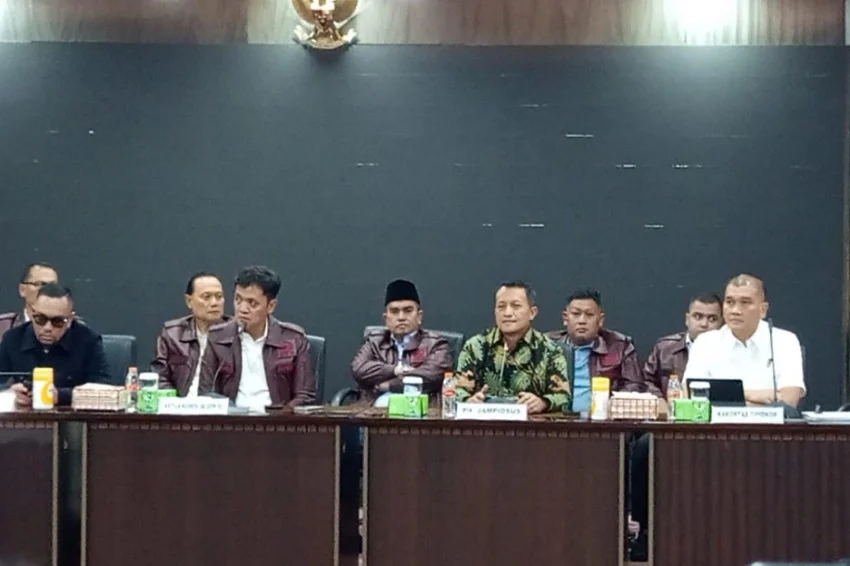
Indonesian Police Transfer 3 Corruption Cases to Attorney General's Office
Indonesia's National Police's Special Directorate for Corruption and Criminal Acts Investigation (Kortas Tipidkor Polri) has transferred three corruption cases to the Attorney General's Office (Kejagung), highlighting the nation's ongoing efforts to combat graft.
Indonesia's National Police's Special Directorate for Corruption and Criminal Acts Investigation (Kortas Tipidkor Polri) has announced the transfer of three corruption cases to the Attorney General's Office (Kejagung). This move is seen as part of the nation's ongoing commitment to combating corruption. The transfer signifies enhanced cooperation between law enforcement agencies in the investigation and prosecution of corruption cases. Corruption has long been identified as a hindrance to socio-economic development in Indonesia, and the government has prioritized its prevention and eradication as a key policy objective. Kortas Tipidkor Polri is responsible for investigating corruption-related offenses within the National Police, and by handing over its findings to the Attorney General's Office, it facilitates the transition to judicial proceedings. The Attorney General's Office will then assess the transferred cases to determine prosecution and prepare for trial. Indonesia's anti-corruption efforts have garnered international attention, and this latest transfer underscores the continued efforts to enhance transparency and accountability within the country. The progression of these investigations and subsequent judicial decisions are anticipated with interest. Source: Sindonews
多角的分析
汚職事件の送致は、インドネシア経済における透明性と信頼性の向上に寄与する可能性がある。汚職は、投資リスクを高め、公正な競争を阻害する要因となるため、その撲滅は国内外からの投資を呼び込み、持続的な経済成長を促進する上で不可欠である。特に、公共調達やインフラ開発における汚職は、プロジェクトの遅延やコスト超過を招き、経済効率を低下させるため、今回の措置はこれらの分野への信頼回復に繋がることが期待される。
投資家にとって、汚職事件の捜査・送致は、インドネシアにおける法執行の厳格化と、ビジネス環境の改善に向けた前向きな兆候と捉えられる。汚職が蔓延する国では、予期せぬコストや遅延、さらには法的なリスクが増大するため、投資家は慎重になる傾向がある。今回の措置により、汚職による不確実性が低減され、より予測可能で公正な市場環境が期待されることから、長期的な投資判断においてプラスに働く可能性がある。
今回の汚職事件の送致は、インドネシア国民の正義への期待に応える動きである。汚職は、公共サービスの質を低下させ、貧富の格差を拡大させる要因となりうるため、国民の不満を高める。特に、公共資源の不正利用は、教育や医療といった基本的な社会福祉へのアクセスを制限する可能性があり、社会的な摩擦を生む。Kortas Tipidkor PolriとKejagungの連携は、国民が不正義に対して声を上げ、それが法的に裁かれることへの希望を与える。
インドネシア国民、特に一般市民にとっては、汚職事件の処理は、自分たちの税金がどのように使われているか、そして公共の利益が守られているかという点に直接関わる問題である。汚職によって失われた公的資金は、本来であれば国民の生活向上やインフラ整備に使われるべきものであり、その不正が暴かれ、関係者が処罰されることは、市民の権利が守られているという感覚を強める。例えば、ジャカルタのような大都市では、交通インフラ整備や公共事業における汚職が、通勤時間の増加や公共サービスの質の低下に繋がるため、市民はこうした事件の進展を注視している。
背景・歴史的文脈
インドネシアにおける汚職は、スハルト政権下(1967-1998年)で広く蔓延し、国家経済に深刻な打撃を与えた。1998年の民主化以降、汚職撲滅は主要な政策課題の一つとなり、汚職撲滅委員会(KPK)の設立など、様々な取り組みが行われてきた。しかし、汚職は依然として根深く、法執行機関や司法における汚職も問題視されている。Kortas Tipidkor Polriによる検察庁への事件送致は、国家警察内部の汚職に対する姿勢を示すとともに、汚職事件の司法手続きへの円滑な移行を意図したものである。これは、汚職撲滅に向けた継続的な努力の一環であり、国民の信頼回復を目指す動きと見られる。
原文ソース
Sindonews