Hanoi Begins Restricting Fossil-Fuel Vehicles in Central Areas, Promotes Public Transport
Infrastructure
2026年7月1日
5
Bao Chinh Phu

Hanoi Begins Restricting Fossil-Fuel Vehicles in Central Areas, Promotes Public Transport

AI サマリー

Hanoi is launching a pilot plan to restrict fossil-fuel vehicles in its central districts, including Hoan Kiem, starting July 1. This initiative aims to combat air pollution, accompanied by measures to promote public transportation.

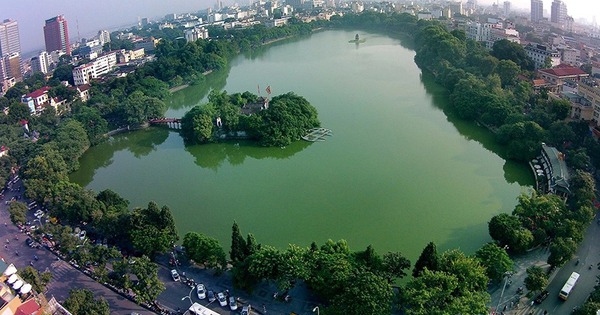
Hanoi, Vietnam's capital, is initiating a new measure to progressively restrict the use of fossil-fuel vehicles in its central areas as part of efforts to combat worsening air pollution. Effective July 1, a pilot plan will prohibit gasoline-powered motorcycles and cars from entering specific zones in Hoan Kiem District during peak evening hours on Fridays, Saturdays, and Sundays, from 7:00 p.m. to midnight. This restriction is part of Hanoi's broader pilot plan to establish low-emission zones, targeting key streets in the city center, including Trang Tien, Hang Khay, and Le Thai To. This initiative underscores the Vietnamese government's focus on addressing environmental challenges that have emerged alongside its rapid economic growth. To further encourage the use of public transportation, Hanoi plans to offer free fares for public bus services within Ring Road 1 from July 1, 2026, to June 30, 2027. This measure aims to shift citizens' travel habits away from private vehicles and motorcycles. The city also intends to expand electric and other green-energy bus services, study the introduction of smaller buses suitable for narrow streets, enhance connectivity with railway stations and transit hubs, develop bicycle and e-bike sharing services, and improve infrastructure for pedestrians and non-motorized transport. These regulations and public transport promotion policies reflect the Vietnamese Communist Party's commitment to sustainable urban development and environmental protection. While policy decisions under the one-party system can be implemented swiftly, the success of the plan will depend on its impact on residents' lives and the effectiveness of support policies for transitioning away from fossil-fuel vehicles. Information Source: Bao Chinh Phu

多角的分析

経済的影響

ハノイ市の化石燃料車規制は、大気汚染対策という環境面だけでなく、経済活動にも影響を与える可能性がある。短期的な影響としては、自動車関連産業や燃料販売業者に一時的な需要減退をもたらすかもしれない。しかし、長期的には、公共交通機関の利用促進や、電気自動車(EV)などのグリーンエネルギー関連産業への投資を加速させる契機となり得る。ベトナム経済は製造業と輸出に依存しているが、国内消費の活性化、特に都市部での環境関連インフラへの投資拡大は、新たな経済成長の柱となりうる。政府による代替車両購入支援策は、消費者の負担を軽減し、グリーン経済への移行を円滑に進めるための重要な経済的インセンティブとなるだろう。

投資家心理

この規制は、ベトナムの自動車市場、特に内燃機関(ICE)車両の販売に短期的な不確実性をもたらす可能性がある。しかし、投資家にとっては、公共交通機関の拡充、EVインフラ(充電ステーション、バッテリー交換施設)、および関連技術(例:スマート交通システム)への投資機会を示唆している。ベトナム政府が掲げる環境目標と、経済成長を両立させようとする姿勢は、ESG(環境・社会・ガバナンス)投資に関心のある投資家にとって魅力的である。特に、EVメーカーや、公共交通システムを運営・開発する企業への関心が高まる可能性がある。ただし、政策の実施状況や市民の受容度、代替技術の普及速度を見極める必要がある。

社会的影響

ハノイ中心部での化石燃料車規制は、市民の日常生活に直接的な影響を与える。特に、公共交通機関へのアクセスが不便な地域に住む人々や、自家用車・バイクが不可欠な職業に就いている人々は、移動手段の変更や追加的な費用負担を強いられる可能性がある。しかし、長期的に見れば、大気汚染の改善は、市民の健康増進に繋がり、医療費の削減や生活の質の向上に寄与すると期待される。無料バス期間中の公共交通機関の混雑や、代替手段への移行に伴う混乱も予想される。市民への丁寧な情報提供と、移行期間中の十分なサポート体制の構築が、社会的な受容性を高める鍵となるだろう。

市民の声

ハノイ中心部での化石燃料車規制は、市民の移動手段に変化を迫る。特に、ホアンキエム区のような中心部で生活する市民は、金・土・日曜日の夜間、バイクや車の利用が制限されるため、代替手段を検討する必要が生じる。公共バスの無料化は一時的な恩恵だが、恒常的な交通手段としての利便性や混雑が課題となるだろう。自家用車やバイクから公共交通への移行は、時間的・経済的な負担増につながる可能性があり、特に低所得者層への影響が懸念される。当局は、市民の移動の自由を確保しつつ、環境保護という目標を達成するための、より包括的で持続可能な交通政策を模索する必要がある。

背景・歴史的文脈

ベトナムでは、急速な経済成長に伴い、都市部を中心に深刻な大気汚染が問題となっている。特にハノイやホーチミン市では、自動車・バイクの普及、工業活動、建設ラッシュなどが複合的に影響し、PM2.5濃度などが世界保健機関(WHO)のガイドラインを大幅に超える日も少なくない。政府は、2016年に「ベトナム環境保護法」を改正し、環境保護への取り組みを強化してきた。2020年には、2050年までのカーボンニュートラルを目指すことを表明し、国際社会の目標に足並みを揃える姿勢を示している。今回のハノイ市の規制は、こうした国家的な環境政策の具体化の一環であり、持続可能な都市開発に向けた一歩と位置づけられる。

原文ソース

Bao Chinh Phu

原文を読む