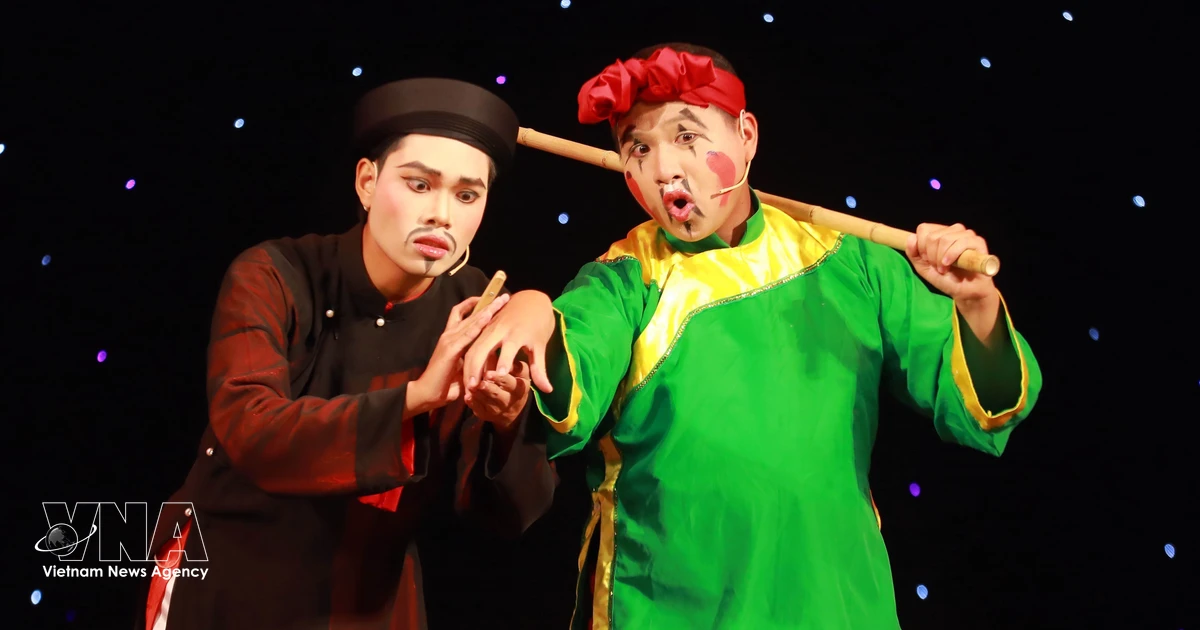
Young Generation Becomes Key to Preserving Vietnamese Heritage
In Vietnam, following a national resolution on cultural development, the younger generation is playing a crucial role in preserving and promoting traditional culture. Their efforts are re-emphasizing the value of cultural heritage in contemporary society.
Since the issuance of Resolution No. 80-NQ/TW on the development of Vietnamese culture, major goals and orientations have been translated into social life. In this process, the younger generation has increasingly affirmed its important role in preserving and promoting the values of national culture. They are acting as custodians of fading traditions, from classical arts and music to literature and lifestyles, re-discovering and promoting their appeal through modern approaches. Many examples show them effectively communicating the fascination of culture to their peers both domestically and internationally via social media and digital platforms, garnering empathy. This is a highly significant movement amidst Vietnam's continuous economic growth, where maintaining traditional culture presents a challenge amid rapid societal changes. In Vietnam, where societal direction is controlled under a one-party system, cultural inheritance is also emphasized from the perspective of national integration and identity maintenance. The voluntary activities of the youth align with these national objectives and are gaining attention in cultural policy circles. Their activities go beyond mere imitation of the past, breathing new life into cultural heritage by integrating it with contemporary values and lifestyles. This will likely be key to ensuring that Vietnam's diverse culture continues to thrive in the future.
多角的分析
ベトナム経済は目覚ましい成長を遂げているが、その過程で都市化やグローバル化が進み、伝統文化の維持が課題となっている。若者世代が文化遺産を継承・発信することは、国内の文化的アイデンティティを強化し、観光資源としての魅力を高めることで、間接的に経済成長を支える可能性がある。また、伝統工芸品や文化体験への新たな需要を生み出すことも期待される。
投資家にとって、若者世代による文化遺産の再評価は、新たなビジネスチャンスを示唆する。例えば、伝統文化をテーマにした観光サービス、デジタルコンテンツ、あるいは伝統工芸品を現代風にアレンジした商品の開発などが考えられる。ベトナムの国内市場の成長と、文化への関心の高まりは、これらの分野への投資を魅力的なものにする可能性がある。
ベトナム社会は急速な変化の最中にあり、伝統と現代性の間で揺れ動いている。若者世代が文化遺産を継承する活動は、社会全体のアイデンティティの再確認を促す。特に、ハノイの旧市街のような歴史的地区や、地方の伝統的な祭りといった具体的な場所で、若者たちが伝統衣装を身にまとい、SNSで発信する姿は、多くの人々に影響を与えている。これは、失われつつある地域文化の存続や、世代間の文化理解を深める上で重要な役割を果たす。
ベトナムの若者たちは、経済成長の恩恵を受けつつも、急速な社会変化の中で自身のルーツや文化的なアイデンティティについて深く考える機会を得ている。彼らの文化遺産継承への積極的な取り組みは、単なる流行ではなく、自国の文化に対する誇りと、それを未来に伝えたいという強い意志の表れである。これにより、彼ら自身の生活様式にも、伝統的な価値観がより意識的に取り入れられるようになるだろう。
背景・歴史的文脈
ベトナムにおける文化遺産の継承は、歴史的に複雑な背景を持つ。フランス植民地時代やアメリカとの戦争を経て、多くの伝統文化が失われかけた時期があった。1986年のドイモイ(刷新)政策以降、経済成長が最優先される中で、文化の軽視も指摘されてきた。しかし、2000年代以降、国家は文化の重要性を再認識し、文化振興策を強化している。特に、2010年代に採択された「ベトナム文化発展に関する国家戦略」や、本記事で言及されている「第80号-NQ/TW」は、文化遺産の保護と普及を国家目標として位置づけており、その担い手として若者世代の役割が期待されている。
原文ソース
VietnamPlus English