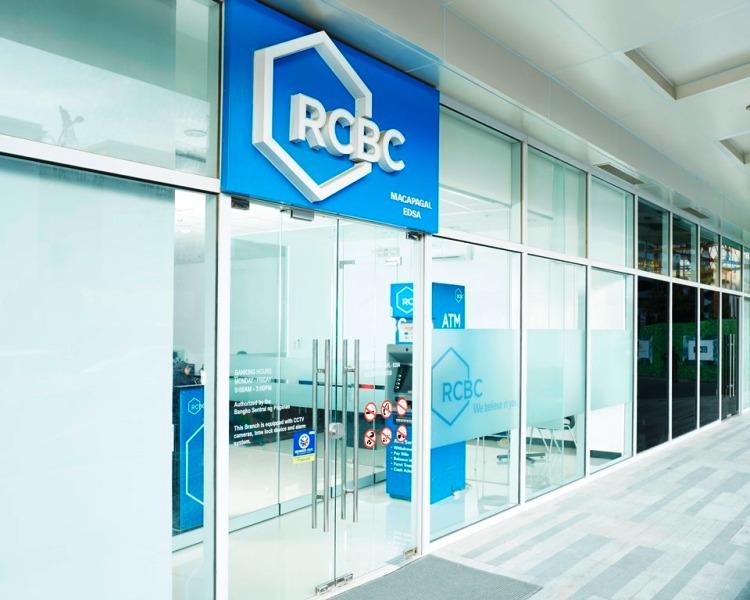
RCBC to Offer Free InstaPay Transfers Starting July 4, 2026
RCBC will offer free InstaPay transfers via its Pulz app starting July 4, 2026, for up to 30 transactions per month. This follows BPI's move to remove fees, signaling increased competition and convenience in Philippine digital payments.
Rizal Commercial Banking Corp. (RCBC) is set to make InstaPay transfers free starting Saturday, July 4, 2026, through its online banking application Pulz, following the lead of the Bank of the Philippine Islands (BPI) that removed interbank transfer fees earlier this week. In an advisory, RCBC said the first 30 InstaPay transfers per month with a minimum of P100 will be free. It will charge P10 once the monthly limit is reached, or if transactions fall below the minimum amount. Ayala-led BPI permanently removed transfer fees from transactions made through InstaPay and PESONet starting July 1, 2026. Under Memorandum 2026-025 dated June 17, 2026, the Monetary Board of the Bangko Sentral ng Pilipinas (BSP) lifted the moratorium on changes to InstaPay and PESONet transaction fees, following the rollout of zero-fee payments for small merchant payments. The same circular also provides that transfers sent to another bank should not be significantly higher than those sent within the same bank, with the only allowable difference being the actual processing “switch cost” or the actual cost of processing the transaction through a payment network. InstaPay, an electronic fund transfer (EFT) payment system that enables individuals to wire funds across banks in real time, was launched by the Bangko Sentral ng Pilipinas (BSP) in 2018. — RSJ, GMA News
多角的分析
InstaPay手数料の無料化は、フィリピン国内のデジタル決済エコシステムの拡大を加速させる主要因となる。特に、少額決済や頻繁な送金を行う一般消費者や中小企業にとって、取引コストの削減は経済活動の活性化に直結する。これは、フィリピン中央銀行(BSP)が推進するキャッシュレス社会への移行戦略とも合致しており、金融包摂の推進にも寄与すると考えられる。銀行側にとっては、一時的な収益減となる可能性もあるが、顧客基盤の拡大と取引量の増加による長期的な利益増を見込んでいると推測される。
この動きは、フィリピンのフィンテックセクターへの投資機会をさらに広げる可能性がある。手数料無料化は、ユーザーエクスペリエンスの向上と利用者の増加を促し、決済プラットフォームの価値を高める。投資家は、PayMayaやGCashといった既存の電子ウォレット事業者だけでなく、これら銀行のデジタルバンキングサービスや、それらを支えるインフラストラクチャ関連企業にも注目すべきだろう。ただし、収益モデルの持続可能性については、さらなるサービス拡充や付加価値サービスの提供が鍵となる。
RCBCやBPIによるInstaPay手数料無料化は、フィリピン国民、特に地方部や低所得層の金融アクセスを向上させる。これまで銀行口座を持てなかった人々や、高額な送金手数料に苦しんでいた人々が、より手軽にデジタル送金を利用できるようになる。これは、家族への送金や、オンラインでの商品購入など、日常生活における経済活動の利便性を高める。一方で、デジタルリテラシーの格差や、インターネット環境の整備が課題として残る可能性もある。
RCBCとBPIのInstaPay手数料無料化は、マニラ首都圏で働く多くの市民にとって朗報だ。特に、地方の実家へ毎月送金している人々は、年間でかなりの額の節約になる。これまでP10〜P15かかっていた送金手数料がなくなることで、その分のお金を家族に渡したり、自分の生活費に充てたりできる。ただし、無料になるのは月30回までという上限があるので、頻繁に送金する人や、複数の口座間で頻繁に資金を移動させるビジネス用途では注意が必要だ。それでも、全体としてはデジタル送金がより身近になる良い変化だと感じている。
背景・歴史的文脈
フィリピンでは、中央銀行(BSP)が2018年にInstaPayを導入し、リアルタイムでの電子資金移動を可能にした。これは、国内の決済システムを近代化し、キャッシュレス社会への移行を促進するための戦略の一環であった。当初は手数料が発生していたが、近年、特にコロナ禍を経てデジタル決済の利用が急速に拡大したことを受け、BSPは手数料に関するモラトリアムを解除し、銀行間の競争を促進する方針を示した。これにより、BPIやRCBCのような大手銀行が、顧客獲得のために手数料無料化という大胆な施策に踏み切る流れが生まれた。
原文ソース
GMA Money Philippines