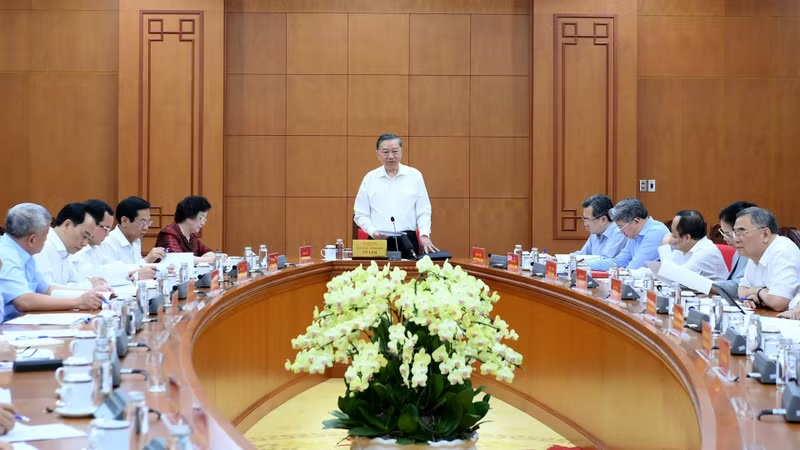
Vietnam Focuses on Workforce Development and Job Creation: Party, State Leaders Discuss with Interior Ministry
Politics
2026年7月8日
5
Nhan Dan

Vietnam Focuses on Workforce Development and Job Creation: Party, State Leaders Discuss with Interior Ministry

AI サマリー

General Secretary of the Communist Party of Vietnam and President To Lam held discussions with the Ministry of Interior on improving workforce quality, creating sustainable employment, and developing human resources for the new development phase. These are key issues for Vietnam's economic growth and social stability.

On July 8, General Secretary of the Communist Party of Vietnam and President To Lam presided over a meeting with the Ministry of Interior at the Party Central Headquarters. The discussion focused on improving the quality of Vietnam's workforce, strategies for creating sustainable employment in rural areas, urban centers, and ethnic minority regions, and human resource development for the new phase of development. This consultation was held with the understanding that cultivating high-quality human capital is essential for Vietnam to address its economic growth and social development challenges. In particular, creating employment opportunities in rural and ethnic minority areas is a crucial policy issue that directly contributes to rectifying regional disparities and stabilizing society. Furthermore, to adapt to the rapidly changing economic structure, strengthening human resource development programs that align with industry needs is imperative. General Secretary and President To Lam emphasized that improving workforce quality is the key to enhancing Vietnam's competitiveness and achieving sustainable development. The government aims to produce talent that meets international standards by reforming the education and vocational training systems. This will not only promote domestic investment but also create a more attractive investment environment for attracting foreign direct investment (FDI). Under its one-party system, Vietnam has prioritized economic growth and achieved remarkable development in recent years. However, to ensure this growth is sustainable and to improve the living standards of all citizens, upgrading the workforce's skills and securing diverse employment opportunities are urgent tasks. This meeting demonstrates the government's proactive approach to tackling these issues. Source: Nhan Dan

多角的分析

経済的影響

ベトナム経済は、製造業を中心とした輸出主導型成長を続けているが、その持続可能性は労働力の質と生産性向上に大きく依存している。今回の政府の取り組みは、単なる雇用創出に留まらず、高付加価値産業へのシフトを見据えた人材育成の重要性を示唆している。特に、デジタル経済やグリーン経済といった新興分野で必要とされるスキルを持つ人材の育成が、今後の国際競争力維持の鍵となる。過去の統計では、ベトナムの労働生産性はASEAN内でもまだ高いとは言えず、このギャップを埋めることが経済成長の新たなドライバーとなり得る。

投資家心理

投資家にとって、労働力の質向上と安定した雇用創出は、国全体の経済安定と消費拡大に繋がるため、ポジティブなシグナルである。特に、製造業やサービス業への投資を検討する際には、熟練した労働力の供給が不可欠となる。政府が教育・訓練システム改革に注力することは、長期的な視点での投資リスク低減に寄与すると考えられる。ただし、改革の具体的な進捗と、それが産業界のニーズにどれだけ迅速に対応できるかが、実際の投資判断において重要となる。

社会的影響

ベトナム社会においては、地方と都市部の経済格差、少数民族地域における開発の遅れが、社会的不満の潜在的な要因となっている。政府がこれらの地域での雇用創出に注力することは、地域間の均衡ある発展を促し、社会統合を強化する上で重要である。例えば、農村部での農業技術の高度化や、地方都市での小規模製造業の振興は、地域住民の所得向上と生活の安定に直接貢献する。また、若年層のスキルアップは、都市部への人口流出を抑制し、地域社会の活性化にも繋がる可能性がある。

市民の声

ベトナム市民、特に農村部や少数民族地域の住民にとって、持続可能な雇用機会の創出は生活の安定に直結する。これまで都市部への出稼ぎに頼っていた人々が、地元で安定した収入を得られるようになれば、家族との生活を維持し、地域経済の活性化にも貢献できる。また、若年層は、より高度なスキルを習得することで、将来的なキャリアパスを広げ、より良い生活水準を目指すことができる。教育・訓練へのアクセス改善は、これらの希望を実現するための重要な一歩となる。

背景・歴史的文脈

ベトナムは、1986年のドイモイ(刷新)政策以降、市場経済化を進め、急速な経済成長を遂げてきた。この成長を支えてきたのは、豊富な若年労働力と、政府による輸出産業への積極的な投資である。しかし、近年、経済の高度化に伴い、労働力のスキルアップと、地域間・所得間の格差是正が課題となっている。特に、農村部や少数民族地域では、雇用機会の不足や教育水準の低さが、社会的な不安定要因となる可能性が指摘されてきた。今回の協議は、これらの長年の課題に対し、党・国家指導部が改めて重点を置く姿勢を示したものと言える。

原文ソース

Nhan Dan

原文を読む