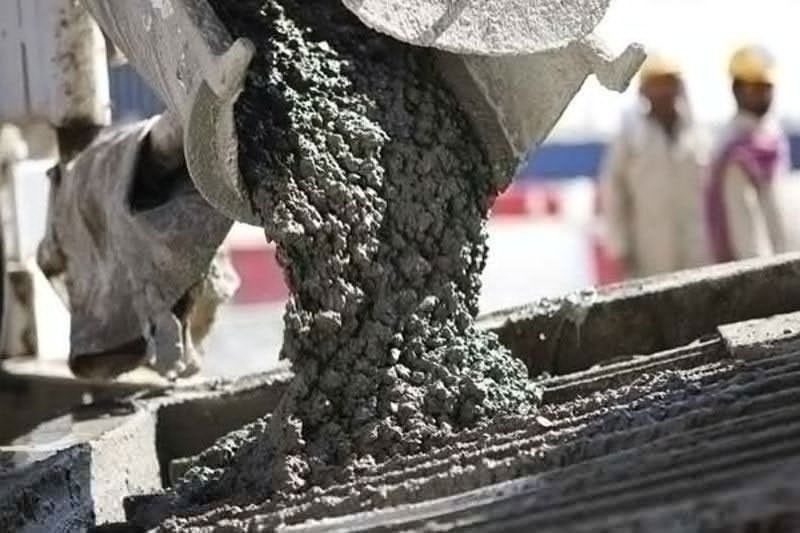
Philippines Launches Decarbonization Roadmap for Cement Industry
Infrastructure
2026年7月2日
4
Philstar Business

Philippines Launches Decarbonization Roadmap for Cement Industry

AI サマリー

The Philippines has launched a "Cement and Concrete Industrial Decarbonization Roadmap" in partnership with cement manufacturers. This initiative aims to reduce carbon emissions in the cement industry while supporting the nation's infrastructure development, positioning the Philippines as a leader in Southeast Asia.

MANILA, Philippines — The Department of Trade and Industry (DTI), in partnership with cement manufacturers, has formally launched the Philippine Cement and Concrete Industrial Decarbonization Roadmap. This initiative aims to reduce carbon emissions in the cement industry while continuing to support the country's infrastructure development. The roadmap, which outlines the long-term strategy for decarbonization in the cement sector, was developed with support and funding from the Canadian government, the United Nations Industrial Development Organization (UNIDO), and the Cement Manufacturers Association of the Philippines (CeMAP). The formal launch took place on June 29 at the Makati Diamond Residences in Makati City. The Philippines is among the first countries in Southeast Asia to establish a decarbonization roadmap endorsed by both the government and the industry. A key objective of the roadmap is to reduce the use of clinker in cement production, a significant contributor to carbon emissions. The target is to lower the clinker cement factor from 75 percent in 2024 to 68 percent by 2030, 61 percent by 2040, and 58 percent by 2050. Furthermore, the roadmap sets targets for increasing the use of alternative fuels from 13 percent in 2024 to 25 percent by 2030, 35 percent by 2040, and 36 percent by 2050. It also seeks to promote energy efficiency improvements, the use of supplementary cementitious materials, and the eventual deployment of carbon capture technologies. "Developing and implementing a Cement and Concrete Decarbonization Roadmap is important because it provides a clear, coordinated strategy for one of the world’s most carbon-intensive industries to reduce emissions while continuing to support economic growth and infrastructure development," said CeMAP president John Reinier Dizon. He emphasized that the roadmap serves as an industrial development strategy for the country, ensuring that vital infrastructure is built with lower carbon emissions, greater efficiency, enhanced competitiveness, and stronger resilience, securing a sustainable future for both economic growth and environmental stewardship.

多角的分析

経済的影響

セメント産業は、インフラ建設に不可欠な基幹産業であり、その脱炭素化はフィリピン経済の持続可能性に直結する。クリンカー使用量の削減や代替燃料の導入は、原材料コストや燃料費の変動リスクを軽減し、長期的な生産コストの安定化に寄与する可能性がある。また、GHG排出削減は、将来的な炭素税導入や国際的な環境規制強化への対応力を高め、輸出競争力にも影響を与えうる。

投資家心理

このロードマップは、環境・社会・ガバナンス(ESG)投資を重視する投資家にとって、フィリピンのセメントセクターへの投資機会を示すものとなる。再生可能エネルギーや低炭素技術への投資が促進されることで、新たなビジネスチャンスが生まれる可能性がある。一方で、クリンカー製造設備からの転換や代替燃料インフラへの初期投資は、企業にとって大きな負担となる可能性があり、投資回収期間の見極めが重要となる。

社会的影響

セメント製造における排出削減は、大気汚染の低減を通じて、特に工場周辺住民の健康被害リスクを軽減する可能性がある。また、インフラ開発の持続可能性向上は、国民生活の質の向上に寄与する。しかし、代替燃料への転換や技術導入に伴う雇用への影響、あるいは新たな環境基準への対応が、地域社会や労働者にどのような影響を与えるか、詳細なフォローアップが求められる。

市民の声

フィリピン国民、特にインフラ建設の恩恵を受ける立場にある人々にとって、このロードマップは、よりクリーンで持続可能な開発への期待を高めるだろう。しかし、セメント価格への影響や、脱炭素化プロセスにおける国民生活への直接的な変化については、まだ不透明な部分が多い。例えば、建設資材の価格上昇が住宅購入や賃貸料に波及する可能性も懸念される。

背景・歴史的文脈

フィリピンは、急速な経済成長に伴い、インフラ開発が活発化している。セメントは、住宅、道路、橋梁などの建設に不可欠な資材であり、その生産は大量の二酸化炭素を排出する。国際社会からの気候変動対策への圧力が高まる中、フィリピン政府は産業界と連携し、持続可能な開発目標(SDGs)達成に向けた取り組みを強化している。特に、セメント産業における排出量削減は、国家レベルでの気候変動対策における重要な柱の一つと位置づけられている。カナダ政府は、途上国の気候変動対策支援に積極的であり、今回のロードマップ策定にもその意図が反映されている。

原文ソース

Philstar Business

原文を読む