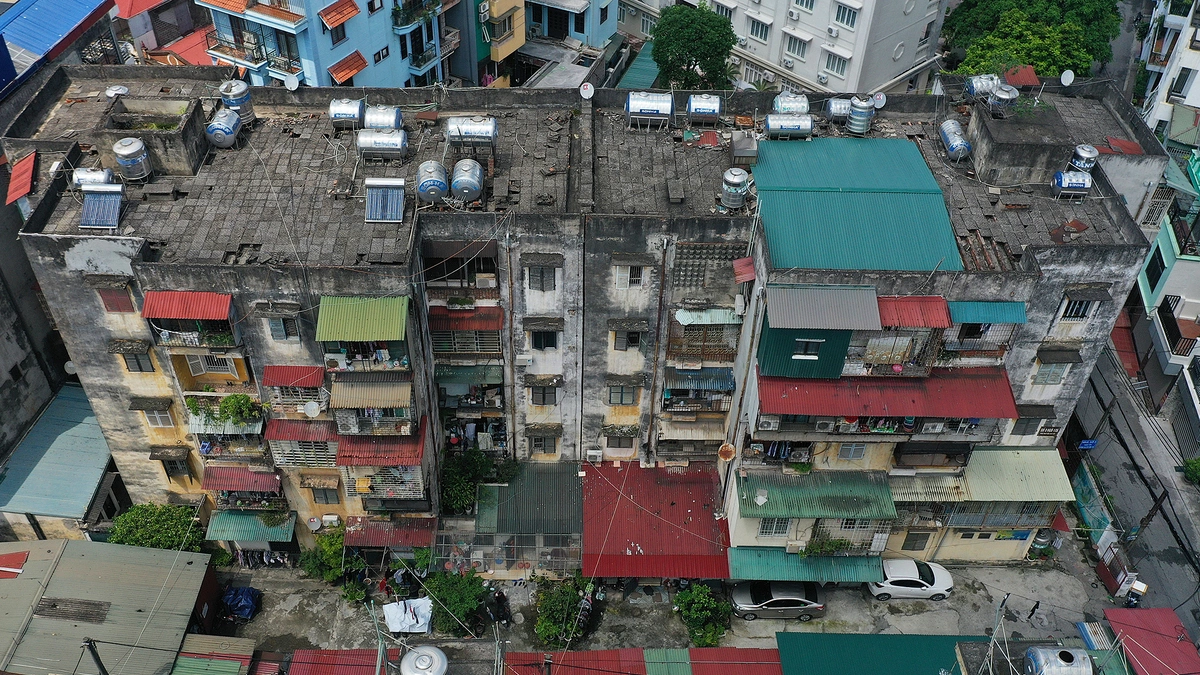
Vietnam Considers Time Limits on Apartment Ownership as Buildings Age
Diplomacy
2026年7月14日
5
VnExpress

Vietnam Considers Time Limits on Apartment Ownership as Buildings Age

AI サマリー

Vietnam's Ministry of Construction has proposed a draft law to terminate apartment ownership upon the building's expiry. This aims to establish a new framework for ownership rights as buildings age, including provisions for resident compensation and reconstruction.

The Ministry of Construction has proposed a draft amendment to the Housing Law (Luật Nhà ở sửa đổi) that would terminate ownership rights for apartments and other areas within apartment buildings once their operational lifespan expires or if the building is demolished. This marks a significant shift from current regulations. Under the draft, the ownership period for an apartment will be determined by the building's lifespan. Provincial People's Committees will be responsible for inspecting and assessing the quality of apartment buildings when they reach their expiry date or, even before expiry, if they are damaged, pose a risk of collapse, or are unsafe for occupants. If an extension of use is not granted, the apartment building will be subject to demolition. Following this demolition process, ownership rights to apartments and associated land areas will cease. However, in such cases, apartment owners will have the right to continue using the land area by contributing funds for the reconstruction of a new apartment building. The contribution amount will be calculated based on the ratio of the apartment's usable area to the construction investment cost per square meter of floor space at the time of demolition. If owners do not wish to contribute funds for reconstruction, they will hand over the land to the State, which will then assign it to a developer for the reconstruction project. They will receive compensation equivalent to the value of their land use rights, proportionate to their apartment's usable area. Currently, the 2023 Housing Law does not stipulate a specific ownership term for apartments, only defining the building's usage period based on design documents and actual quality inspections. However, property certificates often list two types of apartment usage terms: perpetual and limited. Perpetual ownership is typically associated with apartments built on residential land, granting stable, long-term land use rights. Limited-term apartments (50-70 years) are often built on land designated for commercial services, and buyers are entitled to use them for the remaining duration of the project from the date the State allocated the land to the developer. The drafting agency explained that apartment buildings are a type of construction with a limited lifespan, as they deteriorate over time. Introducing regulations on apartment ownership aims to gradually change public perception that apartments are 'permanent' or 'eternal' assets. For renovation or reconstruction, the Ministry of Construction proposes that the apartment building's usage period be determined by the approved design documents, calculated from the date of the building's completion and acceptance for use. The competent authorities must clearly state the building's usage period during the design document review. The draft also adds provisions for mandatory demolition of apartment buildings. Beyond the expiry of their usage period, this includes buildings suffering severe damage from fires, natural disasters, significant deterioration, or posing a risk of collapse, rendering them unsafe. To ensure residents' rights, the Ministry of Construction proposes a mechanism for on-site resettlement in areas approved for continued apartment building reconstruction. If reconstruction plans are not approved, apartment owners will be compensated financially or arranged for resettlement in the same commune, ward, or a neighboring area. According to National Technical Regulation on Classification and Grading of Construction Works (Circular 05/2022), the lifespan of a construction is determined by four levels. After the expiry of this period, relevant authorities will re-inspect the quality and extend it if safety is assured.

多角的分析

経済的影響

ベトナムの不動産市場において、マンションの所有権に期限を設けるという提案は、長期的な資産価値の評価に影響を与える可能性があります。特に、永続的な所有権を前提としてきた購入者にとっては、将来的な不確実性が増すことになります。一方で、建物の老朽化に伴うリスクを管理し、都市の再開発を促進する側面もあります。これにより、新たな建設投資や関連産業への波及効果が期待される一方、既存の所有権者への補償メカニズムが市場の安定性を左右する要因となるでしょう。

投資家心理

この提案は、ベトナムの不動産投資家にとって、リスクと機会の両方をもたらします。建物の耐用年数に基づいた所有権の期限設定は、長期的な投資リターンの予測を複雑にします。しかし、老朽化した建物の解体と再建が進むことで、新たな開発プロジェクトへの投資機会が生まれる可能性があります。投資家は、政府の補償政策や再建プロジェクトの実行可能性を慎重に評価する必要があります。また、期限付き所有権の物件に対する市場の反応も注視すべき点です。

社会的影響

マンションの所有権に期限が設けられることは、多くのベトナム市民、特に都市部でマンションを購入した人々にとって、生活設計に大きな影響を与えます。長年住んできた住居が、建物の老朽化によって所有権を失う可能性があることは、精神的な不安につながります。法案では、再建時の資金拠出や補償、再定住のメカニズムが提案されていますが、これらの措置が住民の期待に応えられるか、また、地域間の公平性が保たれるかが重要な課題となります。特に、低所得者層や高齢者層への配慮が求められます。

市民の声

マンションの所有権に期限を設けるという法案は、多くの市民、特に都市部でマンションを購入した人々にとって、生活設計に大きな影響を与えます。長年住んできた住居が、建物の老朽化によって所有権を失う可能性があることは、精神的な不安につながります。法案では、再建時の資金拠出や補償、再定住のメカニズムが提案されていますが、これらの措置が住民の期待に応えられるか、また、地域間の公平性が保たれるかが重要な課題となります。特に、低所得者層や高齢者層への配慮が求められます。

背景・歴史的文脈

ベトナムでは、1986年のドイモイ政策以降、急速な経済成長とともに都市部でマンション建設が盛んになりました。しかし、当時の法制度では、建物の耐用年数やそれに伴う所有権の扱いに明確な規定がなく、多くのマンションが「永続的」な資産として扱われてきました。近年、これらの建物の老朽化が問題視され始め、建物の安全確保と都市計画の観点から、所有権のあり方を見直す機運が高まっています。今回の提案は、こうした背景から、建物のライフサイクル管理と都市の持続的な発展を目指す政府の意向を反映したものです。

原文ソース

VnExpress

原文を読む