Vietnam Strengthens International Cooperation in Real Estate, Carbon Markets, and Semiconductors
Business
2026年6月29日
5
VietnamPlus English
Relations
🇻🇳Vietnam🇱🇦Laos

Vietnam Strengthens International Cooperation in Real Estate, Carbon Markets, and Semiconductors

AI サマリー

Vietnam is enhancing international cooperation across various sectors, including real estate development with Laos, launching its domestic carbon market, and fostering the semiconductor industry. These initiatives are part of Vietnam's strategy to achieve sustainable economic growth and expand its role in global supply chains.

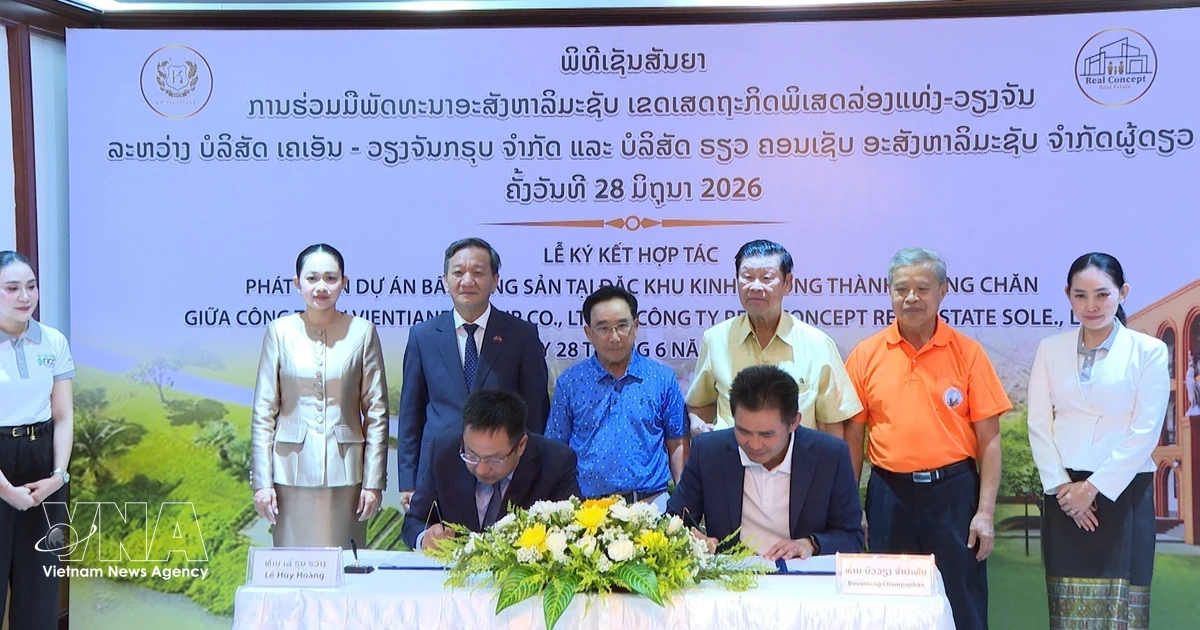
Vietnam is deepening international cooperation across various sectors, including strategic cooperation with Laos in real estate development, the establishment of its domestic carbon market, and the fostering of the semiconductor industry. These moves signal Vietnam's commitment to sustainable economic growth and its ambition to enhance its significance in global supply chains. Cooperation with Laos includes the signing of a memorandum of understanding for real estate projects in Vientiane, strengthening collaboration between companies from both nations. This exemplifies Vietnam's focus on regional partnerships. Domestically, the Vietnam Carbon Market has officially launched. This is a crucial step towards achieving greenhouse gas emission reduction targets, providing a mechanism for businesses to optimize emission reduction costs through trading emission allowances and encouraging technological innovation. The market is expected to expand access to green finance and contribute to improving corporate competitiveness and strengthening brand value. Furthermore, Vietnam is promoting the development of an ecosystem for the semiconductor industry, aiming to expand its role in areas such as chip design, packaging, testing, materials production, and equipment manufacturing. This requires essential investment in high-quality human resource development and attracting strategic investors. These initiatives are a manifestation of Vietnam's drive to establish itself as a destination for foreign direct investment (FDI) and a hub for high-value-added industries amidst the ongoing restructuring of global supply chains. Ho Chi Minh City is pursuing a strategy to leverage new development spaces and strengthen its role as a regional megacity and a value-added services hub. Under its one-party system, Vietnam consistently prioritizes economic growth and the enhancement of international competitiveness. International cooperation in these sectors serves as a vital means to accelerate the achievement of domestic policy objectives. Particularly, as relations with China remain complex, Vietnam is attracting attention as an appealing investment destination for multinational corporations seeking to diversify their supply chains.

多角的分析

経済的影響

ベトナムの炭素市場設立は、パリ協定に基づく排出削減目標達成に向けた経済構造のグリーン化を加速させる試みである。これは、国内外からのグリーン投資を呼び込み、持続可能な開発を促進する一方で、排出削減コストを企業に転嫁する可能性も示唆する。半導体産業への注力は、高付加価値産業へのシフトを目指すベトナムの産業政策の表れであり、グローバルサプライチェーンにおける位置づけを高める狙いがある。

投資家心理

ベトナムの炭素市場は、ESG投資に関心を持つ投資家にとって新たな機会を提供する。排出削減プロジェクトへの投資や、グリーンボンドの発行などが期待される。不動産分野でのラオスとの協力は、地域市場へのアクセス拡大を目指す投資家にとって魅力的となりうる。半導体分野への投資は、長期的な成長ポテンシャルを見込む投資家にとって注目すべき領域である。

社会的影響

炭素市場の導入は、環境保護への意識向上を促す一方で、排出削減コストが製品価格に転嫁され、消費者の負担増につながる可能性が懸念される。不動産開発は、都市部への人口集中を加速させ、住宅価格の高騰やインフラ整備の遅れといった課題を生む可能性がある。半導体産業の発展は、新たな雇用機会を創出するが、高度な技術力を持つ人材の育成が追いつかず、所得格差が拡大するリスクも存在する。

市民の声

炭素市場の導入により、企業は排出削減努力を強化する必要に迫られる。これが製品価格に転嫁されれば、市民の生活費に影響を与える可能性がある。また、都市開発が進む中で、ホーチミン市などの大都市では、住宅価格の高騰や交通渋滞の悪化が市民生活を圧迫する懸念がある。半導体産業の発展は、若年層に新たなキャリアパスを提供する可能性があるが、教育システムがその需要にどれだけ応えられるかが課題となる。

背景・歴史的文脈

ベトナムは、ドイモイ政策以来、市場経済化を進め、国際社会との関係を正常化させてきた。経済成長を最優先課題とする一党体制下で、外国直接投資(FDI)を積極的に誘致し、製造業を中心に輸出主導型経済を構築してきた。近年、米中貿易摩擦や地政学的な緊張を背景に、グローバルサプライチェーンの再編が進む中で、ベトナムは「チャイナ・プラスワン」戦略の受け皿として注目度を高めている。環境問題への関心の高まりを受け、パリ協定に基づく排出削減目標達成のため、炭素市場の整備も喫緊の課題となっている。半導体産業への参入は、より高度な産業構造への転換を目指すベトナムの長期的な国家戦略の一環である。

原文ソース

VietnamPlus English

原文を読む