Middle East Tensions Escalate: Iran-US Confrontation and Potential Indirect Impacts on Cambodia
Military exchanges between Iran and the United States have reignited, escalating tensions in the Middle East. Iran attacked US allies, while the US targeted Iranian military sites. This regional conflict escalation could indirectly impact Cambodia's economy and investment climate.
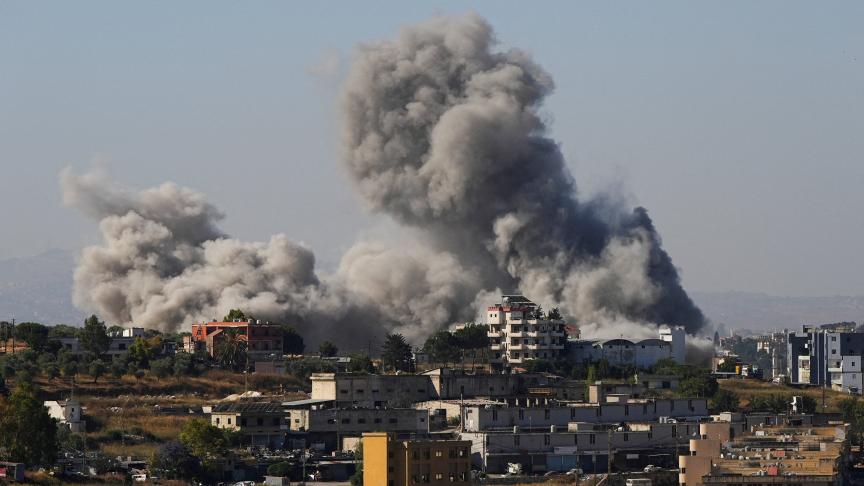
The military exchanges between Iran and the United States have reignited, escalating tensions in the Middle East. On July 9th, Iran announced it had retaliated against US attacks by targeting US allies in the Persian Gulf region, accusing the US of attempting to disrupt the funeral ceremony of the late Iranian Supreme Leader Ayatollah Ali Khamenei. This series of intense attacks marks the most significant confrontation since the signing of an agreement on June 17th. US President Donald Trump threatened further severe attacks if Iran continued to attack commercial vessels in the Strait of Hormuz. Trump declared that a ceasefire had ended and referred to Iranian leaders as "sick people" he did not want to work with, though he left the door open for further negotiations. Amidst Israel's assertion that it is prepared for a third attack on Iran if necessary, the US continued its attacks on approximately 90 Iranian military targets from the night of July 8th to the 9th. However, Iran accused the US of also attacking civilian targets to intimidate and deter citizens from participating in the funeral of Ayatollah Ali Khamenei. Bridges and railway lines connecting Tehran and Mashhad, where the late Iranian Supreme Leader's body was to be buried, were attacked. Furthermore, on the evening of July 9th, a military site near BOUCHEHR, a city in southwestern Iran housing the country's sole nuclear center, was also attacked. The US Department of Defense denied reports that the US had been attacking Iran in recent hours. According to Iranian authorities, the US attacks resulted in 17 deaths and 93 injuries. In retaliation for the US attacks, Iran also launched new attacks on neighboring countries: Kuwait, Bahrain, and Qatar. Air raid sirens were also heard in Jordan, where missiles were intercepted. US forces stated on social media platform X that their recent attacks aimed to further weaken Iran's ability to obstruct free navigation in the Strait of Hormuz, blaming Iran for recent attacks against commercial vessels passing through the strait. As a sign of the tense atmosphere, a fighter jet escorted the aircraft carrying the body of Ayatollah Ali Khamenei to Mashhad. Moreover, despite these new attacks by the US, Iranian citizens did not refrain from participating in the funeral ceremony of Ayatollah Ali Khamenei. Earlier in the week, millions of people gathered in Tehran and later in the Iraqi city of Karbala to participate in the procession of Ayatollah Ali Khamenei's body. After a six-day funeral, Ayatollah Ali Khamenei's body was buried on July 9th in his hometown of Mashhad. Source: Koh Santepheap Khmer
多角的分析
中東地域における紛争の激化は、原油価格の変動を通じてカンボジア経済に間接的な影響を与える可能性がある。カンボジアはエネルギー輸入に依存しており、原油価格の上昇は燃料費や輸送コストの増加を招き、インフレ圧力となる。また、地域情勢の不安定化は、カンボジアへの観光客の流れや、地域からの投資にも影響を及ぼすリスクをはらむ。
中東情勢の緊迫化は、グローバルなリスク回避の動きを強め、新興市場への投資意欲を減退させる可能性がある。カンボジアへの直接的な投資は現時点では限定的かもしれないが、国際的な金融市場の不安定化は、カンボジアの金融システムや外貨準備にも間接的な影響を与えうる。投資家は、地政学的なリスクをより重視するようになるだろう。
中東情勢の緊迫化は、カンボジア国内の社会的な不安を直接引き起こすものではないが、国際的なニュースを通じて人々の関心を集める可能性がある。また、紛争地域からの難民や避難民が発生した場合、国際社会の支援がそちらに集中し、カンボジアへの開発援助や人道支援に影響が出る可能性も否定できない。さらに、SNSなどを通じて情報が拡散される中で、誤情報や扇動的な情報に注意が必要となる。
中東の紛争はカンボジア市民の日常生活に直接的な影響は少ないものの、燃料価格の上昇を通じて間接的な物価上昇を感じる可能性がある。また、国際情勢への関心が高まる中で、平和の尊さや紛争の悲惨さを改めて認識する機会となる。特に、SNSを利用する若年層は、国際ニュースに触れる機会が多く、世界情勢への関心を深めるだろう。
背景・歴史的文脈
イランと米国の対立は、イラン革命以降、長期にわたる地政学的な緊張関係にある。特に、イランの核開発問題や地域における影響力拡大を巡る対立は、ホルムズ海峡という海上交通の要衝における軍事的な緊張を常態化させてきた。2015年の核合意(JCPOA)からの米国の離脱と、それに続くイランへの経済制裁は、両国関係を一層悪化させた。今回の事態は、これらの長年の対立構造が、最高指導者の死という象徴的な出来事を契機に、再び激しい軍事衝突へと発展したことを示している。
原文ソース
Koh Santepheap Khmer