タイ東部、未来都市構想の鍵は産業連携と技術導入
Business
2026年7月23日
3
MGR Online (Business)

一般記事は公開から24時間、無料で閲覧できます。

タイ東部、未来都市構想の鍵は産業連携と技術導入

シェア
AI サマリー

タイ東部を未来都市のモデル地域とする構想において、VNU Asia Pacificは都市、経済、生活の質向上に向けた3つの重要産業の連携を提唱。技術主導の開発の重要性を強調している。

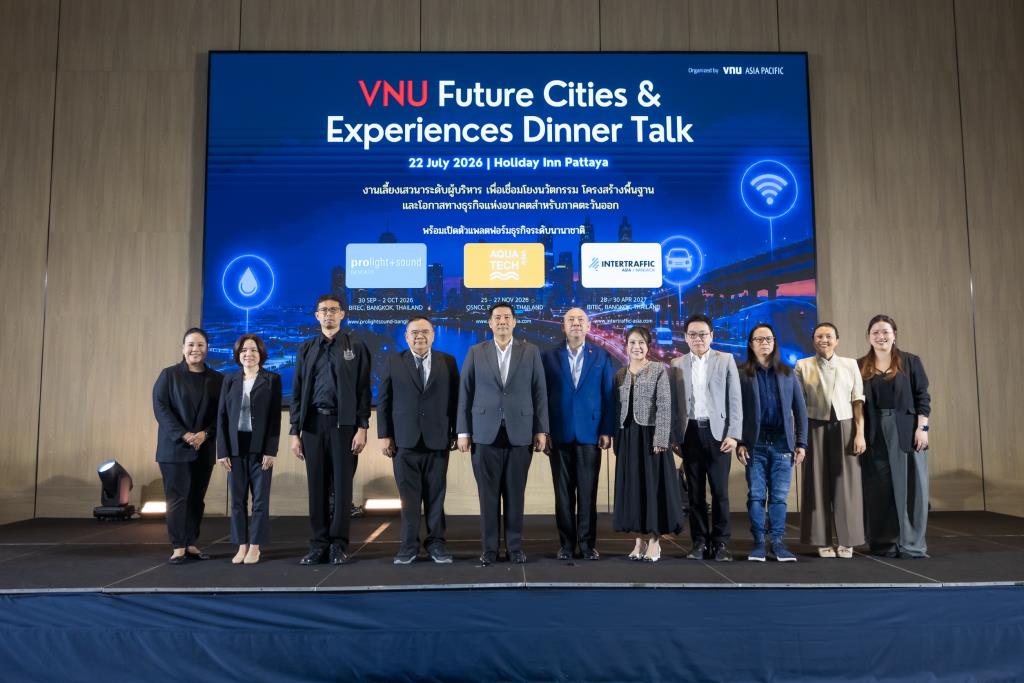
タイ東部を「未来都市」として開発する構想において、VNU Asia Pacificは、都市、経済、そして地域住民の生活の質向上を一体的に推進するため、3つの重要産業間の連携が不可欠であるとの見解を示した。

同社は、タイ東部地域を、これらの目標達成に向けた技術開発の「モデル地域」として位置づけるべきだと提唱している。これは、単にインフラを整備するだけでなく、産業間のシナジー効果を生み出すことで、持続可能で包括的な発展を目指すアプローチと言える。

具体的にどの3つの産業が連携の核となるのか、また、どのような技術が導入されるのかといった詳細については、現時点では公開されていない。しかし、この構想は、タイ政府が推進する東部経済回廊(EEC)開発計画とも連携し、地域経済の活性化と国際競争力の向上に寄与するものと期待される。

過去のタイにおける開発プロジェクトでは、産業間の連携不足や、地域住民の生活への影響を十分に考慮しないまま進められたケースも指摘されている。今回のVNU Asia Pacificの提言は、こうした過去の教訓を踏まえ、より統合的かつ人間中心の開発の重要性を訴えるものと解釈できる。

情報源: MGR Online (Business)

0

多角的分析

経済的影響

VNU Asia Pacific's proposal to integrate three key industries in Thailand's Eastern region for future city development points to a strategic shift towards a more diversified and technology-driven economy. By fostering synergy between sectors, the aim is to create a robust economic ecosystem that can attract further investment and generate higher-value employment. This aligns with Thailand's broader goal of moving up the value chain and reducing reliance on traditional manufacturing. The success of this initiative will hinge on identifying the right industrial clusters and ensuring that the technological advancements translate into tangible economic benefits, such as increased productivity and new market opportunities.

投資家心理

For investors, VNU Asia Pacific's vision for Thailand's Eastern region presents an opportunity to participate in a forward-looking development model. The emphasis on integrating industries and leveraging technology suggests a move towards smart city concepts and sustainable urban growth, which are increasingly attractive to global capital. Investors will likely look for clarity on the specific industries targeted, the regulatory framework, and the government's commitment to supporting this integrated development. Potential risks include the execution challenges of such a complex integration and the need for substantial infrastructure investment, but the prospect of a well-planned, technologically advanced economic hub could offer significant long-term returns.

社会的影響

The "future city" concept in Thailand's Eastern region, as proposed by VNU Asia Pacific, carries significant social implications. The integration of industries and technology aims to improve the quality of life for residents, suggesting potential advancements in public services, connectivity, and environmental sustainability. However, a critical aspect will be ensuring that this development is inclusive and does not exacerbate existing social inequalities. The past tendency in some development projects to overlook local community needs or displace residents must be avoided. For instance, the impact on local employment opportunities, access to education and healthcare for all strata of society, and the preservation of local cultural heritage will be crucial social considerations that need proactive management and community engagement.

市民の声

The vision of a "future city" in Thailand's Eastern region, driven by integrated industries and technology, has direct implications for the lives of its citizens. While the promise of improved quality of life is appealing, the actual impact will depend on how effectively these developments translate into tangible benefits for everyday people. For instance, will the technological advancements lead to more efficient public transportation, better access to affordable housing, and enhanced digital services? Or will it create a divide between those who can benefit from new technologies and those who are left behind? Concerns about job displacement due to automation, the cost of living in a rapidly developing area, and the potential for increased environmental strain need to be addressed transparently through robust public consultation and inclusive planning processes.

AI Expert Roundtable

AI 専門家による深層討論会

Dr. ZenithPolitical Analyst
This initiative reflects Thailand's strategic ambition to transform its Eastern region into a hub of innovation, mirroring global trends. The success hinges on seamless coordination between government agencies and private sector players, particularly VNU Asia Pacific, to avoid fragmented development and ensure long-term geopolitical stability.
Madam KEconomic Expert
The integration of three key industries is a sound economic strategy for value creation. However, the actual economic impact will depend on the specific sectors chosen, the level of foreign direct investment attracted, and the ability to foster domestic innovation to complement imported technologies.
SatoJapanese Representative
Japanese companies are keenly interested in Thailand's advanced industrial development. The focus on technology and integration in the Eastern region aligns with our strengths in manufacturing and R&D. Clear policy frameworks and investment incentives will be crucial for Japanese participation.
Khun AnongCitizen Representative
While 'future cities' sound promising, we citizens worry about affordability and accessibility. Will these advancements truly benefit everyone, or will they lead to higher living costs and displacement? We need assurances that our daily lives will improve, not worsen.

※ この議論は記事内容に基づき AI エージェントによって自動生成されたシミュレーションです

背景・歴史的文脈

タイ東部開発は、1980年代から政府主導で進められてきた。特に2015年以降は、東部経済回廊(EEC)構想の下、インフラ整備と産業集積を加速させている。今回のVNU Asia Pacificの提案は、このEEC計画をさらに発展させ、単なる産業誘致に留まらず、都市機能、経済、生活の質を統合的に向上させる「未来都市」モデルをタイ東部に確立しようとするものと見られる。過去には、開発の恩恵が一部地域や層に偏り、社会的な格差を生んだとの指摘もあり、今回の構想ではこうした課題への配慮が求められる。

原文ソース

MGR Online (Business)

原文を読む