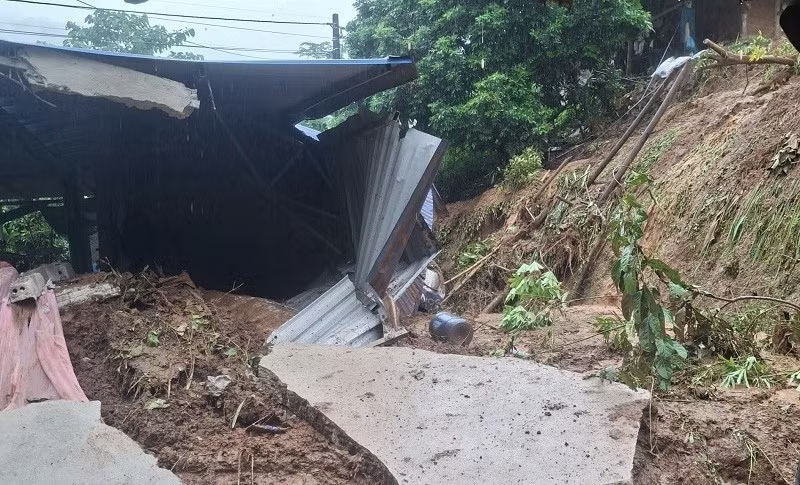
Dien Bien Province Suffers Severe Damage from Heavy Rains, Residents Evacuated
Environment
2026年7月9日
3
Nhan Dan
Relations
🇻🇳Vietnam🇨🇳China

Dien Bien Province Suffers Severe Damage from Heavy Rains, Residents Evacuated

AI サマリー

Heavy rains in Vietnam's northern Dien Bien Province in early July have caused severe damage to homes, crops, and transportation networks. Many residents have been forced into emergency evacuations for their safety, as authorities rush to restore infrastructure and implement mitigation measures.

Dien Bien Province in northern Vietnam has been severely affected by heavy rains that have persisted since July 5, particularly the intense downpours on the night of July 8 and early morning of July 9. The damage has impacted homes, crops, and transportation networks, with significant traffic blockages caused by landslides and fallen trees along National Highways 6 and 12. Many residents have been forced into emergency evacuations from their homes to ensure their safety. Dien Bien Province has requested increased personnel to survey and assess the current status of drainage and flood control systems on rivers and streams. These heavy rains have also increased the risk of flash floods and landslides in neighboring provinces such as Lai Chau, Son La, and Lao Cai within the next six hours. While Vietnam has achieved economic growth under its one-party system, addressing the country's vulnerability to natural disasters, especially in the northern mountainous regions, is an urgent challenge. The current damage highlights some of the structural issues Vietnam faces, including the lag in infrastructure development and the increasing frequency of extreme weather events due to climate change. For Vietnam, which shares a long border with China, maintaining and strengthening domestic infrastructure, particularly transportation networks, is crucial not only for facilitating economic activities but also from a national defense perspective. Disruptions caused by natural disasters can lead to logistics stagnation and delay economic activities.

多角的分析

経済的影響

豪雨によるインフラ被害は、物流コストの増加とサプライチェーンの混乱を招き、地域経済に直接的な打撃を与えます。特に、被災地域が農産物の生産地である場合、収穫物の損失は農家の収入減に直結し、地域経済の停滞を招く可能性があります。また、復旧作業には多額の公的資金が必要となり、財政負担の増加も懸念されます。

投資家心理

自然災害によるインフラ被害は、投資家にとってリスク要因となります。特に、被災地域に工場や物流拠点を置く企業は、操業停止や遅延による損失を被る可能性があります。また、復旧・復興に向けた政府の支出増加は、建設関連企業にとっては機会となり得ますが、全体としては経済の不確実性を高める要因となります。

社会的影響

家屋の損壊や農作物の被害は、被災した住民の生活基盤を揺るがします。緊急避難を強いられた人々は、一時的な住居の確保や食料、衛生状態など、生活再建に向けた様々な課題に直面します。また、道路の寸断は、地域住民の移動を困難にし、教育や医療へのアクセスにも影響を及ぼす可能性があります。

市民の声

ディエンビエン省の住民にとって、家屋の損壊や農作物の被害は、生活の糧を奪われる直接的な影響をもたらします。特に、山間部では、土砂崩れのリスクが常に存在し、住民の安全確保は最優先課題です。また、道路の寸断は、都市部への物資供給を滞らせ、生活必需品の不足や価格上昇を招く懸念があります。

背景・歴史的文脈

ベトナム北部の山岳地帯は、地形的に土砂災害や鉄砲水が発生しやすい地域です。過去にも同様の災害は繰り返されており、特に雨季には被害が拡大する傾向があります。近年、気候変動の影響とされる異常気象の頻発化により、豪雨の規模や強度が増しており、既存のインフラでは対応が追いつかない状況が生じています。ベトナム政府は、経済成長を優先する一方で、国土の脆弱性への対策、特にインフラ整備と防災対策の強化を課題として認識していますが、その進捗は十分とは言えません。中国との国境を接する地域では、経済開発と同時に、安全保障上の観点からもインフラ整備が求められています。

原文ソース

Nhan Dan

原文を読む