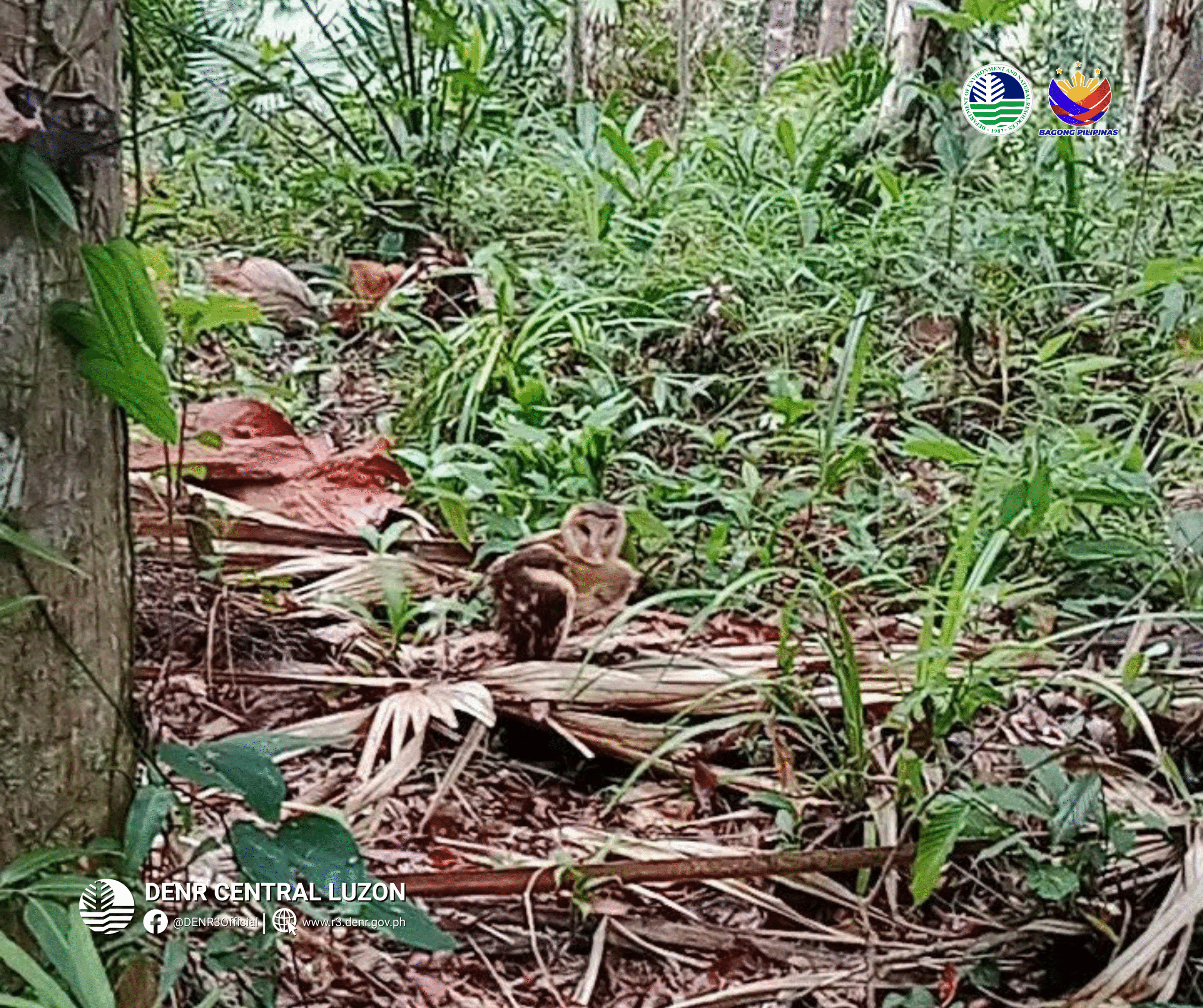
Philippine Grass Owl Rescued, Returned to Aurora Forest
A Philippine Grass Owl, rescued in Dilasag, Aurora, has been safely returned to its natural forest habitat after being assessed and found healthy. The incident highlights the importance of community cooperation in wildlife conservation.
OLONGAPO CITY — A Philippine Grass Owl (Tyto longimembris) was rescued and released back into its natural habitat in Dilasag, Aurora, after a resident voluntarily turned over the bird to authorities. In a statement on Thursday, the Department of Environment and Natural Resources (DENR) Region 3 said the owl was initially turned over to the Dilasag Municipal Police Station, which immediately coordinated with its Community Environment and Natural Resources Office (CENRO) in Casiguran for its proper assessment and handling. According to Casiguran Community Environment and Natural Resources Officer Ariel Mendoza, Wildlife Enforcement Officers examined the owl and found it healthy and free from injuries. “Following a thorough assessment, we confirmed that the Philippine Grass Owl was in stable condition and free from injuries,” said Mendoza. “On the same day, we immediately released it back into its natural habitat within the forested area of Barangay Dicabasan, Dilasag, Aurora, to ensure its safety and allow it to continue performing its ecological role in the wild,” Mendoza added. The Philippine Grass Owl is a native nocturnal bird that inhabits grasslands, agricultural areas, and open woodlands. It feeds primarily on rodents and other small mammals, helping control pest populations and maintain ecological balance. The species is classified as “Least Concern” under DENR Administrative Order No. 2019-09, or the Updated National List of Threatened Philippine Fauna and Their Categories. However, DENR officials said native wildlife remains protected and plays an important role in maintaining healthy ecosystems. DENR Regional Executive Director Ralph Pablo commended the resident for turning the owl over to authorities. He urged the public to report injured, stranded, or illegally possessed wildlife, as well as illegal wildlife collection, transport and trade, to the nearest DENR office or to law enforcement agencies. “The cooperation of communities is essential in protecting our country’s rich biodiversity. Every responsible action, from reporting wildlife sightings to surrendering wild animals to the proper authorities, helps ensure that these species remain safe in their natural habitats for future generations,” Pablo said./coa
多角的分析
このニュース自体に直接的な経済的影響は限定的ですが、フィリピン・グラスオウルが害獣駆除に貢献する役割を持つことは、農業分野における間接的な経済的利益を示唆します。 pestsの制御は、農作物被害の軽減につながり、農家の収入安定に寄与する可能性があります。また、野生生物保護活動への投資は、エコツーリズムの発展や、環境保全に関連する雇用創ちにつながる可能性もあります。
この特定のニュースは、直接的な投資機会を示すものではありません。しかし、フィリピンにおける野生生物保護への関心の高まりは、環境・社会・ガバナンス(ESG)投資の観点から、持続可能な事業展開を目指す企業にとって、フィリピン市場への投資を検討する際のポジティブなシグナルとなり得ます。環境保護への意識は、企業のブランドイメージ向上や、長期的な事業継続性にも影響を与えます。
地域住民が野生生物保護に自発的に協力する姿勢は、フィリピン社会における環境意識の高まりを示しています。特に、フィリピン・グラスオウルが農作物を食い荒らすネズミを捕食する益鳥であるという認識は、人間と野生生物が共存する重要性を浮き彫りにします。DENRの広報活動は、国民一人ひとりの行動が、国の生物多様性保全に貢献できることを示しており、これは地域社会の連携強化にも繋がります。一方で、野生生物の保護区や生息地の開発による摩擦は、今後も潜在的な課題として存在し得ます。
この事例は、市民が環境保護に積極的に貢献できることを示しています。フクロウを保護し、当局に引き渡した住民の行動は、フィリピン市民の環境に対する責任感と、野生生物への配慮を浮き彫りにします。DENRのラルフ・パブロ執行官が強調したように、市民一人ひとりの「責任ある行動」が、国の豊かな生物多様性を守る上で極めて重要です。これは、地方自治体や環境保護団体との連携を強化し、より広範な環境保護運動へと繋がる可能性を秘めています。
背景・歴史的文脈
フィリピンは、世界有数の生物多様性を誇る国ですが、開発、違法伐採、密猟などにより、多くの固有種が絶滅の危機に瀕しています。環境天然資源省(DENR)は、国内の動植物を保護するための法整備や啓発活動を行っていますが、広大な国土と限られたリソースの中で、その執行には課題も抱えています。地域住民の自発的な協力は、こうした政府の取り組みを補完する重要な要素であり、過去にも同様の野生生物保護の成功事例が報告されています。これは、フィリピンにおける環境保護意識の成熟度を示す指標とも言えます。
原文ソース
Inquirer NewsInfo