General articles are free for 24 hours after publish.
Cambodia Enhances Disaster Response Training Amidst Climate Concerns
Kampong Chhnang province in Cambodia has conducted disaster response training for the implementation of a government-led social assistance program. The initiative aims to strengthen preparedness for floods and droughts caused by extreme weather events, mitigate resident impact, and facilitate recovery. It also considers international responses to climate change.
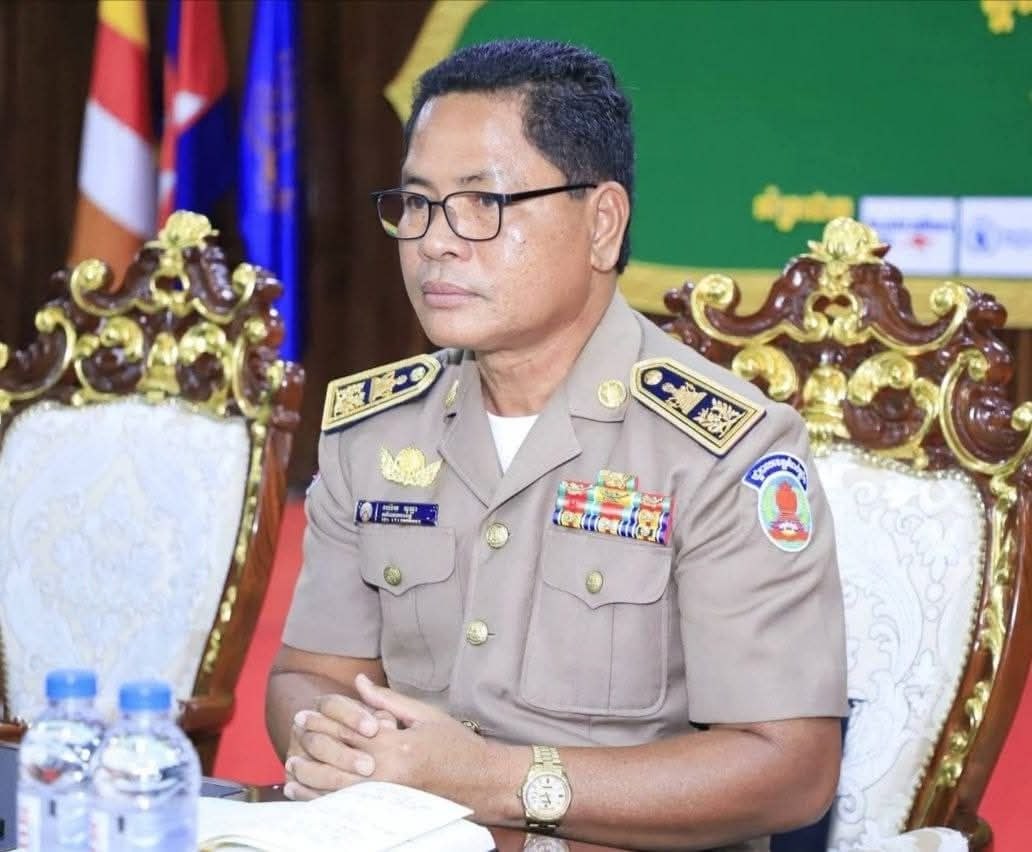
Kampong Chhnang province in western Cambodia has conducted a training session focused on the implementation of the government's social assistance program, aimed at enhancing disaster response capabilities. The event took place on September 11, 2026, at the provincial hall. Present at the ceremony were Mr. Chim Vutha, Deputy Governor of Kampong Chhnang province, Mr. Song Dine, Director of Finance at the National Social Assistance Fund, and Mr. Chheang Chanthy, Head of the Provincial Department of Social Affairs, Veterans and Youth Rehabilitation, along with representatives from relevant ministries, municipal and district authorities, commune chiefs, village chiefs, and officials responsible for the program. In his address, Deputy Governor Chim Vutha emphasized the Royal Government's commitment to promptly responding to various natural disasters. He highlighted the need to strengthen the capacity of authorities, civil society, and citizens regarding knowledge in disaster risk reduction and self-help, as well as assisting those around them during emergencies. He further noted that droughts and floods could occur towards the end of the year. He explained that prolonged dry spells followed by delayed rains, or late-season rainfall, can affect millions of people and cause significant losses to agricultural production. Despite existing challenges faced by the Disaster Management Committee in providing assistance to residents at the local level, he assured that the committee's teams continue to provide knowledge and training to prepare for such emergencies. The Deputy Governor also advised that all working groups must pay close attention to epidemic diseases and climate change, which can make people more vulnerable to outbreaks. He specifically mentioned water-borne diseases like malaria, dengue fever, and avian influenza. Therefore, he stressed the importance of mechanisms for food reserves and livelihood recovery for citizens affected by disasters. By: Bai Sithon © All rights reserved by Agence Kampuchea Presse 2018
Original source
AKP Khmer