General articles are free for 24 hours after publish.
Heavy Rainfall Warning Persists in 23 Areas Across Luzon, Antique Due to Southwest Monsoon
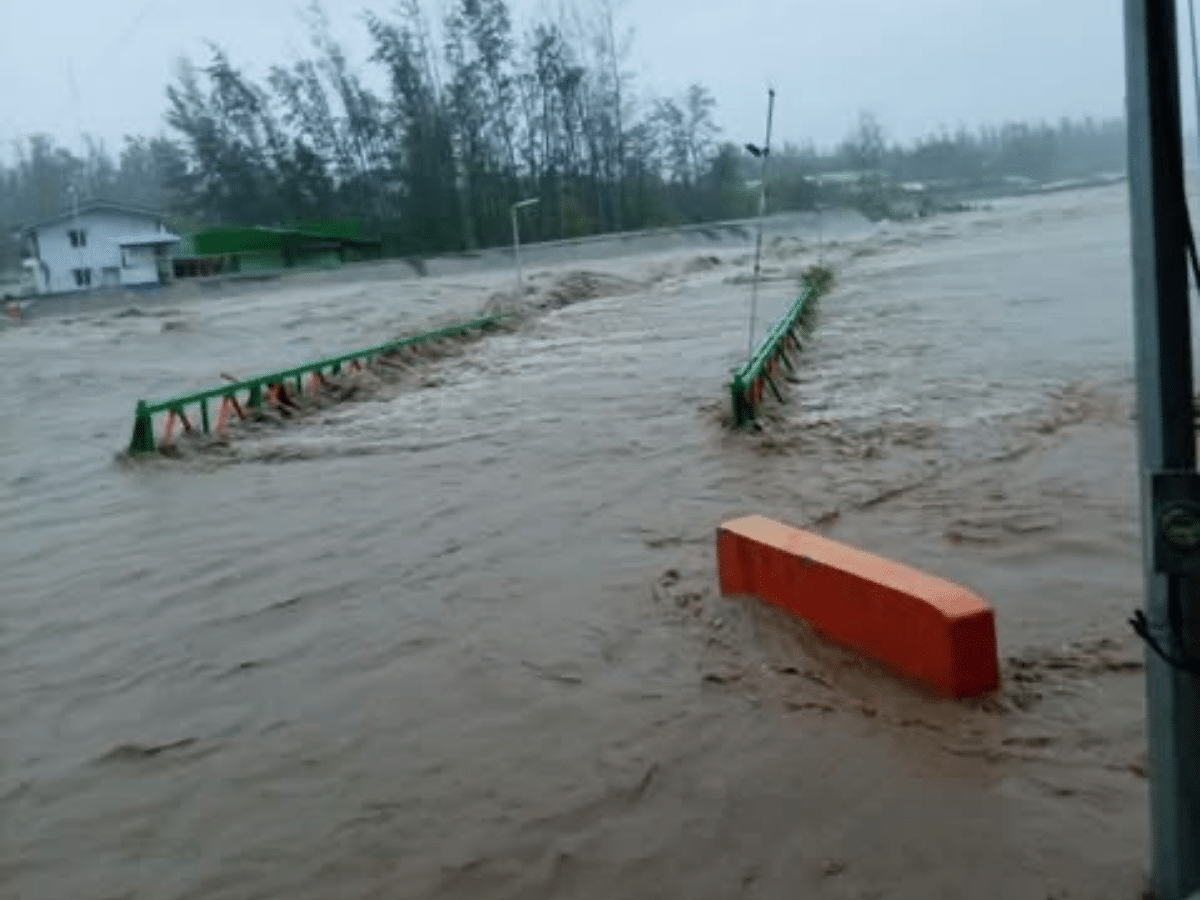
The Philippine Atmospheric, Geophysical and Astronomical Services Administration (Pagasa) has maintained heavy rainfall warnings in 23 areas across Luzon, including Metro Manila, and Antique province due to the effects of the southwest monsoon, locally known as 'habagat.'
MANILA, Philippines — Due to the effects of the southwest monsoon or “habagat,” state meteorologists warned of heavy rains in 23 areas in Luzon, including Metro Manila, and the province of Antique on Sunday. In its 11 a.m. weather advisory, the Philippine Atmospheric, Geophysical and Astronomical Services Administration (Pagasa) maintained its red rainfall warning over these areas. Pagasa said that continuous heavy rains are expected in the affected localities, which could lead to flooding and landslides. Residents were advised to be vigilant against rising river levels, low-lying area inundations, and potential soil erosion. The southwest monsoon is a weather system that brings rain to the Philippines from June to October. It is characterized by strong winds blowing from the southwest, which carry moisture from the ocean and cause heavy rainfall. The government has been implementing various measures to mitigate the impact of natural disasters, including the development of early warning systems, the construction of flood control infrastructure, and the relocation of communities living in hazard-prone areas. However, the frequency and intensity of extreme weather events have been increasing in recent years, posing a significant challenge to the country's disaster risk reduction and management efforts. The Philippines is one of the countries most vulnerable to climate change, with its long coastlines and archipelagic nature making it susceptible to typhoons, storm surges, and sea-level rise. The government has been calling for greater international cooperation and financial assistance to address the impacts of climate change.
Original source
Inquirer NewsInfo