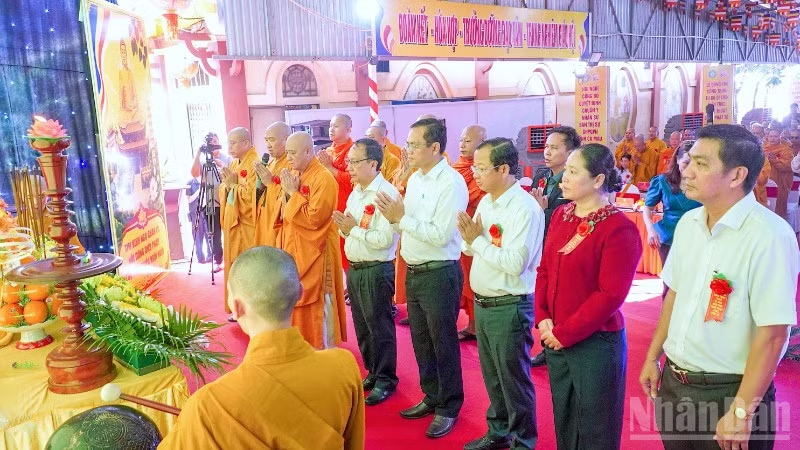
Ca Mau Province Begins Renovation of National Heritage Site 'Phat To Pagoda'
Ca Mau Province in southern Vietnam held a groundbreaking ceremony on July 16 for the renovation of Phat To Pagoda, a national-level artistic architectural heritage site. This initiative aims to protect local cultural heritage and boost tourism.
Ca Mau Province in southern Vietnam has commenced renovation work on Phat To Pagoda (Chùa Phật Tổ), designated as a national-level artistic architectural heritage site. A grand groundbreaking ceremony was held on July 16, organized by the provincial People's Committee. This renovation of Phat To Pagoda is positioned as part of Ca Mau Province's efforts to protect cultural heritage and promote regional culture. In recent years, the province has been undertaking various initiatives to link cultural heritage with the revitalization of the local economy, and the current renovation of Phat To Pagoda is part of these efforts. Ca Mau Province has previously focused on maintaining and developing regional culture, including rediscovering cultural values represented by the 'Rice Ear Symbol,' integrating technology with culture and ecology, and organizing visits and gift-giving by officials during the Khmer New Year (Tết Chôl Chnăm Thmây) for the Khmer ethnic community. The province has also announced plans to organize events such as the Heritage Day event and the first Hot Air Balloon Festival, demonstrating an active approach to attracting tourism by leveraging cultural resources. The renovation of Phat To Pagoda is expected to be a crucial step not only in restoring a religious facility but also in passing on Ca Mau Province's rich cultural heritage to future generations and attracting domestic and international tourists. This is anticipated to contribute to the revitalization of the local economy and the strengthening of cultural identity.
多角的分析
カマウ省の仏祖寺改修は、地域経済活性化のテコ入れ策として捉えられる。ベトナム全体が製造業中心の成長から、サービス業や文化観光へのシフトを模索する中で、地方都市も独自の文化資源を掘り起こし、観光客誘致に力を入れている。仏祖寺のような歴史的建造物の修復・整備は、インフラ整備と並行して進められることで、新たな観光ルートの形成や地域雇用の創出につながる可能性がある。しかし、その効果は、周辺インフラ(交通網、宿泊施設など)の整備状況や、効果的なプロモーション戦略に大きく依存する。
今回の仏祖寺改修は、直接的な投資機会というよりは、カマウ省の文化観光セクターへの間接的な関心を高めるものと見られる。投資家は、こうした文化遺産保護・活用プロジェクトが、地域経済の持続的な成長にどれだけ貢献するかを注視するだろう。特に、改修後の観光客増加見込みや、それに伴う宿泊施設、飲食、土産物店などの関連ビジネスへの波及効果が評価のポイントとなる。ベトナム政府が推進する文化観光振興策全体の中で、カマウ省の取り組みがどのように位置づけられるかも重要である。
仏祖寺の改修は、地域住民にとって、自分たちの文化遺産が大切にされ、保存されることへの誇りにつながる。特に、長年地域に根付いてきた仏祖寺は、信仰の対象であると同時に、地域コミュニティの精神的なよりどころでもある。改修工事の過程や、その後の寺院の活用方法によっては、地域住民の生活様式や地域への愛着に影響を与える可能性がある。また、観光客増加に伴う地域社会への影響、例えば交通渋滞やゴミ問題、文化的な摩擦なども考慮されるべき点である。
カマウ省の市民、特に仏祖寺周辺に住む人々にとって、この改修は長年の願いであったかもしれない。仏祖寺は単なる寺院ではなく、地域住民の信仰と生活に深く根差した存在である。改修によって寺院がより美しく、訪れやすい場所になることは喜ばしいだろう。一方で、観光客の増加は、静かな日常に変化をもたらす可能性もある。地元住民は、伝統的な生活様式と、増加する観光客との調和をどのように図っていくか、という課題に直面するかもしれない。
背景・歴史的文脈
ベトナム共産党一党体制下では、文化遺産の保護・活用は、国民統合とナショナル・アイデンティティ強化、そして地方経済の活性化を目的とした国家戦略の一環として位置づけられている。特に、経済成長が都市部に集中しがちな中で、地方の文化資源を掘り起こし、観光資源として開発することは、地域間の経済格差是正にもつながると期待されている。カマウ省は、メコンデルタ地域の最南端に位置し、独自の文化を持つ地域であり、近年、ベトナム政府はこうした地方の文化遺産を積極的に保護・活用する方針を打ち出している。
原文ソース
Nhan Dan