Sin Tax Hike Urged to Protect Youth from Vices, Health Issues
Health advocates and lawmakers are pushing for higher 'sin taxes' on alcohol, sweetened beverages, and tobacco products in the Philippines, citing rising rates of youth vices, obesity, and stunting. The move aims to fund health programs and curb unhealthy habits.
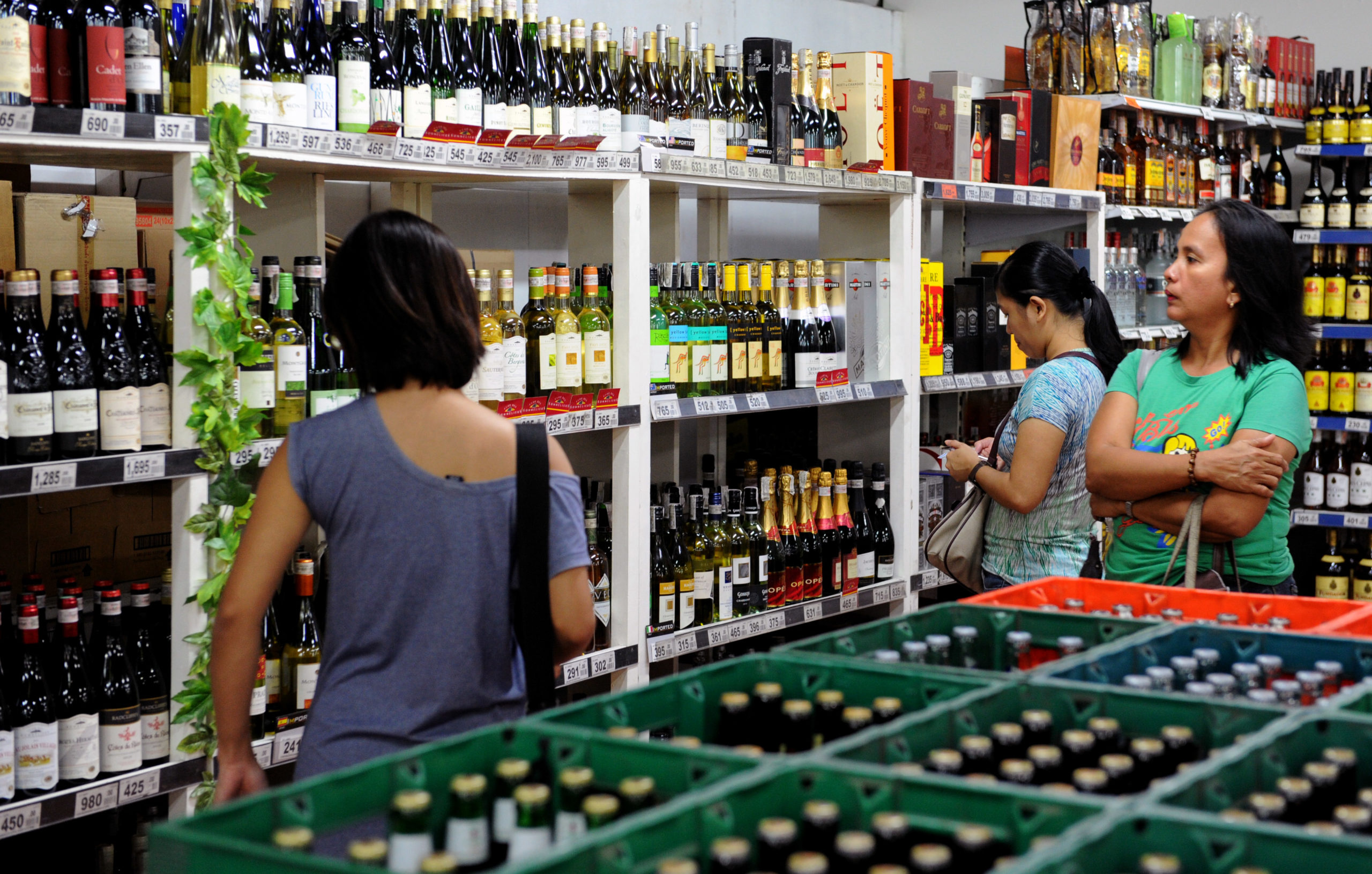
Calls are mounting in the Philippines to increase the excise taxes imposed on alcohol, sweetened beverages, and tobacco products, collectively known as 'sin taxes,' as a measure to curb the rising prevalence of unhealthy habits among the youth. Health advocates and lawmakers are urging President Marcos to implement stronger taxation policies, asserting that current preventive measures are insufficient. During a press briefing, members of the 'Youth for Health' coalition implored the government to allocate greater funding for health programs targeting young people. The group expressed concerns over the escalating rates of stunting and obesity nationwide, highlighting the high consumption of alcohol and prevalence of smoking among the youth, alongside the increasing use of e-cigarettes, which many mistakenly believe are safer than traditional tobacco products. Cielo Magno, an economics professor at the University of the Philippines (UP), explained that raising sin taxes would generate much-needed revenue for health programs, particularly for expanding the benefits offered by the Philippine Health Insurance Corp. (PhilHealth). "Taxes serve two functions. One is to discourage the behavior of smoking and alcohol drinking. Second, it generates revenue," Magno stated, adding, "Sin taxes are the primary sources of revenue for PhilHealth." Citing findings from the 2025 Updating Survey by the Department of Science and Technology’s Food and Nutrition Research Institute (DOST-FNRI), Magno noted that stunting among Filipino children below five years old climbed to 25.3 percent last year, a 1.7 percent increase from 2023. "There are already many scientific studies showing that they are less likely to finish their education if they are stunted," she warned. "Imagine, if 25 percent of our youth is stunted and we do not reverse that, then 25 percent will not even finish high school, and that’s your workforce." The DOST-FNRI report also indicated that the percentage of smokers and alcohol drinkers among Filipino adolescents, aged 10 to 19, remained largely unchanged. It found that 4.5 percent of adolescents were smoking on a daily or regular basis, while 22.3 percent were current alcohol drinkers in the past 12 months. "We already have sin taxes, but I think our government needs to realize that when incidence of smoking … and alcohol drinking are increasing, it means the current rate of taxes is no longer effective," Magno observed. The coalition urged the President to prioritize House Bills Nos. 5966, 5475, and 5476, which aim to increase taxes on distilled spirits by 25 percent year-on-year and on fermented liquors or 'alcopops' by 10 percent year-on-year for five years. These proposals are estimated to generate approximately P206 billion in total incremental revenue over five years. Furthermore, the health advocates expressed support for House Bills 5003 and 5969, which seek to increase taxes on sweetened beverages. These measures would raise taxes on caloric sweeteners from P6 to P20 per liter and on high fructose corn syrup from P12 to P40 per liter. The same bills also aim to remove tax exemptions for flavored and fermented milk, and sweetened coffee. These initiatives are projected to generate an estimated P80.9 billion in total incremental revenue over five years.
多角的分析
罪の税金(sin tax)の引き上げは、フィリピン経済において二重の目的を持つ。第一に、アルコール、甘味飲料、タバコといった健康を害する可能性のある製品の消費を抑制することで、国民の健康増進に寄与し、長期的な医療費負担を軽減する効果が期待される。第二に、これらの税金は政府の歳入を増加させ、特にフィリピン保健保険公社(PhilHealth)のような公的医療保険制度の財源を強化する。これは、医療サービスへのアクセス改善や給付内容の拡充に繋がりうる。しかし、税率の引き上げは、低所得者層にとってこれらの製品の価格上昇が家計を圧迫する可能性も指摘されており、その影響を考慮した政策設計が求められる。
罪の税金引き上げの動きは、関連業界、特に飲料メーカーやタバコ会社にとって直接的なリスク要因となる。税率の上昇は製品価格の上昇を招き、消費者の購買意欲を減退させる可能性があるため、これらの企業の収益性や市場シェアに影響を与えうる。一方で、健康志向の高まりや、代替製品へのシフトを促す可能性もある。投資家は、これらの企業の短期的な業績への影響だけでなく、長期的な市場トレンドや規制動向を注視する必要がある。また、増税によって得られる歳入が、国民の購買力向上や健康増進に繋がることで、間接的に新たな消費市場を生み出す可能性も考慮すべきである。
若年層における低身長(stunting)や肥満の増加は、単なる健康問題にとどまらず、将来の人的資本の質に深刻な影響を与える。低身長の子供は教育の機会を逸しやすく、結果として学習達成度が低下し、将来の労働力としての能力が制限される。これは、個人の人生設計だけでなく、国家全体の経済成長ポテンシャルにも影響を及ぼす。また、若者の飲酒や喫煙、電子タバコの使用は、依存症や将来的な健康問題のリスクを高める。これらの問題に対処するため、税金引き上げによる財源確保と並行して、学校教育や地域社会における包括的な健康教育プログラムの強化が不可欠である。例えば、マニラ首都圏の学校で栄養指導を強化したり、地方都市で若者向けの健康相談窓口を設置したりすることが考えられる。
この記事の市民への直接的な影響は、まず、アルコール飲料、甘味飲料、タバコ製品の価格上昇という形で現れる。特に低所得者層にとっては、これらの必需品ではないものの、日常的に消費される可能性のある製品の価格上昇は家計を圧迫する要因となりうる。一方で、政府が税収を健康プログラムに充当することで、将来的に医療サービスへのアクセスが改善されたり、子供たちの健康状態が向上したりする恩恵を受ける可能性もある。しかし、その恩恵が具体的にいつ、どの程度現れるかは不透明であり、短期的な家計への負担増とのバランスが問われる。例えば、マニラ首都圏のサラリーマンは、毎日のコーヒーやジュースの購入費用が増えることを懸念するかもしれない。また、地方の農村部では、アルコール飲料の価格上昇が地域コミュニティの社交活動に影響を与える可能性もある。
背景・歴史的文脈
フィリピンでは、国民の健康増進と医療費負担軽減のため、過去にも「罪の税金(sin tax)」の導入・拡充が進められてきた。2012年にはタバコ製品への課税が大幅に引き上げられ、その税収はフィリピン保健保険公社(PhilHealth)の財源に充てられている。しかし、その後も若年層における喫煙や飲酒、肥満といった健康問題は依然として深刻な課題として残っており、今回の提案は、これらの問題への対策が追いついていないという認識に基づいている。特に、低身長(stunting)の増加は、子供たちの長期的な健康と発達に影響を与えることが懸念されており、栄養改善や健康教育への投資の必要性が高まっている。
原文ソース
Inquirer NewsInfo