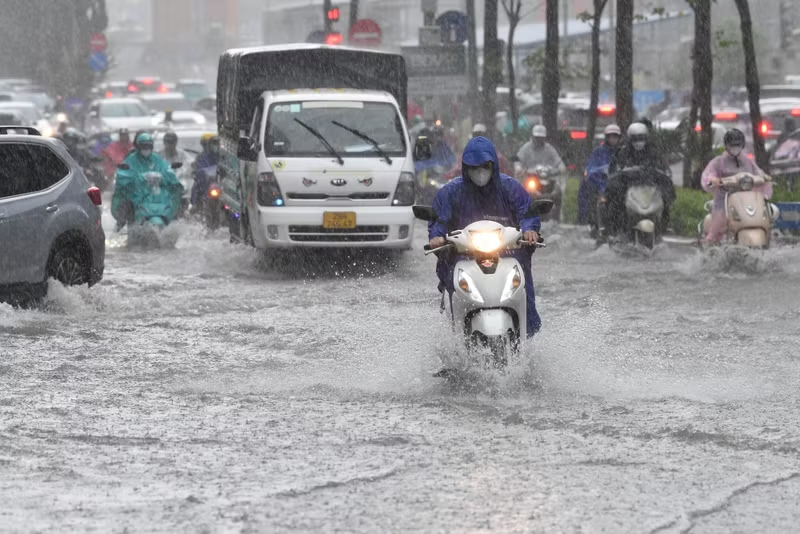
Northern Vietnam Braces for Heavy Rains, Landslides, and Flooding; Central and Southern Regions Face Heat and Localized Showers
On July 10th, heavy rains persist in Northern Vietnam, increasing the risk of landslides and localized flooding. Meanwhile, the Central region continues to experience heatwaves, with thunderstorms expected in the afternoon and evening in the Central Highlands and Southern regions.
Heavy rains are expected to continue across a wide area of Northern Vietnam on July 10th. Particularly in some regions, extremely heavy rainfall is anticipated, necessitating vigilance against flash floods, landslides, and localized flooding. In recent days, weather patterns have been unstable across various parts of Vietnam. On July 9th, the North experienced rain and thunderstorms, while the Central region faced intensely hot weather. On July 8th, many areas nationwide saw sunny spells during the day, followed by rain and thunderstorms in the afternoon and evening. On July 7th, the North was sunny during the day but experienced rain showers in the evening and at night. These adverse weather conditions have already caused damage in several localities. For instance, in Dien Bien province, recent rains, floods, and landslides resulted in damages of approximately 8 billion Vietnamese Dong. Son La province suffered over 2.4 billion Vietnamese Dong in damages due to strong winds and heavy rainfall. In the capital, Hanoi, widespread rain led to flooding in some areas. Meanwhile, the Central region continues to endure heatwaves, with some days recording record high temperatures. The Central Highlands and Southern regions may experience thunderstorms in the afternoon, with potential for localized heavy downpours. Vietnam is a country highly susceptible to the impacts of climate change in many regions throughout the year, with risks of natural disasters escalating during the rainy season. While the government strives to enhance disaster preparedness and provide information to residents, preventing widespread damage remains a significant challenge.
多角的分析
ベトナム北部で頻発する集中豪雨とそれに伴う土砂災害・洪水は、農業、インフラ、そして地方経済に直接的な打撃を与えます。過去の事例(ディエンビエン省、ソンラ省での被害額)からも、インフラ復旧や農作物への被害補償には多額の公的資金が必要となり、経済成長の足かせとなる可能性があります。特に、サプライチェーンの寸断は、製造業や輸出産業にも影響を及ぼしかねません。
ベトナム北部における自然災害リスクの増加は、インフラ関連企業や、物流・サプライチェーンに依存する製造業への投資リスクを高めます。短期的な事業継続性への懸念に加え、長期的なインフラ投資の必要性も浮上します。一方で、災害復旧やインフラ強化に関連する建設・エンジニアリング企業には、新たなビジネスチャンスが生まれる可能性も考えられます。
北部山岳地帯では、雨季の集中豪雨が土砂災害や洪水を引き起こし、住民の生活基盤を脅かしています。ディエンビエン省やソンラ省での被害は、農村部における脆弱性を示しています。また、ハノイ市での局地的な浸水は、都市部においてもインフラ整備の遅れや都市計画の課題を浮き彫りにしています。住民は、家屋の被害、農作物の損失、そして避難生活といった直接的な影響に直面しています。
ベトナム北部、特に山間部や河川沿いの地域に住む住民は、雨季の到来とともに土砂災害や洪水への不安を抱えています。過去の被害事例(ディエンビエン省、ソンラ省)は、彼らが毎年直面する現実です。ハノイなどの都市部でも、突然の豪雨による浸水は、通勤や生活に支障をきたし、インフラへの不満を高める要因となり得ます。住民は、直接的な被害だけでなく、生活再建への道のりにも苦慮しています。
背景・歴史的文脈
ベトナムは、南北に細長い国土を持ち、気候帯が多様である。特に北部山岳地帯は、急峻な地形と集中的な降雨により、古くから土砂災害や洪水のリスクが高い地域である。近年、気候変動の影響とされる異常気象(集中豪雨、猛暑)が頻発しており、過去の被害事例(ディエンビエン省、ソンラ省)は、その深刻化を示している。政府は、防災インフラの整備や避難計画の策定を進めているが、広範囲かつ急激な自然災害への対応は、依然として大きな課題となっている。都市部においても、急速な都市化に伴う排水インフラの整備遅れが、局地的な浸水被害を増幅させている。
原文ソース
Nhan Dan