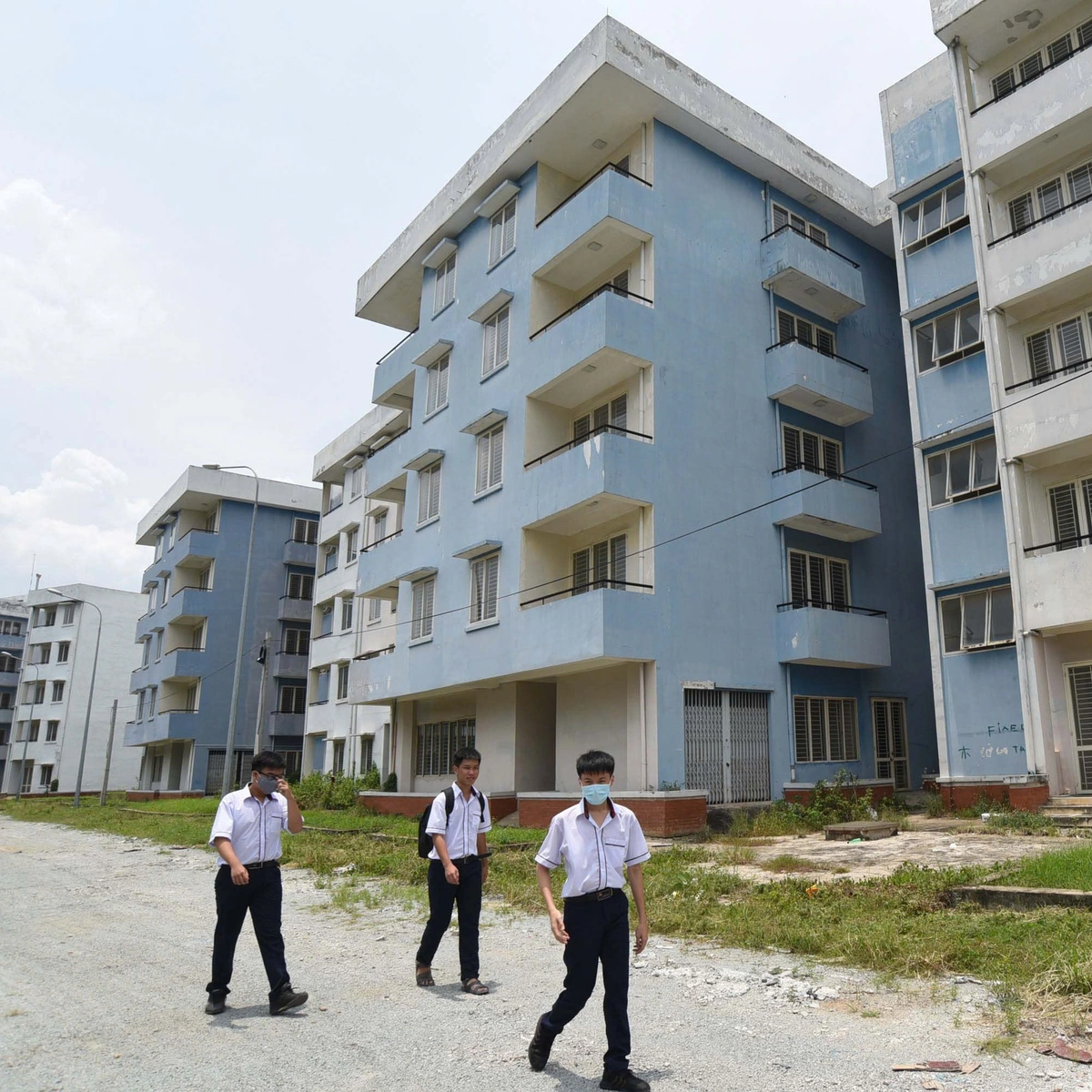
Ho Chi Minh City Proposes Converting Vacant Resettlement Housing to Affordable Rentals
Facing increasing housing demand amid limited land and capital, Ho Chi Minh City has proposed converting unused resettlement housing units into affordable rental housing. This initiative could mark a new step towards addressing urban housing challenges.
Ho Chi Minh City has proposed a plan to convert unused resettlement housing units into social housing (affordable rental housing), addressing the growing housing demand amid limited land and capital. This move could represent a significant step towards resolving housing issues in Vietnam's economic hub. Vietnam is experiencing a surge in housing demand, particularly in major urban areas, driven by rapid urbanization and economic growth. However, land supply is constrained, and new housing development requires substantial capital, making it a significant challenge to provide housing at affordable prices. Securing housing in urban areas is becoming increasingly difficult, especially for low-income individuals and young people. The proposal suggests repurposing resettlement housing units, originally built for residents displaced by development projects but currently unused for various reasons, into affordable rental social housing. This approach is expected to increase housing supply by utilizing existing infrastructure and reducing new construction costs. Under Vietnam's one-party system, policy decisions can be made swiftly, and if this proposal is realized, it could bring about significant changes to the urban housing landscape. However, details regarding the implementation of this proposal, such as the scale of housing to be converted, rental pricing, and eligibility criteria for residents, have not yet been clarified. The reactions of existing residents and stakeholders to the repurposing of resettlement housing into social housing also warrant close observation. Ho Chi Minh City plays a crucial role in driving Vietnam's economic growth, and resolving its housing issues is essential for domestic economic stability and sustainable social development. This proposal is being closely watched as an innovative approach to this complex challenge.
多角的分析
ホーチミン市が提案する移転用住宅の社会住宅への転用は、既存インフラの活用により新規建設コストを抑制しつつ、住宅供給を増やすという点で経済合理性が高い。ベトナム経済は急速な成長を続ける一方、都市部への人口流入により住宅価格の高騰が社会問題化しており、手頃な価格の住宅供給は消費者の購買力維持や労働力確保に不可欠である。この政策が実現すれば、建設・不動産セクターへの直接的な投資は抑制されるものの、低所得者層の居住安定化を通じて、広範な消費活動の活性化に寄与する可能性がある。ただし、転用される住宅の品質維持や管理コスト、そして適正な賃料設定が、その経済的効果を左右する鍵となる。
この提案は、大規模な新規不動産開発への直接的な投資機会を求める投資家にとっては、即座に大きな恩恵をもたらすものではないかもしれない。しかし、既存の建物を活用するアプローチは、リノベーションや施設管理サービスを提供する企業にとっては新たなビジネスチャンスとなりうる。また、社会住宅への投資は、ESG投資の観点からも注目される可能性がある。ベトナム政府が今後、社会住宅の運営や管理に関する公的・民間のパートナーシップを推進する場合、長期的な視点を持つ投資家にとっては、安定した収益源となる可能性も秘めている。ただし、政府の政策変更リスクや、管理体制の不透明性は依然としてリスク要因として考慮する必要がある。
ホーチミン市で提案されている移転用住宅の社会住宅への転用は、都市部で住宅難に苦しむ低所得者層や若年労働者にとって、生活の基盤を築く上で大きな希望となる。特に、住宅費が収入の大部分を占める人々にとって、手頃な賃料で安全な住居を確保できることは、教育や医療へのアクセス改善、さらには将来への貯蓄を可能にする。一方で、移転用住宅の質や、入居者の選定プロセスにおける公平性・透明性が問われることになる。もし、これらの点が不十分であれば、新たな社会的な摩擦を生む可能性も否定できない。市民の生活実感として、家賃負担の軽減は、日々の生活の質を直接的に向上させる。
ホーチミン市に住む多くの市民、特に若年層や低所得者層は、高騰する家賃に苦しんでいます。今回の提案は、手頃な価格で住居を確保できる可能性を開くものであり、生活費の負担軽減に繋がるとして期待されています。しかし、転用される住宅の立地や質、そして入居者選定の公平性について、市民の間では様々な声が上がっています。特に、本来の目的であった移転対象者の権利が損なわれないか、また、本当に支援を必要としている人々に行き渡るのか、といった懸念も存在します。市民の視点からは、具体的な実施内容と透明性のある運用が求められています。
背景・歴史的文脈
ベトナムでは、1986年のドイモイ政策以降、市場経済化が進み、急速な経済成長を遂げている。これに伴い、都市部への人口集中と住宅需要の増加が顕著になった。特にホーチミン市のような大都市では、土地不足と高騰する不動産価格が深刻な社会問題となっている。過去には、開発プロジェクトに伴う移転住民のために移転用住宅が建設されてきたが、計画の遅延や住民の意向との不一致などから、未利用のまま残されるケースも少なくなかった。今回の提案は、こうした「眠っている資産」を有効活用し、住宅問題への包括的なアプローチを図るものと言える。
原文ソース
The Saigon Times