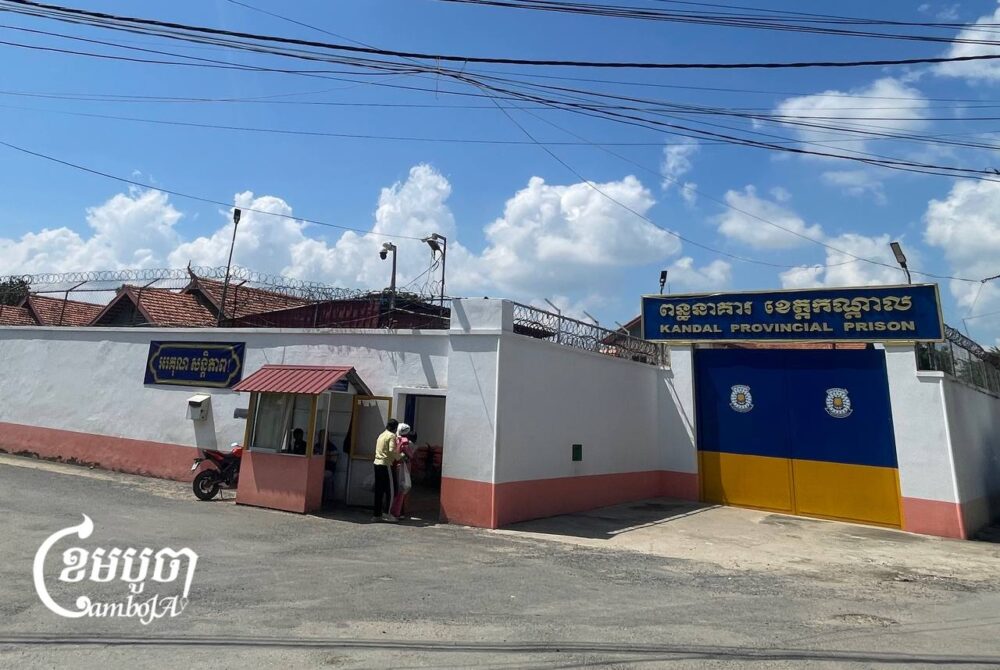
Cambodian Prisons Face Alarming Overcrowding Due to Drug Offenses and Scams
Cambodia's prison population is alarmingly high due to stricter enforcement against drug offenses, online scams, and youth gangs, leading to severe overcrowding. Inmates have significantly less living space than UN standards, raising concerns about psychological stress and security. Experts advocate for judicial reforms and rehabilitation alongside facility expansion.
Prison inmate numbers across Cambodia have reached an “alarming rate” due to stricter law enforcement targeting drug-related offenses, online scams, youth gangs, and other crimes, leading to overcrowding that a prison top official said could result in psychological stress and security concerns. In Cambodia, a prison warden supervises 20 to 25 inmates compared to only three inmates per officer in South Korea, said Chhorn Sanat, director-general of the General Department of Prisons of the Interior Ministry, on July 4. The prison population has increased steadily over the months, Sanat said, noting that total inmate numbers stood at 67,677 inmates, including 4,530 women, 3,047 juveniles, and 7,434 foreign nationals as of June 30, 2026. Drug-related offenses account for 51% of inmates, while 2,554 are detained in online scam cases and 3,010 for youth gang-related offenses. “In the past six months alone, the prison population has increased by nearly 5,000 people,” Sanat said. “By the end of 2028, the number of inmates could reach as many as 85,000.” He said overcrowding made it difficult to separate detainees by offense, security classification, and health status in line with legal standards, while creating security risks inside prisons. It has also required prison officers to be responsible for 20 to 25 inmates, “well above the recommended six to 10,” while each inmate has “only 1.05 square meters of living space” compared to the United Nations’ minimum standard of 3.4 square meters. “Housing large numbers of inmates in the same cell has created emotional and psychological pressure,” Sanat said, adding that some prisoners have expressed suicidal thoughts, attempted to escape, or considered prison riots. Meanwhile, Am Sam Ath, operations director of rights group Licadho, said expanding prison facilities alone failed to address the chronic overcrowding situation. Instead, he said authorities should strengthen efforts to prevent drug-related crimes, while courts limit sending people to pretrial detention, expand community service sentences, and increase conditional release for eligible inmates. Sam Ath also recommended releasing activists detained for exercising constitutionally protected freedoms. “We continue to see widespread use of pretrial detention which contributes significantly to overcrowding,” he said. “Courts should carefully assess whether defendants can remain outside prison under judicial supervision.” Interior Ministry spokesperson Touch Sokhak did not respond to CamboJA News at the time of publication.
多角的分析
カンボジア政府は、薬物犯罪やオンライン詐欺に対する厳罰化を治安維持と経済的損失の抑制策として推進していると考えられる。しかし、その結果として刑務所の過密化が進み、運営コストの増加や受刑者の再犯リスクを高める可能性が生じている。これは、社会全体の生産性や経済活動への間接的な悪影響となりうる。また、過密な刑務所環境は、受刑者の健康悪化を招き、医療費の増加にもつながる可能性がある。
カンボジアの刑務所の過密化は、直接的な投資リスクではないものの、法制度の運用や社会の安定性に対する間接的な懸念材料となりうる。特に、人権団体が指摘するように、活動家の拘束や公判前勾留の濫用は、法の透明性や公平性に対する国際的な信頼を損なう可能性がある。これは、カンボジアへの直接投資や貿易に影響を与える可能性があり、特に人権やCSR(企業の社会的責任)を重視する投資家にとっては、リスク要因として考慮されるべきである。
刑務所の過密化は、受刑者一人ひとりの居住スペースの不足(国連基準の約3分の1)や、独房に多数を収容することによる心理的・感情的ストレスを増大させている。これにより、自殺願望や脱獄企図、暴動の可能性といった深刻な問題が発生している。また、刑務官一人当たりの受刑者数が著しく高いことは、刑務官の過重労働と、受刑者への適切な監督・ケアの提供を困難にしている。これは、刑務所という閉鎖空間における人権問題として、社会的な関心を集めるべき事柄である。
カンボジア国民、特に若年層や貧困層は、薬物犯罪や軽微な犯罪で逮捕・収監されるリスクに直面している。厳罰化は、犯罪抑止効果よりも、むしろ多くの人々を社会から隔絶させ、家族の経済的基盤を揺るがす可能性がある。また、過密な刑務所から釈放された受刑者が、社会復帰の支援なしに再び犯罪に手を染めるリスクも高まる。これは、治安の悪化という形で、一般市民の生活にも影響を及ぼす可能性がある。
背景・歴史的文脈
カンボジアでは、1990年代のポル・ポト政権崩壊後、法の支配の確立と治安維持が喫緊の課題となった。近年、政府は麻薬犯罪やオンライン詐欺に対する取り締まりを強化し、厳罰化を進めてきた。これは、国内の犯罪率低下や、中国からの投資誘致における治安の安定化を目的としていると考えられる。しかし、その結果として、刑務所の収容能力を超えた受刑者が増加し、過密状態という新たな問題が生じている。人権団体は、公判前勾留の長期化や、政治的理由による拘束も過密化の一因であると指摘している。
原文ソース
CamboJA News