Ho Chi Minh City Pioneers Innovation, Driving National Growth: Official
Ho Chi Minh City is driving national development by pioneering innovation as a key engine for economic growth. The city, with its diverse landscape from agriculture to industry and tourism, has been at the forefront of Vietnam's 'Doi Moi' reforms. Future development hinges on attracting both domestic and foreign investment and strengthening national capabilities.
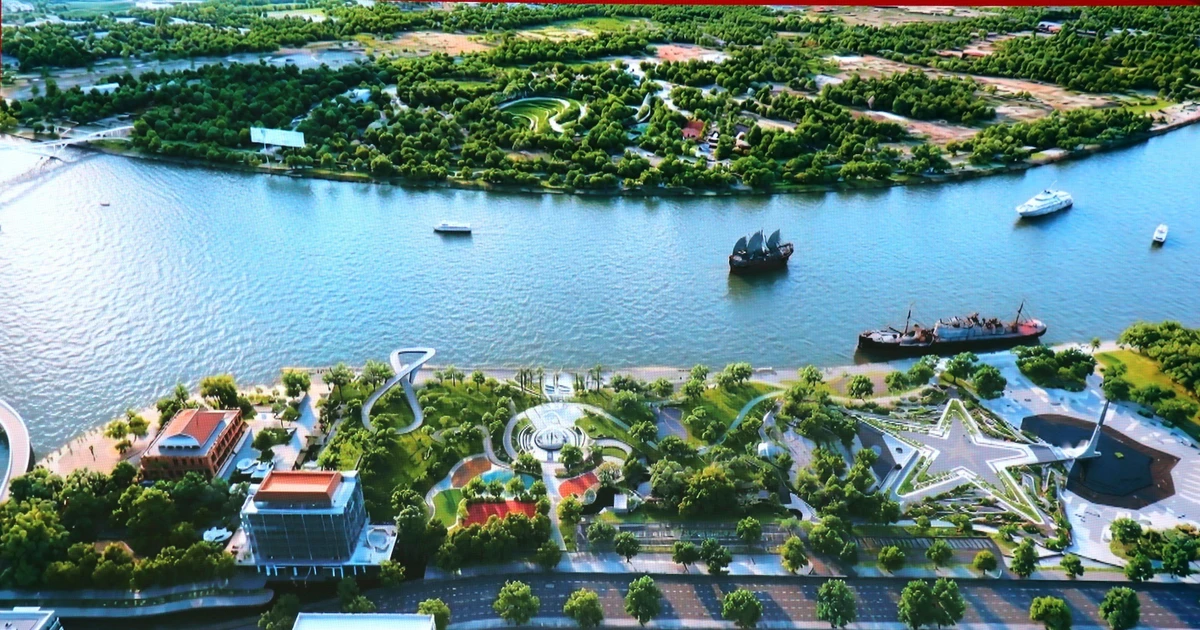
Ho Chi Minh City is pioneering innovation, serving as a crucial engine for national growth, officials have announced. The city boasts diverse landscapes, ranging from agricultural and eco-tourism areas to industrial zones, logistics hubs, coastal urban centers, and protected natural environments, each contributing its unique character. Fifty years after being named in honor of President Ho Chi Minh, the former Sai Gon – Gia Dinh Area has undergone a remarkable transformation from a city forged in war into Vietnam's leading economic hub and the cradle of the country's renewal process and pioneering reforms. The name is not only a historical legacy but also a symbol of the people's enduring aspirations, representing a half-century journey from the will of the people to the century-long vision of the city bearing President Ho Chi Minh’s name. Deputy Prime Minister Pham Thi Thanh Tra stated that the three-tier administration model has opened up new development space and strategic vision for national development in the new era, bringing significant changes in awareness, leadership methods, governance approaches, operational mechanisms, and implementation capacity. Nguyen Duy Ngoc, Politburo member and Secretary of the Party Central Committee, added that the reform has marked a qualitative shift in national governance towards a more modern, efficient, and service-oriented administration. Vietnam's development goals for 2030, with a vision to 2045, require foreign affairs and international integration to become more proactive, with stronger forecasting capacity, timely and accurate policy advice, and swift action. This necessitates the entire political system, the business community, and both domestic and foreign investors to work together to effectively implement Resolution 10, translating its policies into high-quality projects, stronger enterprises, new value chains, quality jobs, and enhanced national capabilities. While attracting international resources was the central priority over the past nearly four decades, the next phase will focus on enhancing the effectiveness of those resources in synergy with domestic capacities to strengthen development capabilities, economic resilience, and national competitiveness, indicating a fundamental transformation in Vietnam’s approach.
多角的分析
ホーチミン市の革新推進は、ベトナム経済の構造的転換と連動している。過去の「ドイモイ」政策以降、同市は外資誘致の最前線であったが、今後は国内能力とのシナジーを重視し、付加価値の高い産業育成と競争力強化を目指す。これは、単なる経済成長から、より持続可能でレジリエントな経済モデルへの移行を示唆しており、サプライチェーンの再編や技術革新への投資が加速する可能性がある。特に、グローバル経済の不確実性が高まる中、国内基盤の強化は経済安全保障の観点からも重要視されている。
ホーチミン市における革新主導の成長戦略は、投資家にとって新たな機会とリスクの両方をもたらす。政府が国内能力との相乗効果を強調する点は、単なる低コスト労働力への依存から脱却し、技術力やイノベーション能力を持つ企業への投資妙味が増すことを意味する。しかし、政策の具体的内容や実施能力、そして国内企業との連携の円滑さが、投資判断の鍵となるだろう。特に、インフラ整備や人材育成への投資が伴わなければ、期待される成長軌道に乗らないリスクも存在する。
ホーチミン市の多様な景観は、都市部と周辺地域の開発格差という社会的な課題を内包している。農業地域や自然環境が残る一方で、工業化や都市化が進む中で、地域間の所得格差や環境への影響が懸念される。また、行政モデルの改革は、市民サービスや行政手続きの改善に繋がる可能性があるが、その恩恵が全ての市民に行き渡るか、特に地方や低所得者層への配慮が問われる。ホー・チ・ミン主席の名を冠する都市としてのアイデンティティと、現代的な経済ハブとしての発展との調和も、市民の意識に影響を与える要素となりうる。
ホーチミン市における「革新」と「成長」という言葉は、市民にとって雇用機会の増加や生活水準の向上への期待を抱かせる。しかし、都市化の進展は、交通渋滞や住宅価格の高騰といった生活上の摩擦も生じさせている。行政モデルの改革が、市民生活に直結する行政手続きの迅速化やサービスの質向上に繋がるかどうかが、実感を伴う変化として受け止められるだろう。また、ベトナムの「ドイモイ」政策の象徴であるホーチミン市が、どのようにその歴史的遺産と現代的な発展を両立させていくのかは、市民のアイデンティティにも関わる関心事である。
背景・歴史的文脈
ベトナムの「ドイモイ」(刷新)政策は1986年に開始され、計画経済から市場経済への移行を促し、経済成長の原動力となった。ホーチミン市(旧サイゴン)は、この政策の初期から経済改革の最前線に位置づけられ、外資誘致と産業開発の中心地となった。同市は、ベトナム戦争終結後、国の統一と復興の象徴として、また経済発展の旗手として、その役割を担ってきた。近年、ベトナムは中国との関係を管理しつつ、多様な国々との外交・経済関係を強化しており、ホーチミン市の革新は、こうした国家戦略の一環として位置づけられている。
原文ソース
VietnamPlus English