General articles are free for 24 hours after publish.
Four Fault Lines That Could Shape the Trump-Xi Summit
The upcoming Trump-Xi summit is set to take place amidst domestic elections and international tensions. Four key issues—trade, Iran, Taiwan, and AI—could shape the future of U.S.-China relations.
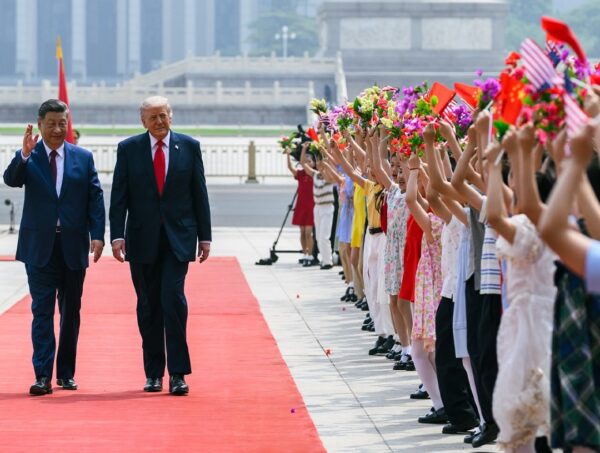
The upcoming summit between U.S. President Donald Trump and Chinese President Xi Jinping is set to take place at the White House, provided that certain "conditionalities" are met. This will be the second leaders' summit between the two this year, following Trump's visit to Beijing in May. Xi's visit marks his first to the U.S. capital in a decade, with the agenda shifting from cyberespionage to new concerns. The meeting occurs amidst considerable friction. Domestically, it precedes U.S. midterm elections by about 40 days, an unusual timing given that many Americans still view China unfavorably. Internationally, the world is under the shadow of the Iran-U.S. war, leading to high oil prices. Simultaneously, the China-Russia alignment has deepened, with Beijing reportedly underwriting Moscow's war efforts in Ukraine. While China has not officially confirmed the meeting, the U.S. has proposed September 24. Reports suggest Beijing might cancel if Washington approves a $14 billion arms sale to Taiwan. While modest tangible outcomes are expected, four key issues are of particular interest. First is the tariff question. The one-year truce in the trade war, agreed upon last October, expires in November. The rare earth element deal within this truce is fragile, and the U.S. may use new tariffs as leverage. Second is Iran. China is Iran's largest trading partner, and Washington is pressuring those who "enabled" Tehran's actions. Third is Taiwan. U.S. arms sales to Taiwan have long been a point of contention. Trump's willingness to view these sales as a "negotiating chip" is significant for Beijing, potentially impacting regional security beyond Taiwan. Fourth is AI. The U.S. has restricted advanced AI chip exports to China, though the Trump administration briefly showed a willingness to ease these controls. This policy fluctuation has raised national security concerns. These issues highlight the complexity of U.S.-China relations and their implications for the future international order.
Original source
The Diplomat Indonesia