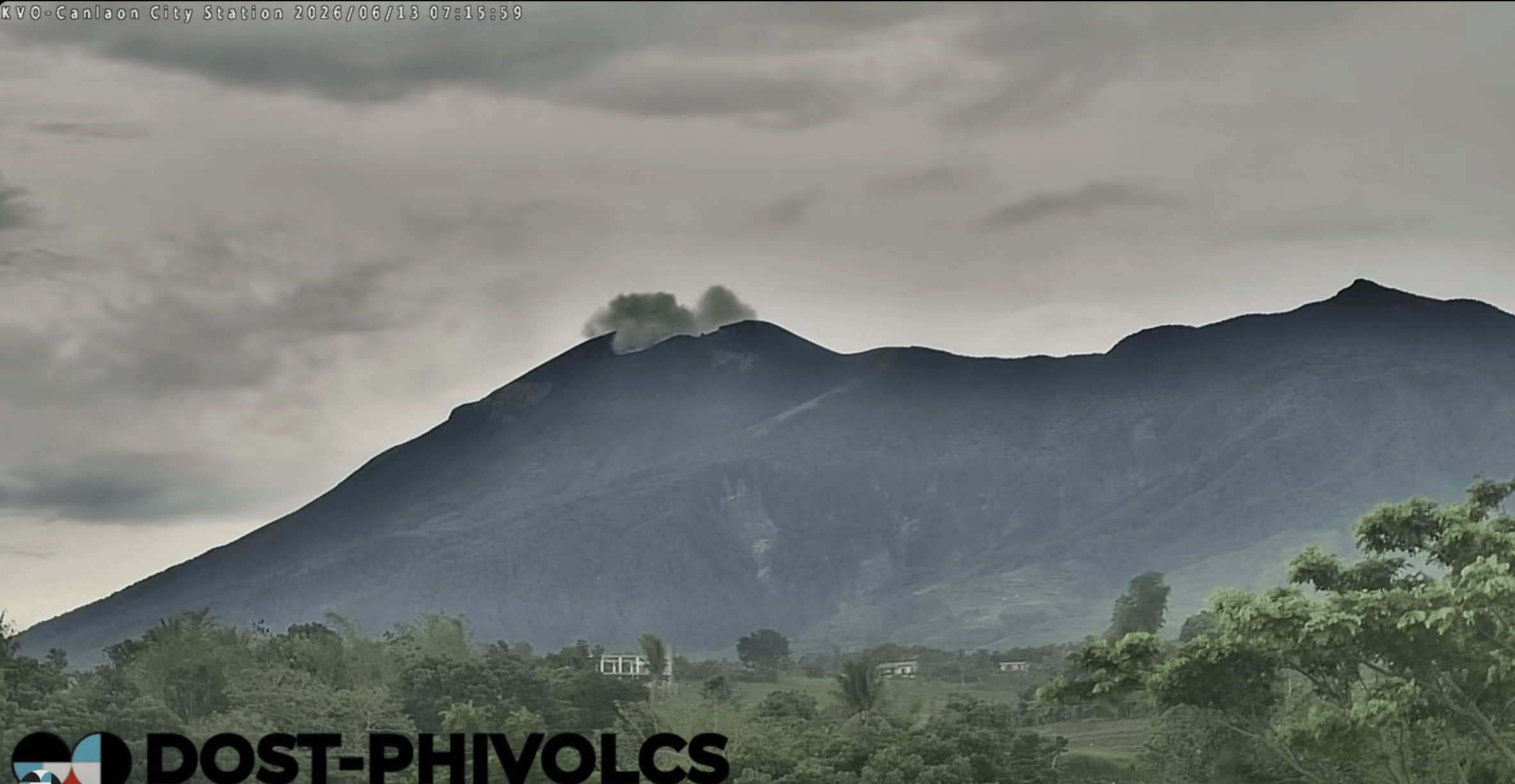
Mayon Volcano Continues Lava Effusion for 178th Day, Alert Level 3 Maintained
Lava effusion from the summit crater of Mayon Volcano in Albay, Philippines, has been recorded for 178 consecutive days. The volcano remains under Alert Level 3, with the Philippine Institute of Volcanology and Seismology (Phivolcs) urging residents to stay clear of the six-kilometer danger zone.
MANILA, Philippines — Lava effusion from the summit crater of Mayon Volcano in Albay was recorded for the 178th consecutive day on Wednesday as the volcano remained under Alert Level 3, the Philippine Institute of Volcanology and Seismology (Phivolcs) said. According to Phivolcs, camera footage recorded the event between 12:17 p.m. and 12:31 p.m. “Effusive eruption at Mayon Volcano continues for the 178th consecutive day, generating incandescent lava flows, pyroclastic density currents (PDC) or “uson,” and rockfalls,” Phivolcs said in a Facebook post. READ: Mayon continues effusive eruption Phivolcs Director Teresito Bacolcol earlier explained that PDCs are dangerous as they are an avalanche of a mixture of ashes, rocks, and gases and can quickly flow from the crater as fast as 100 kilometers per hour. Meanwhile, the 24-hour monitoring bulletin of the bureau indicated that the volcano logged five volcanic earthquakes, including one volcanic tremor that lasted for 25 minutes, 197 rockfall events, and one PDC signal. The crater glow remained visible to the naked eye. The volcano also released 2,321 tons of sulfur dioxide on Tuesday, which was more than the 1,593 tons emitted a day before. The volcano also generated a 300-meter plume above the crater which drifted northwestward and north-northeastward. As the volcano remained under Alert Level 3, which signifies intensified unrest, Phivolcs still prohibited the entry into the six-kilometer radius or permanent danger zone and flying of any aircraft close to the volcano. It also reminded nearby residents of possible hazards such as: rockfalls, ballistic fragments, lava flows, PDCs, moderate-sized explosions, and lahars. /mr
多角的分析
マヨン火山の長期にわたる火山活動は、地域経済に直接的な影響を与えている。観光業は打撃を受け、農業も火山灰による被害や立ち入り制限で影響を受けている。避難民への支援やインフラ復旧には政府の財政負担が増大する。また、火山活動の長期化は、地域住民の生計維持を困難にし、経済的自立を阻害する可能性がある。
マヨン火山の継続的な活動は、アルバイ州および周辺地域の投資環境に不確実性をもたらす。観光関連産業への投資はリスクが高まり、インフラ開発も火山活動の予測困難性から遅延する可能性がある。一方で、災害対策や復旧関連のビジネス機会は生まれるかもしれないが、全体的な投資意欲は抑制される傾向にあると考えられる。
マヨン火山の178日連続の溶岩流出は、アルバイ州の住民に継続的な不安と生活への影響を与えている。6キロメートル圏内の住民は避難生活を強いられ、生計手段を失う者もいる。学校の休校や交通網の寸断は、教育や日常生活にも支障をきたしている。火山灰の降下は、健康被害や農作物への影響も懸念される。
マヨン火山の活動が長期化する中、アルバイ州の住民は、いつまで続くかわからない避難生活と、それに伴う経済的困難に直面している。特に、観光業や農業に依存する地域では、生計の維持が喫緊の課題となっている。政府からの支援は継続されているものの、将来への不安は拭いきれない状況にある。
背景・歴史的文脈
マヨン火山は、フィリピン・ルソン島アルバイ州にある活火山であり、その美しい円錐形から「フィリピンで最も完璧な円錐形」と称される一方、フィリピンで最も活発な火山の一つでもある。過去200年間だけでも、20回以上の噴火が記録されており、その多くは溶岩流や火砕流を伴うものであった。1993年の噴火では、火砕流により多くの犠牲者が出た。今回の178日連続の溶岩流出は、過去の噴火と比較しても長期にわたる活動であり、フィリピン火山地震学研究所(Phivolcs)は、警戒レベル3を維持し、周辺住民への注意喚起を続けている。これは、火山の活動が単発的ではなく、継続的な脅威となっていることを示唆している。
原文ソース
Inquirer NewsInfo