Cambodia's Information Ministry Warns Against Relying on Social Media for News
Politics
2026年7月11日
5
Phnom Penh Post

Cambodia's Information Ministry Warns Against Relying on Social Media for News

AI サマリー

Cambodia's Ministry of Information has urged the public not to consider content on social media platforms like Facebook and TikTok as reliable news sources, citing the lack of editorial oversight and fact-checking. The ministry emphasized the importance of media literacy, especially among younger users who heavily rely on these platforms.

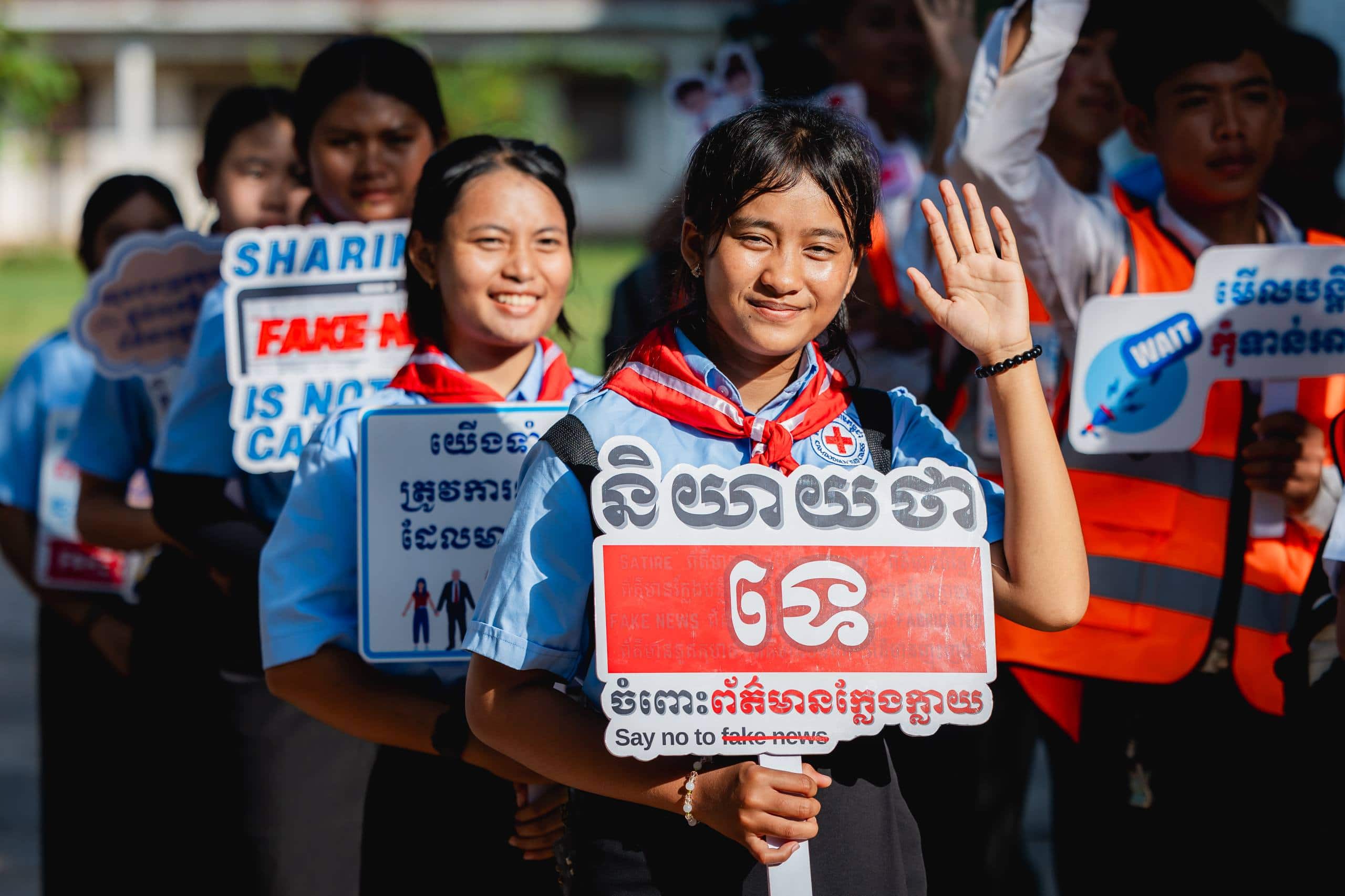
Cambodia’s Ministry of Information has urged the public not to automatically regard content shared on Facebook and TikTok as professional journalism, warning that the platforms allow anyone to publish information without editorial oversight or fact-checking. More than 15 million Cambodians actively use social media, with Facebook and TikTok enjoying particularly high usage among young people. Ministry spokesperson Tep Asnarith said the two platforms should not be considered official news media in Cambodia because they enable users to create accounts or pages and publish content without going through the editorial processes required of professional news organisations. He made the remarks during the launch of the second phase of the “Say No to Fake News” campaign, held at Bun Rany Hun Sen Chariyavong High School in Kep province on July 10. According to Asnarith, Cambodia more than 15 million of the Kingdom’s population of just over 17 million people are active social media users. Among students and young people of school age, about 59% use Facebook, while around 35% are active on TikTok. He questioned whether everyone with a social media account had received journalism training. “The answer is no,” he said. “The exception is official accounts or pages belonging to ministries, institutions, public figures or organisations that are managed by qualified professionals,” he added. Asnarith noted that anyone can create a Facebook or TikTok account and publish either accurate and inaccurate information, often without any prior verification of the content, images or claims being shared. While acknowledging that social media serves many purposes — including entertainment, business, product promotion and information sharing — he warned that using such platforms without critical thinking or verifying information could create confusion and have serious consequences for society. He contrasted social media posts with the work of professional news organisations, which follow editorial procedures requiring information to be checked by editors and verified through reliable sources before publication to ensure accuracy and compliance with journalistic ethics. Official media, he said, places greater emphasis on accuracy and credibility than speed. Although journalism has increasingly shifted to digital platforms where rapid reporting is important, verifying information remains an essential step before publication. Because Facebook and TikTok have become major sources of daily news and information for many Cambodians, particularly younger audiences, media literacy and the ability to distinguish between social media content and professionally produced journalism are increasingly important. Asnarith called on social media users to act responsibly when posting or sharing information by verifying sources before redistributing content to help prevent the spread of misinformation. According to the ministry, Cambodia’s official media outlets include the Agence Kampuchea Presse (AKP), National Television of Cambodia (TVK), National Radio of Cambodia (RNK) and the MoInfo mobile application, as well as the official websites and social media accounts of government leaders, ministries, public institutions, provincial and municipal administrations, information departments nationwide and other licensed media organisations. Source: Phnom Penh Post

多角的分析

経済的影響

ソーシャルメディアはカンボジア経済において、特に中小企業や個人のビジネスプロモーション、eコマースのプラットフォームとして重要な役割を果たしています。情報省の警告は、これらのプラットフォーム上の誤情報が、消費者心理や購買行動に悪影響を及ぼし、結果として経済活動に不確実性をもたらすリスクを示唆しています。特に、偽の製品情報や詐欺的な広告が拡散された場合、消費者の信頼が失われ、オンラインビジネス全体の成長を阻害する可能性があります。政府は、情報リテラシーの向上と同時に、プラットフォーム事業者との連携による誤情報対策を強化する必要に迫られています。

投資家心理

投資家にとって、ソーシャルメディアの信頼性問題は、カンボジアにおけるデジタルエコノミーへの投資判断に影響を与えうる要因です。特に、eコマースやデジタルマーケティング関連のスタートアップ企業への投資を検討する際、プラットフォーム上の情報が不確かな場合、その事業の持続可能性や収益性にリスクが生じる可能性があります。政府が情報リテラシー向上策を推進する一方で、プラットフォーム自体の透明性や管理体制が不十分であれば、海外からの直接投資(FDI)の意欲を削ぐ可能性も否定できません。信頼できる情報流通の促進は、デジタル分野への投資を呼び込む上で不可欠です。

社会的影響

カンボジアでは、FacebookやTikTokが若者を中心に主要な情報源となっており、日常生活に深く浸透しています。情報省の警告は、これらのプラットフォーム上で流布する誤情報や偽ニュースが、社会的な分断や混乱を招く可能性への懸念を浮き彫りにしています。例えば、医療情報や政治的なデマが拡散されれば、公衆衛生や社会秩序に直接的な影響を与えかねません。また、個人のプライバシー侵害やサイバーいじめといった問題も、検証体制の不備から生じる可能性があります。市民一人ひとりが情報リテラシーを身につけ、批判的に情報を受け止める能力を養うことが、健全な社会維持のために喫緊の課題となっています。

市民の声

カンボジア市民、特に若年層は、FacebookやTikTokを日常的な情報収集やコミュニケーションの主要な手段として活用しています。情報省の警告は、彼らが無意識のうちに誤った情報に触れ、それを信じてしまうリスクがあることを示しています。例えば、求人情報や健康に関するアドバイスなどが不正確だった場合、生活に直接的な影響が出ます。また、SNS上での炎上やデマの拡散は、個人の評判や精神的な健康を損なう可能性もあります。市民は、政府のキャンペーンと並行して、自身で情報源を確認し、鵜呑みにしない習慣を身につけることが求められています。

背景・歴史的文脈

カンボジアにおけるソーシャルメディアの普及は目覚ましく、特にFacebookは長年、国民の主要な情報源となってきました。しかし、その一方で、政治的な言説の場としても利用され、誤情報や偽ニュースの拡散が社会的な懸念となっていました。2018年の総選挙前後には、SNS上の情報操作が問題視され、政府は情報統制を強化する動きを見せています。今回の「フェイクニュースにノー」キャンペーンは、こうした背景の下、国民の情報リテラシー向上と、ソーシャルメディア上の情報に対する批判的思考の促進を目的としています。これは、デジタル化が進むカンボジアにおいて、情報環境の健全性を保つための政府の継続的な取り組みの一環と言えます。

原文ソース

Phnom Penh Post

原文を読む