Cambodia: RPL Assessment Crucial for Skilled Workforce Development, Private Sector Acknowledges
Cambodia's private sector recognizes the 'Recognition of Prior Learning' (RPL) assessment program as a vital mechanism for developing skilled labor and ensuring standardized, high-quality workers. This evaluation helps businesses understand employees' true skill levels, reduce training costs, and boost productivity.
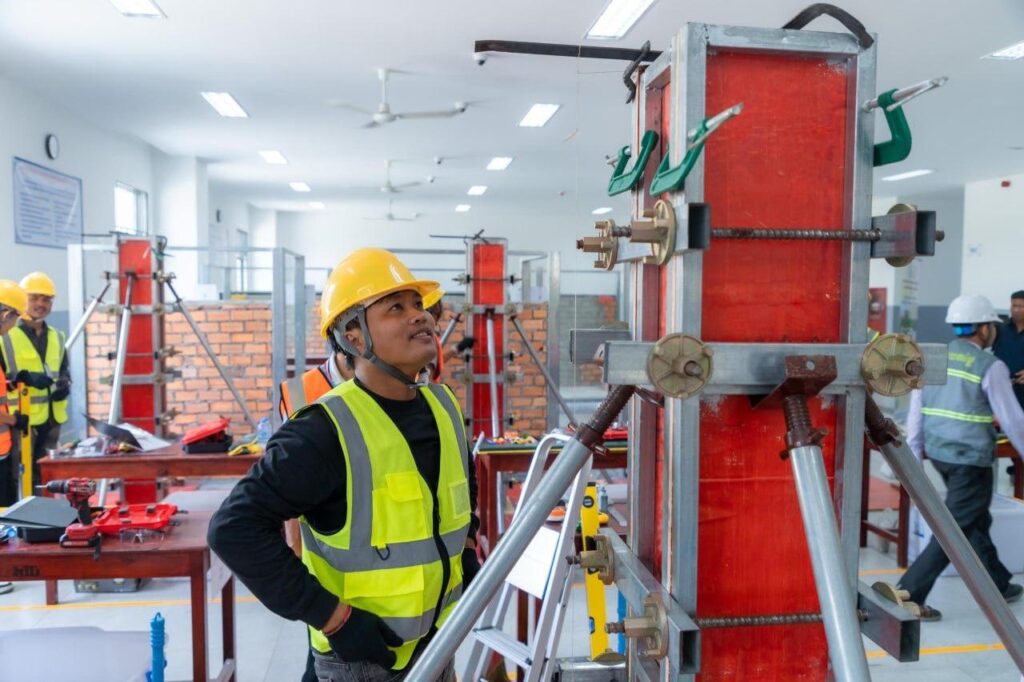
Cambodia's private sector has acknowledged the Recognition of Prior Learning (RPL) assessment program as a vital mechanism for developing skilled labor and ensuring a standardized workforce, thereby reducing technical errors and workplace accidents. Cheng Chamroeun, a private sector assessor specializing in rebar installation at the Polytechnic Institute of Preah Kossomak (PPI), stated that the RPL assessment helps business owners promptly understand the true skill level of their employees, allowing for targeted technical task assignments. He elaborated that individuals with genuine expertise in rebar installation must be capable of executing the entire process from beginning to end. While these skilled individuals possess practical expertise, they may still require some orientation to grasp the specific standards of different construction sites. Upon successfully completing the RPL test, they receive orientation on standards and a valuable certificate for their professional careers. Ri Nita, a private sector assessor for tile and masonry work at the National Technical Training Institute (NTTI), commented that RPL contributes to reducing employee training costs. This means savings on foundational skills training, allowing companies to focus solely on teaching specific company technologies. She affirmed that candidates undergoing assessment genuinely possess clear skills, requiring only guidance on the testing procedures. She emphasized RPL's importance for the private sector in sourcing skilled craftspeople or experienced personnel for their companies. Moreover, she noted that RPL can enhance investor confidence within the country, serving as a cornerstone for investors making swift decisions, and can help production lines operate quickly and efficiently, leading to substantial returns and time efficiency. According to Sun Mesa, spokesperson for the Ministry of Labour and Vocational Training, the assessors of candidate competencies maintain a good professional reputation, are recognized as official experts, and hold high confidence in this field. They continuously strengthen their technical skills and judgment, updating their knowledge in line with new labor market standards. He reiterated his appeal to returning former workers to promptly register for free skills assessments to obtain official certificates for confident participation in the domestic job market and to fully utilize the results of this assessment.
多角的分析
RPL(事前の技能認識)評価は、カンボジア経済における労働力の質向上と生産性向上に直接貢献する。熟練労働者の育成は、製造業や建設業といった主要産業の競争力強化につながり、ひいては輸出競争力の向上や国内経済の安定化に寄与する。企業にとっては、研修コストの削減と、より迅速な人材配置によるプロジェクト遂行の効率化という二重のメリットがある。これは、特に外資系企業が求める迅速な事業展開を後押しする要因となり得る。
投資家にとって、RPLは労働力の質と安定性に関する信頼性を高めるシグナルとなる。熟練した労働者が容易に確保できる環境は、初期投資のリスクを低減し、事業計画の実現可能性を高める。特に、建設、製造、サービス業など、高度な技能を要する分野への投資を検討している企業にとって、RPLによる技能証明は、人材確保の不確実性を減らし、事業開始までの時間を短縮する上で重要な要素となる。これは、カンボジアへの直接投資(FDI)を促進する一因となる可能性がある。
RPL評価は、特に帰国した元労働者や、非公式な経路で技能を習得した個人にとって、社会的な機会均等とエンパワメントを促進する。公式な技能証明の取得は、彼らが国内の正規雇用市場でより良い条件を得るための強力なツールとなる。これにより、低賃金労働や不安定な雇用から脱却し、経済的な自立と社会的地位の向上につながる可能性がある。また、若年層が職業訓練への関心を高めるきっかけにもなり得る。
RPL評価は、カンボジア国民、特に技能労働者にとって、自身のスキルを公式に認められ、より良い雇用機会を得るための重要な道を開く。これまで経験や実務能力のみで評価されていた労働者が、客観的な証明を得ることで、賃金交渉や昇進において有利になる。これは、特に建設現場などで働く多くの人々にとって、経済的な安定と生活水準の向上に直結する。また、技能の標準化は、労働災害の削減にもつながり、労働者の安全確保にも貢献すると期待される。
背景・歴史的文脈
カンボジアでは、経済成長に伴い、特に建設業や製造業における熟練労働者の需要が高まっている。しかし、従来の職業訓練システムだけでは、多様化する産業ニーズに十分に対応できていないという課題があった。そこで、政府は、実務経験や非公式な学習で培われた技能を公式に評価・認定するRPL(Recognition of Prior Learning)制度の導入を推進してきた。これは、労働者のスキルアップを支援し、国内の労働市場の質を向上させるための政策の一環である。特に、海外からの帰国労働者や、これまで正式な教育を受けていないが実務経験豊富な層を対象とすることで、彼らの社会復帰と国内経済への貢献を促進する狙いがある。
原文ソース
Kampuchea Thmey Local