General articles are free for 24 hours after publish.
Duterte faces ICC trial for drug war crimes
Former Philippine President Rodrigo Duterte is set to face trial at the International Criminal Court (ICC) for crimes against humanity stemming from his war on drugs. The trial, commencing on November 30, will see the prosecution present its evidence while his legal team defends him. Duterte was arrested in March 2025 and is currently detained at the ICC headquarters.
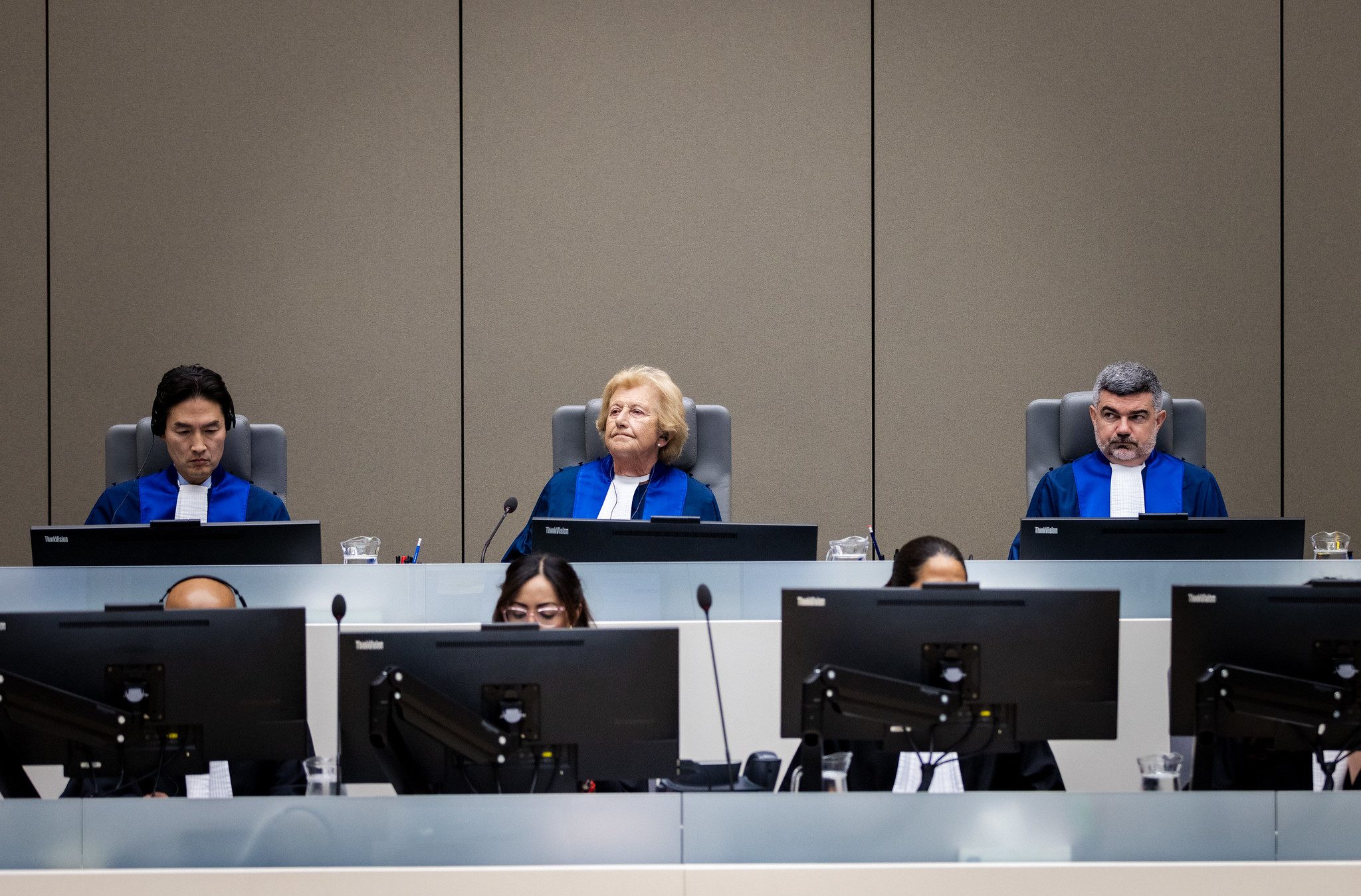
Former Philippine President Rodrigo Duterte is set to face trial at the International Criminal Court (ICC) for crimes against humanity stemming from his bloody war on drugs. The trial, commencing on November 30, will see the prosecution present its evidence while his legal team defends him. Duterte was arrested in March 2025 and is currently detained at the ICC headquarters in The Hague, Netherlands. The ICC Trial Chamber III will hold its third status conference on September 16, with the prosecution's case, including witness lists, estimated hours for presenting its case, evidence disclosure, and additional incidents, on the agenda. The trial schedule from November 30 until the ICC's spring recess in 2027 will also be discussed. Following his arrest on March 11, 2025, Duterte appeared before Pre-Trial Chamber (PTC) I on March 14. During this initial hearing, his identity and the language for proceedings were confirmed. In February 2026, the pre-trial chamber held confirmation of charges hearings, where the prosecution aimed to convince the court of substantial grounds to believe Duterte committed crimes against humanity. On April 23 of the same year, the chamber confirmed all three charges, elevating the case to the trial stage. Throughout this period, Duterte's camp challenged the ICC's jurisdiction. However, a day before the pre-trial chamber's decision, the ICC Appeals Chamber definitively denied Duterte's jurisdiction appeal, clearing the path for the trial. Prior to the status conferences, one of Duterte's lawyers, Nicholas Kaufmann, withdrew, and he was replaced by Peter Haynes, former president of the ICC Bar Association. While Duterte was absent from his pre-trial hearings and status conferences, his physical presence will be compelled during the trial proper. Recent filings and resolutions indicate that on May 21, PTC I denied Duterte's appeal of the chamber's ruling that confirmed his ICC cases. The following day, May 22, Trial Chamber III ruled that Duterte was not qualified for temporary liberty and must remain in detention. On June 28, the chamber also ordered the freezing of cash Duterte was carrying at the time of his arrest. In a motion dated August 31, Duterte's team requested the trial chamber to order the prosecution to refile the cases against him, arguing that the charging document (DCC) is "not fit for its purpose." The prosecution asserts that based on unanimous findings in expert reports, Mr. Duterte is capable of meaningfully exercising his procedural and fair trial rights and is fit for trial. Victims' representatives have also submitted their observations regarding Duterte's continued detention. The case reignites debates about the Philippines' war on drugs and the role of international judicial bodies. The war on drugs, which reportedly led to thousands of deaths under the Duterte administration, has drawn international scrutiny for alleged human rights violations. The upcoming ICC trial marks a significant step in accountability. Duterte still commands considerable support within the Philippines, and the trial's outcome could have implications for the country's domestic politics.
Original source
Rappler Philippines