General articles are free for 24 hours after publish.
DOH Debunks Suicide Myths, Promotes Responsible Reporting
The Philippines' Department of Health, observing Suicide Prevention Month, aims to debunk myths about suicide, promote accurate information, and reduce mental health stigma. They urged media to adopt responsible and ethical reporting practices.
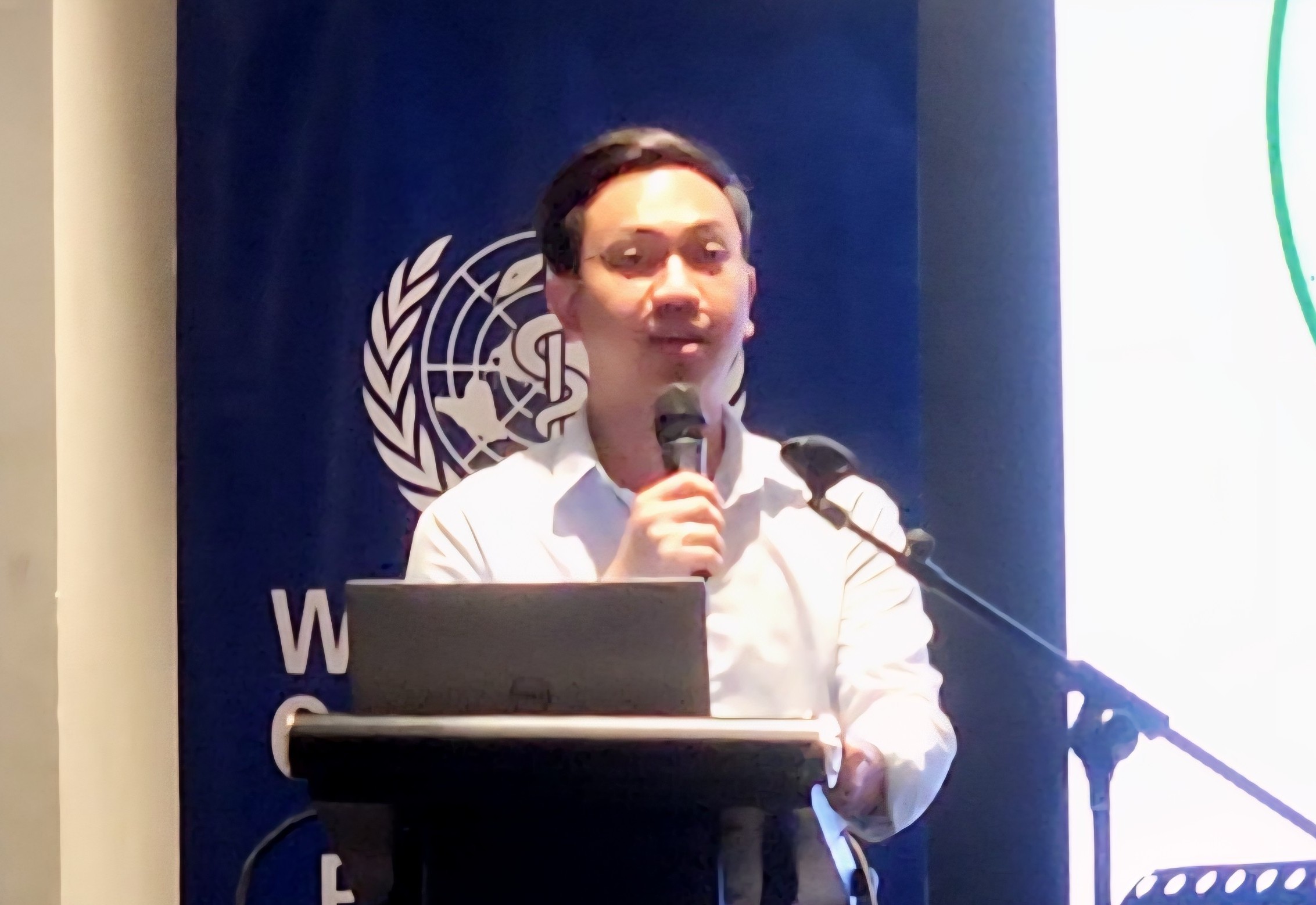
The Philippines observes Suicide Prevention Month every September to raise awareness about suicide prevention and help break the stigma surrounding mental health conditions. The Department of Health (DOH) on Monday conducted the "Mindful Media: Capacity Development on Responsible Reporting and Ethical Portrayal of Suicide" in Quezon City to strengthen responsible and evidence-informed media practices and promote compassionate and ethical reporting on suicide. Here are some of the myths about suicide debunked by the DOH: MYTH: Talking about suicide with someone who is suicidal is a bad idea and can be interpreted as encouragement. FACT: Talking about suicide can help a person explore options and prevent suicide. MYTH: Someone who is suicidal is determined to die. FACT: They may be ambivalent about living or dying. Access to support can help prevent suicide. "We urge them to address the situation and we want them to have access to available support," said Jason Roque, officer-in-charge division chief of the DOH Health Promotion Bureau. MYTH: Most suicides happen suddenly without warning. FACT: Most suicides are preceded by warning signs. Speaking to the media, Roque said there are warning signs that may indicate that a person is at risk of suicide. These warning signs may be seen in a person's words, feelings and actions. Words: Expressing hopelessness, wanting to die or asking about suicide methods. Feelings: Severe sadness, mood swings, unexpected rage and loss of interest. Actions: Withdrawal from usual activities and isolation. MYTH: Once someone is suicidal, they will remain suicidal. FACT: Heightened suicide risk is often short-term and specific to a situation. "Suicidal thoughts are not permanent. It is short term and specific to a situation," Roque said. "It's not permanent for an entire life of an individual because because a person can be triggered by different situations in their life," he added. These situations may include relationship concerns, financial problems, conflict, disasters, violence, abuse and loss. MYTH: Suicide is an appropriate means of coping with problems. FACT: Suicide is not a constructive means of coping with problems. Roque said it is better to talk to family members and peers when dealing with problems. MYTH: Only people with mental disorders are suicidal. FACT: Suicidal behavior can indicate deep unhappiness but does not necessarily mean that a person has a mental disorder. "There are so many things that can lead to deep unhappiness that may trigger a suicide attempt or the act of suicide itself," Roque said. MYTH: Suicidal behavior is easy to explain. FACT: Suicide is complex and cannot be explained in simplistic ways. "It's not easy. It's difficult to discuss because you cannot easily talk about it. Discussing it can feel like you're walking on eggshells," Roque said. To help avoid the stigma surrounding suicide, the DOH also presented the following terms that the public may use when talking about suicide. -- MCG, GMA News
Original source
GMA News Philippines