Cambodia's Anti-Scam Drive Faces Scrutiny Over Victim Protection Gaps
Cambodian authorities are conducting raids and deportations of online scam compounds, but a lack of official disclosure on victim identification and protection raises concerns that foreigners needing help are being treated as criminals.
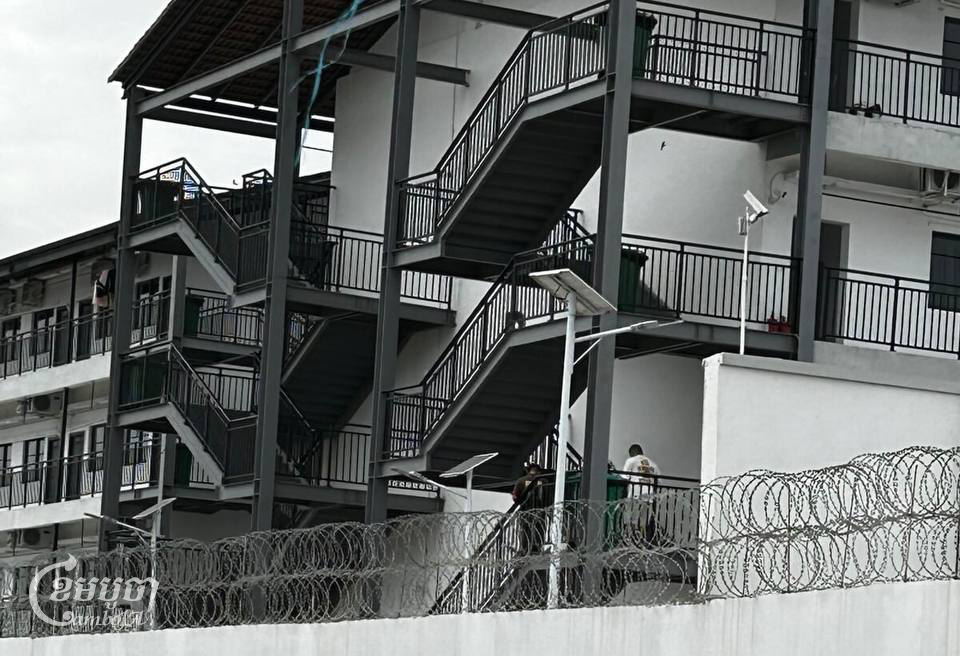
Cambodian Journalists Alliance Association Listen to the audio version of this article (generated by AI). While Cambodian authorities have publicized mass deportations and high-profile raids on online scam compounds, the government has not disclosed how many people removed from the operations have been identified as victims of human trafficking more than a year into its anti-scam campaign. The lack of official figures has reinforced concerns among rights groups that trafficking survivors are being treated as willing participants in criminal enterprises, potentially leaving thousands of foreigners who escaped scam compounds stranded in Cambodia without protection or support. The gap persists despite previous U.N. estimates that more than 350,000 people have been forced or coerced into working in scam centers across Southeast Asia, including at least 100,000 in Cambodia. Since July 2025, authorities have launched hundreds of raids after Prime Minister Hun Manet ordered a sweeping crackdown under mounting international pressure to dismantle an industry that U.S. estimates say generates $12.5 billion to $19 billion annually. More than 16,000 people from 33 countries have been deported in the first six months of this year after being rounded up during scam raids, the government said. Authorities also said more than 240,000 foreigners believed to be connected to fraud operations left Cambodia voluntarily during the same period. CamboJA News sought information from several government ministries and agencies about how the long-documented trafficking of scam workers has affected the crackdown. National Police Deputy Commissioner General Chuon Sovann and General Department of Immigration spokesperson Sok Somnea did not respond to multiple requests for comment. Touch Sokhak, spokesperson for the Ministry of Interior, referred questions to the National Committee for Counter Trafficking (NCCT). NCCT Vice President Chou Bun Eng said investigations into online scam compounds do not fall under its mandate and referred questions to the National Police. The committee has long faced scrutiny for failing to properly screen people found in compounds as trafficking victims, instead classifying cases as ordinary “labor disputes” or immigration problems. The scrutiny reached its peak last year when the U.S. State Department labeled Cambodia a “state sponsor” of human trafficking. Chou Bun Eng has previously downplayed the criticism and called for shared responsibility with victims’ home counties. But as the crackdown continues, support for an unknown number of foreign nationals who say they were forced to work in scam compounds under threats of torture or death has been limited. Opio Kenneth, a 28-year-old Ugandan, said he has been stranded in Phnom Penh since January after escaping a scam compound known as “Dong Ying” near the Vietnam border in Kampot province. The area has been identified in previous reports as a hub for online fraud where workers have described forced labor and abuse. Kenneth’s passport was confiscated by the compound’s supervisor and he said he had been forced to target people around the world with fraudulent cryptocurrency investment schemes, with a quota of contacting 10 potential victims a day. “The first time I didn’t meet the target, I was beaten. And the second time, they used an electric shock device on my hands,” he said. Kenneth said he escaped after security guards and alleged scam bosses abandoned the compound before police later raided it. Since escaping, he has slept on the streets of Phnom Penh while waiting for assistance from a local NGO that has sheltered others who fled scam compounds this year. He said he sleeps in a different place each night to avoid police attention and relies on donations from pagodas for food. Kenneth’s case is one of dozens reported by rights groups over the past year. Foreigners left stranded without passports or other legal documents are often held in immigration detention until they can be repatriated, although authorities have frequently waived visa overstay penalties. Amnesty International said in a June report that none of the 73 survivors of Cambodian scam compounds it interviewed had been formally recognized as trafficking victims, despite concluding they all met the internationally accepted definition. The rights group also documented cases in which survivors were allegedly extorted or threatened by police, or received inadequate assistance from their embassies. Responding to Amnesty’s report, authorities said they have adequate systems to identify trafficking victims and perpetrators and maintained the anti-scam campaign had been effective. Amnesty also said it identified state intervention at only 24 of the 86 scam compounds it documented over the past year. The government said it has shut down over 250 compounds and 91scam-linked casinos since July 2025. The group’s co-regional director Montse Ferrer warned that stranded survivors risk being trafficked again. She said Amnesty documented cases of people who escaped scam compounds amid the crackdown remained in Phnom Penh and were later trafficked into compounds in Sihanoukville. “When you look at what the Cambodian government reports on with respect to many of these individuals, they’re not referred to as victims,” she said. With more deportations expected as the crackdown continues, many foreigners stranded in Cambodia remain in legal limbo without formal recognition as trafficking victims. Indonesia said in June that more than 12,000 of its citizens who had worked in online scam operations had sought assistance since January. But only about 5,500 had returned home, its embassy in Phnom Penh said. China has repatriated the largest number of its citizens, though official figures or screenings are unclear. The South Korean and Malaysian Embassies in Phnom Penh did not immediately respond to requests for comment. While many countries screen returning former scam workers for signs of trafficking, those who remain stranded in Cambodia fear they will instead be treated as criminals. “I want people to know that we are not criminals,” Kenneth said. “We were deceived. We were enslaved.”
多角的分析
カンボジアの反詐欺キャンペーンは、年間数十億ドル規模とされるオンライン詐欺産業の撲滅を目指しているが、その経済的影響は多岐にわたる。摘発と国外追放は、詐欺産業に関わる資金の流れを一時的に断つ効果がある一方で、合法的なビジネスや投資への影響も懸念される。特に、詐欺複合施設が集中していた地域では、関連産業の衰退や雇用喪失が生じている可能性がある。また、国外追放された人々が母国で犯罪者として扱われるリスクや、カンボジアに残された被害者への支援不足は、国際的な経済活動における信頼性にも影響を与えかねない。
カンボジアにおけるオンライン詐欺複合施設の摘発とそれに伴う混乱は、投資家にとってリスク要因として認識される。政府の取り締まり強化は、治安改善や法執行の強化というポジティブな側面もあるが、一方で、法制度の不確実性や、人身売買被害者と詐欺加害者の区別が曖昧なまま処理が進むことへの懸念は、直接的な投資意欲を減退させる可能性がある。特に、カンボジアを拠点とするビジネスや、カンボジア国内での事業展開を検討している投資家は、法執行の透明性、人権保護、および将来的な政策変更のリスクを慎重に評価する必要がある。
オンライン詐欺複合施設から逃亡し、支援を必要とする外国人の plight は、カンボジア社会における人権保護と法の執行に関する深刻な問題を浮き彫りにしている。人身売買の被害者が、犯罪者として扱われるリスクに直面している現状は、国際的な人権基準からの逸脱を示唆している。さらに、このような被害者への支援体制の不備は、NGOや国際機関への負担を増大させ、社会的な摩擦を生む可能性がある。Opio Kenneth氏のような個人の体験談は、被害者の声が届きにくい状況と、彼らが直面する困難を具体的に示しており、社会全体で取り組むべき課題であることを示唆している。
カンボジア国民にとって、オンライン詐欺複合施設の摘発は、治安改善への期待をもたらす一方で、国内の法執行機関の能力や、人権に対する意識への疑問を投げかけている。特に、被害者とされる外国人が適切な保護を受けられない状況は、カンボジアが国際社会からの信頼を得る上で障害となる可能性がある。また、詐欺産業の根絶が、周辺地域や関連産業にどのような影響を与えるかについても、国民の関心が高まっている。プノンペン市民の視点からは、街に stranded された外国人が増加することによる治安や生活環境への影響も懸念される。
背景・歴史的文脈
カンボジアにおけるオンライン詐欺複合施設の問題は、2020年代初頭から顕在化し始めた。主に中国などからの犯罪組織が、東南アジア、特にカンボジアを拠点として、偽の投資詐欺やロマンス詐欺などのオンライン詐欺を世界中に展開。多くの場合、被害者を騙して高額な金銭を詐取するだけでなく、働かされている人々もパスポートを没収され、強制労働や虐待を受ける「現代の奴隷」状態に置かれていた。2023年頃から、米国務省による人身売買報告書でカンボジアが名指しされるなど、国際的な批判が高まり、2024年に入ってからは、カンボジア政府も本格的な取り締まりに乗り出した。しかし、摘発された施設から逃れた人々が、人身売買被害者として保護されるべきにもかかわらず、国外追放の対象となったり、不法滞在者として扱われたりするケースが後を絶たないことが、人権団体から問題視されている。
原文ソース
CamboJA News