General articles are free for 24 hours after publish.
BARMM Gears Up for First Regular Elections, Adopting Parliamentary System
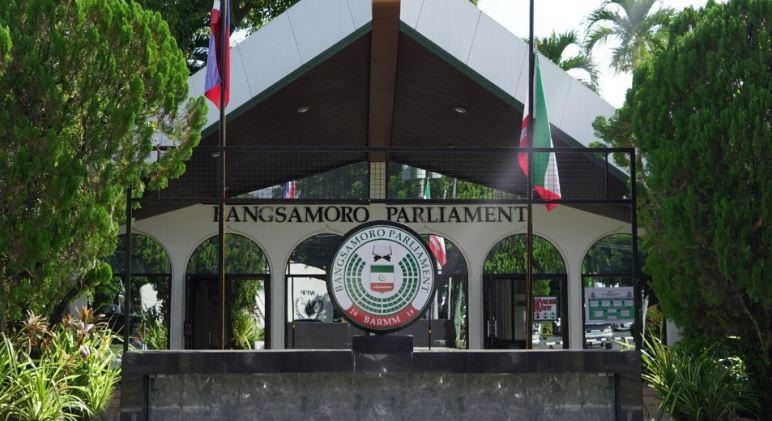
The Bangsamoro Autonomous Region in Muslim Mindanao (BARMM) in the Philippines is set to hold its first regular elections on September 14, 2026. This marks a transition to a "parliamentary form of government," where the Chief Minister will be elected by a majority vote of parliament members, not directly by the public. The shift aims to deepen the region's autonomy and political stability.
The Bangsamoro Autonomous Region in Muslim Mindanao (BARMM) in the Philippines is set to hold its historic first regular elections on September 14, 2026. This follows four previous postponements of the regional polls. Established by Republic Act No. 11054, or the Bangsamoro Organic Law, in 2018, BARMM was created to exercise self-governance in accordance with the Philippine Constitution. The law mandates a "parliamentary form of government" for BARMM, enabling its people to freely elect their representatives. The BARMM Parliament will consist of 80 members, with seats allocated across three classifications: Regional Parliamentary Party Representatives (RPPP), Parliamentary District Representatives, and Sectoral Representatives. RPPP seats are contested region-wide by registered political parties, with each party submitting a ranked list of 40 nominees. These seats are allocated proportionally based on the percentage of votes each party receives, requiring a minimum of 2.5% of the total valid votes to qualify. Parliamentary District seats are awarded to representatives elected from single-member districts through a direct plurality vote. The remaining eight seats are reserved for Sectoral Representatives, including two each for Non-Moro Indigenous Peoples (NMIP) and Settler Communities, and one each for Women, Youth, Traditional Leaders, and the Ulama. Notably, NMIP representatives will be selected by their own assembly. A significant shift is the election of the "Chief Minister." Unlike before, the Chief Minister will not be directly elected by the public but will be chosen through a majority vote among the 80 elected Parliament members. This parliamentary power marks a milestone, as the Chief Minister was previously appointed by the President of the Philippines. The Chief Minister serves as the head of the Bangsamoro Government and has the power to appoint heads of ministries and agencies. Two Deputy Chief Ministers will also be nominated by the Chief Minister and elected by the Parliament. For this inaugural election, Members of Parliament will serve an extended five-year term, which will conclude on June 30, 2031. Subsequent regular Bangsamoro elections will revert to a three-year term, with the next one scheduled for the second Monday of May 2031. The elections will utilize an Automated Election System (AES) with Automated Counting Machines (ACMs). Voters will shade their choices on paper ballots, which will then be processed by the ACMs. Ballots will be available in Filipino, English, and Arabic, and voters may bring a "cheat sheet" (kodigo) of their chosen candidates. Party logos will be displayed on ballots for easy identification, while individual candidates will have their photos printed alongside their names. This transition to a parliamentary system is a crucial step in strengthening BARMM's autonomy and enhancing political participation among its constituents. The election of the Chief Minister by the Parliament is expected to lead to more responsive governance tailored to the region's specific needs. Source: GMA News Philippines
Original source
GMA News Philippines