General articles are free for 24 hours after publish.
Research-Based Ecotourism for Forest Conservation and Community Coexistence in Lesan River, East Kalimantan
In East Kalimantan's Berau Regency, the Sungai Lesan Protected Forest is implementing forest conservation through research and ecotourism, with local communities at its core. This biodiversity hotspot relies on resident knowledge and cooperation to balance forest protection with economic benefits.
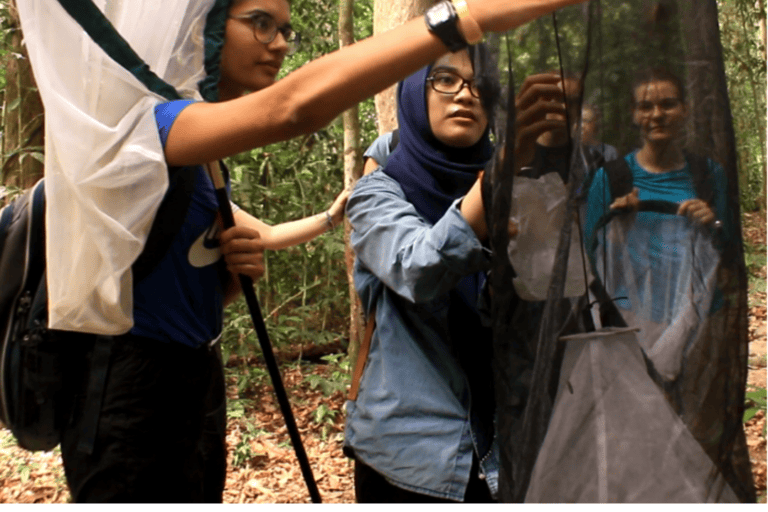
In Indonesia's East Kalimantan province, the Sungai Lesan Protected Forest in Berau Regency, spanning approximately 10,000 hectares, is pioneering a unique forest conservation approach by integrating research with ecotourism. This vital forest serves as a habitat for Kalimantan orangutans and a release site for rehabilitated individuals. The surrounding area is home to the Dayak community in Lesan Dayak village. Local residents are not mere complements but central actors in research activities and ecotourism. Community members are involved from the preparation stages, providing homestays and camping areas, welcoming visitors, and working as local guides. Their intimate knowledge of forest trails and wildlife sighting locations is crucial for research on birds, mammals, butterflies, herpetofauna, bats, vegetation, and carbon stocks. Nearly three months of research documented 55 species of herpetofauna, 38 species of terrestrial mammals, 112 species of butterflies, 187 species of birds, and 15 species of bats, highlighting Sungai Lesan's significance for Kalimantan's biodiversity. A butterfly guide book was also produced for the community to introduce the forest's richness to visitors. Despite its protected status, Sungai Lesan faces pressures from land clearing and surrounding oil palm plantations. The corridors connecting it to larger forest areas are also at risk of land-use conversion. In this context, community-led research and ecotourism are expected to generate economic benefits while strengthening the rationale for forest preservation. How local communities can be positioned as primary drivers of research and conservation remains a critical question. Information source: Mongabay Indonesia
Original source
Mongabay Indonesia