General articles are free for 24 hours after publish.
El Niño Intensifies Drought and Water Scarcity Risks in Vietnam, Early Action Crucial
Vietnam faces intensified water scarcity, drought, and saltwater intrusion due to a strong El Niño, with rainfall projected to decrease by 20-40% over the next two years. Authorities are urged to implement early and long-term water management strategies, moving beyond seasonal responses.
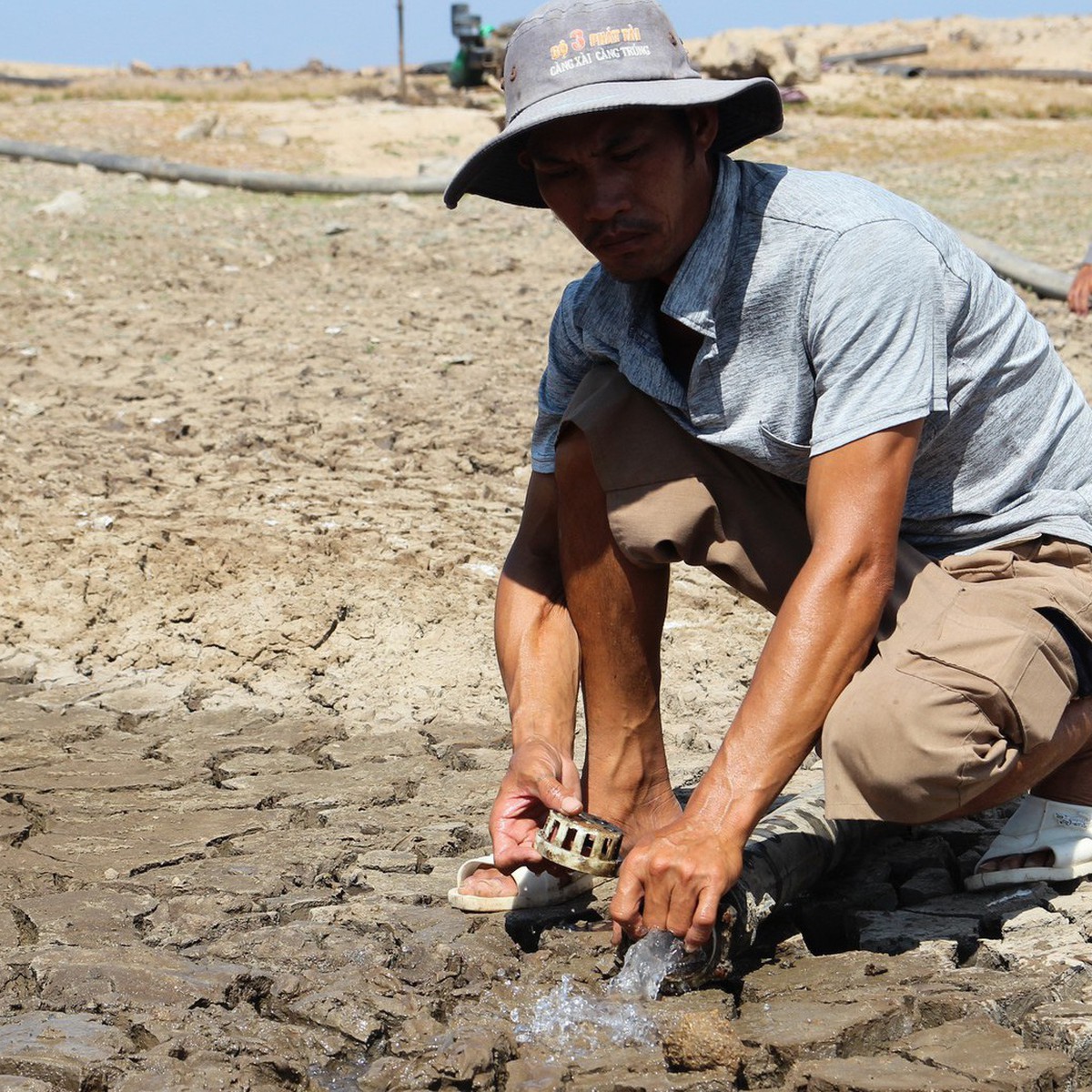
Vietnam is currently under the influence of one of the strongest El Niño phenomena in decades, with escalating risks of severe water scarcity, drought, and saltwater intrusion over the next two years. According to Ta Thi Hong An, a forecaster at the National Center for Hydro-Meteorological Forecasting, El Niño officially reached a very strong intensity in the second week of September and is predicted to maintain this status until early 2027. This phenomenon is expected to reduce rainfall by 20-40%, particularly in the South Central, Central Highlands, and Southern regions, potentially leading to an early end to the rainy season. Consequently, the risk of water shortages and saltwater intrusion is projected to significantly increase from late 2026 into early 2027. Ngo Manh Ha, Deputy Director of the Directorate of Water Resources Management (Ministry of Agriculture and Rural Development), highlighted that the depletion of water reserves in reservoirs and reduced river flow during the dry season are the most concerning issues. In Vietnam, approximately 96.5% of total water exploitation comes from surface water sources, essential for daily life and economic activities. The ability to meet water demand during the dry season heavily relies on the volume of water stored and regulated by irrigation and hydropower reservoirs. "If reservoirs do not accumulate enough water during the 2026 flood season, we will enter the 2027 dry season with an already depleted 'reserve.' Moreover, the dry season typically lasts 7-9 months, and river flow is also at risk of declining," Ha warned. Experiences from previous El Niño events in 2015-2016 and 2019-2020 demonstrate the potentially devastating impact on water resources. "If measures to store water early and rationally are not implemented during the 2026 flood season, the risk of drought and water shortages affecting people's lives and production activities is imminent," Ha emphasized. Regarding solutions, Ha stated that the most crucial step is to regulate and distribute water resources early and proactively, rather than waiting until the peak of the dry season. From the end of 2026, especially September 2026, reservoir storage capabilities across all basins must be reviewed. A plan for water accumulation and economical regulation for the 2027 dry season should be developed, prioritizing drinking water. Reservoirs need to be operated flexibly, balancing safety and flood control with water accumulation for the dry season. Water storage should be based on hydro-meteorological developments and water source forecasts, avoiding rigid adherence but also seizing favorable water periods. For reservoirs within inter-reservoir operating processes, flexible operating mechanisms should be further studied in response to drought and El Niño impacts. Alongside water storage, ministries and localities must prepare clear prioritization plans for water use during the dry season, with drinking water taking precedence. Non-urgent, high-water-consumption needs with low economic value should be reviewed, adjusted, or cut when water resources are scarce. For agriculture, Ha advised proactive planning in production. Localities, especially in the South Central Coast, Central Highlands, Eastern South, and Mekong Delta, should identify areas at risk of water shortages to adjust crop structures, cropping seasons, or even reduce cultivation areas where water is insufficient. Adjusting planting schedules is also vital, particularly in Central Vietnam and the Mekong Delta, to avoid production during peak drought, water scarcity, and saltwater intrusion periods. Another solution proposed by Ha is the proactive preparation of backup water sources from groundwater. Compared to surface water, groundwater is less directly affected by short-term hydro-meteorological fluctuations. If managed and exploited reasonably, it can serve as an important supplement when surface water diminishes. "We need to review existing groundwater exploitation facilities and boreholes from water survey and exploration projects in water-scarce areas to use them as backup sources during droughts and water shortages, especially in the Mekong Delta and Central Highlands. However, exploitation must be strictly controlled to prevent long-term groundwater depletion," Ha cautioned. In response to the El Niño threat, Deputy Prime Minister Ho Quoc Dung has instructed the Ministry of Industry and Trade to proactively develop plans for the rational use of energy resources and to prepare for potential water shortages in hydropower reservoirs in late 2026 and early 2027. Source: The Saigon Times
Original source
The Saigon Times