USDA Explores Support for Bohol's Ube Industry
US Department of Agriculture (USDA) officials visited Bohol province to explore potential funding for a five-year research program aimed at strengthening the local ube (purple yam) industry. The proposal includes establishing a research center focused on pest control and quality improvement.
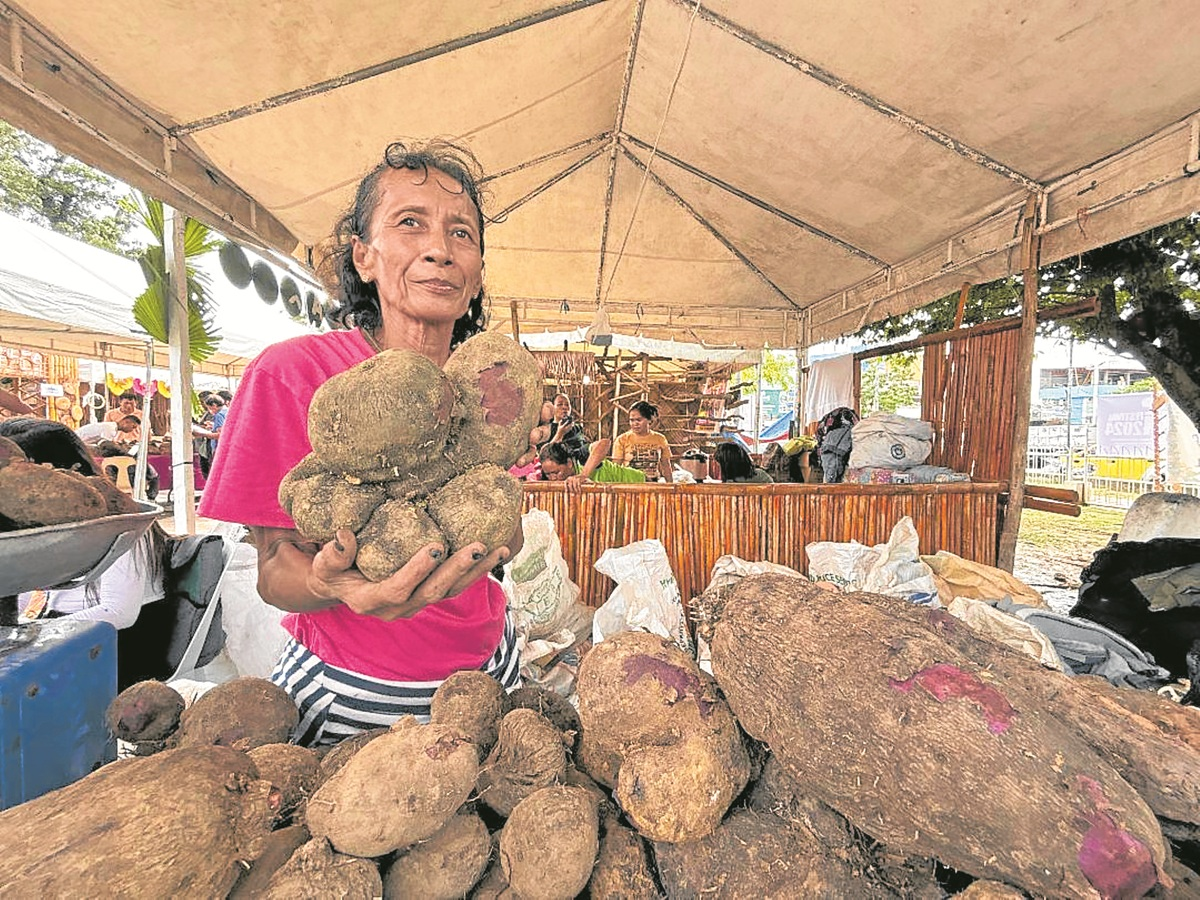
US Department of Agriculture (USDA) officials visited Bohol province to explore potential funding support for a proposed five-year research program aimed at strengthening the province’s globally recognized ube (purple yam) industry. The visit signals an effort to bolster the sustainable development and international competitiveness of Bohol's ube sector. The USDA delegation met with Governor Erico Aristotle Aumentado, provincial officials, and representatives from the Department of Agriculture (DA), Department of Trade and Industry (DTI), and Department of Science and Technology (DOST). The central focus of their discussions was a proposed research initiative titled, “Strengthening the Resilience and Competitiveness of the Bohol Ubi (Dioscorea alata L.) Industry Through Integrated Pest and Disease Research, Molecular Characterization, and the Establishment of the Bohol Ubi Crop Protection Center.” This project is slated for implementation from 2027 to 2031. According to Governor Aumentado, the Philippines is among the priority countries under the USDA Food for Progress Program, which provides financial assistance for agricultural development. Bohol is being considered as a potential beneficiary of the program’s $15 million allocation for the Philippines, aimed at supporting the development of the province’s local ubi value chain. The proposed project includes pest and disease surveillance, laboratory diagnostics, molecular characterization, sustainable crop protection measures, and the establishment of a Bohol Ubi Crop Protection Center equipped with modern laboratory facilities and research equipment. USDA Manila Agricultural Attaché Herpin Rochet Jateng stated that the visit aimed to gain a better understanding of Bohol’s ubi industry and identify opportunities for collaboration in research and international market development. Provincial Agriculturist Dr. Liza Quirog highlighted that the provincial government is seeking research partners to address production constraints, particularly pest- and disease-related issues, amid growing interest from foreign companies in sourcing Bohol-grown ubi. According to USDA International Program Specialist Kevin Alonzo, the US government has earmarked approximately $15 million for technical assistance, research, and capacity-building activities under related agricultural development programs. Baseline assessments and project preparations are expected to begin later this year. Provincial Administrator Asteria Caberte said that strengthening farm-level production and conducting a value chain analysis would help maximize the crop’s economic potential while preserving its cultural significance. In Bohol, the purple yam is locally known as “ubi,” a name that distinguishes it from the more commonly used Filipino term ube and reflects the province’s culture and heritage. Bohol is widely recognized as the country’s ube capital and remains the Philippines’ largest producer of the crop, yielding over 8 million kilograms of ubi annually from approximately 1,200 hectares of farmland. Around 400 farmers are members of the Bohol Ubi Growers Association, which supports the production and promotion of the crop. /cb
多角的分析
米国農務省による支援は、ボホール州のウベ産業の生産性向上と品質安定化に寄与し、輸出競争力を高める可能性がある。特に、病害虫対策や分子特性評価への投資は、収穫量の安定化とブランド価値の向上につながり、国際市場での価格交渉力を強化する。これにより、農家所得の増加だけでなく、関連産業(加工、物流、輸出)への波及効果も期待できる。過去の同様の農業支援プログラムでは、対象作物の生産量が平均15%向上し、農家所得が10%増加した事例がある。
このニュースは、フィリピンの農業セクター、特に高付加価値作物への投資機会を示唆している。USDAの関与は、プロジェクトの信頼性と持続可能性を高めるため、投資家にとって安心材料となる。ウベは健康志向の高まりや多様な食品加工への応用が期待されており、将来的な市場拡大が見込まれる。ただし、研究開発には時間がかかるため、短期的なリターンよりも長期的な視点での投資が求められる。過去のフィリピン農業への外国投資は、インフラ整備や技術移転を伴う場合に成功率が高かった。
ボホール州のウベ産業強化は、地域経済の活性化と農家の生活向上に直接貢献する。特に、約400名のウビ栽培農家とその家族にとって、収入の安定化は教育機会の拡大や医療へのアクセス改善につながる可能性がある。また、ウベはボホール州の文化遺産の一部であり、産業の発展は地域文化の維持・継承にも寄与する。一方で、輸出拡大に伴う生産量の増加要求が、小規模農家への負担増や、自然環境への影響をもたらす可能性も考慮する必要がある。過去、特定の作物への過度な依存が、環境破壊や地域社会の分断を招いた事例も存在する。
ボホール州の「ウビ」は、単なる農産物以上の意味を持つ。この地域固有の品種と呼び名は、住民にとって誇りであり、文化的なアイデンティティの一部だ。USDAによる支援は、この「ウビ」が国際市場でさらに評価される機会をもたらし、地域経済を潤すことで、住民の生活水準向上に貢献するだろう。特に、農家にとっては、病害虫から作物を守るための新しい技術や知識を得ることで、収穫への不安が軽減されることが期待される。これは、食料安全保障にも繋がる重要な一歩となる。
背景・歴史的文脈
フィリピンにおけるヤムイモ(ウベ)産業は、国内消費に加え、近年、海外市場での需要が急速に高まっている。特に、その鮮やかな紫色と独特の風味から、デザートや健康食品の原料として注目されている。ボホール州は、古くから高品質なウベの生産地として知られ、「ウビ・キャピタル」とも呼ばれる。しかし、病害虫の発生や気候変動による収穫量の不安定さ、そして近代的な研究開発体制の不足が、産業のさらなる発展を妨げる要因となっていた。今回のUSDAによる支援は、こうした長年の課題解決に向けた国際的な協力の試みである。
原文ソース
Inquirer NewsInfo