ASEAN ministers push stalled peace plan in Myanmar talks
Politics
2026年7月13日
3
Myanmar Now
Relations
🇲🇲Myanmar🇹🇭Thailand🇵🇭Philippines🌐United Nations / ASEAN

ASEAN ministers push stalled peace plan in Myanmar talks

AI サマリー

Southeast Asian foreign ministers pressed their Myanmar counterpart for “concrete” progress on a stagnant ASEAN peace plan for the country during a meeting in Bangkok on Sunday, top Thai and Philippine diplomats said. Th

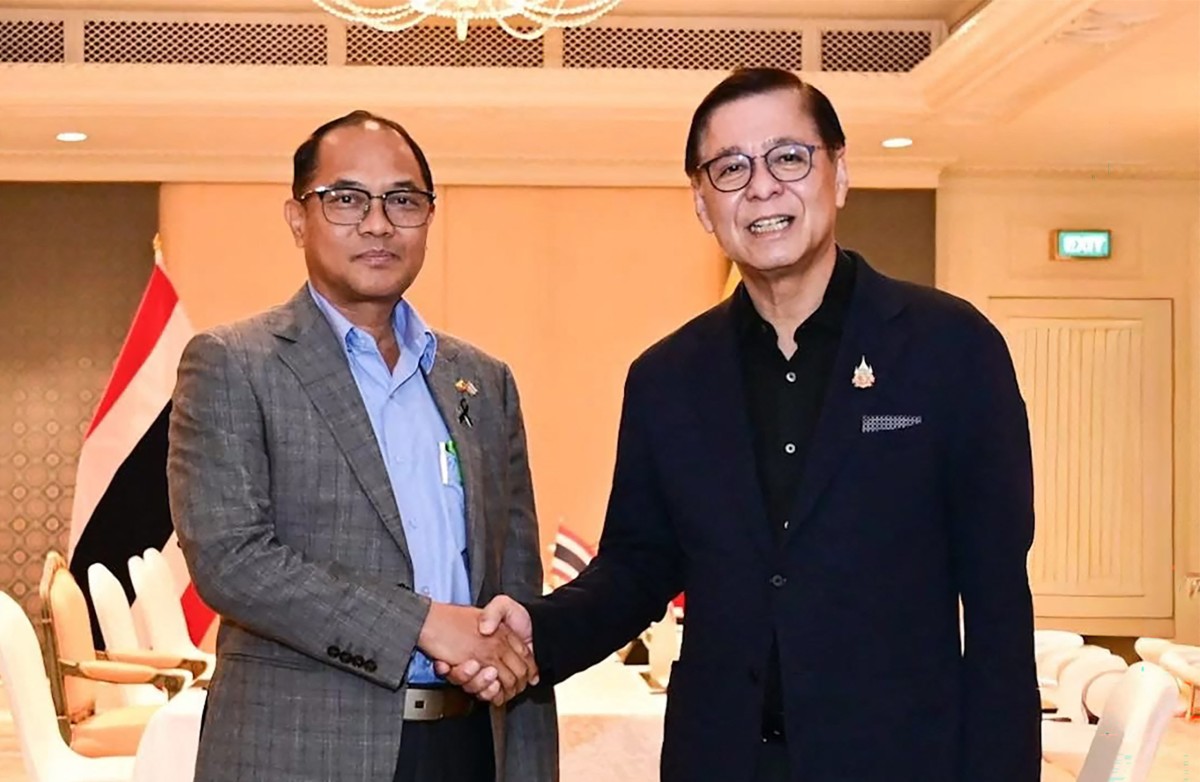
Southeast Asian foreign ministers pressed their Myanmar counterpart for “concrete” progress on a stagnant ASEAN peace plan for the country during a meeting in Bangkok on Sunday, top Thai and Philippine diplomats said. The meeting between foreign ministers of several members of the 11-nation Association of Southeast Asian Nations (ASEAN) and Myanmar’s Foreign Minister Tin Maung Swe was the first such gathering since a 2021 military coup in the country. Myanmar has been diplomatically sidelined within the regional bloc since the country’s military ousted the democratically elected government of Aung San Suu Kyi more than five years ago, triggering a civil war. But junta chief Min Aung Hlaing was installed as civilian president in April following highly restricted elections, and neighbouring Thailand has been leading attempts at normalising relations. Thai Foreign Minister Sihasak Phuangketkeow told a press briefing on Sunday that his government supported “calibrated engagement” with Myanmar in an effort to implement ASEAN’s “five-point consensus” plan aimed at ending the war between the military and a coalition of pro-democracy rebels and ethnic minority armed groups. But he said it required Myanmar to address the concerns of ASEAN and the international community. “We have some concrete expectations” with regard to humanitarian assistance, reduction of violence, especially against civilians, and promoting inclusive political dialogue, Sihasak told reporters. He also urged “further release of political prisoners and further positive development” with regard to 81-year-old Suu Kyi, who remains detained after she was moved from prison to house arrest. “We want to see progress, step by step,” Sihasak said. ‘Concrete actions’ But ASEAN has made little headway with its initiative to end Myanmar’s civil war through dialogue with all sides. Myanmar lawmakers—elected in a vote that did not include rebel-controlled areas or Suu Kyi’s party—blasted the bloc’s plan in parliament last week, calling for it to be “reviewed and reconsidered,” the state-run Global New Light of Myanmar said. The plan “undermines Myanmar’s equality within ASEAN and is inconsistent with ASEAN’s fundamental principle of non-interference in the internal affairs of a member state,” they said, according to the outlet. Still, Philippines’ Foreign Secretary Theresa Lazaro said she and the bloc stood behind the plan. Lazaro, who is also the Myanmar special envoy of the ASEAN chair, told reporters that ministers at the meeting in Bangkok hoped Myanmar would take the “opportunity to make concrete and demonstrable progress or benchmarks on the core points of the five-point consensus”—although no timeline was set. “ASEAN called for concrete actions towards the cessation of hostilities,” she said, adding that she intended to visit Myanmar this year in an effort to expand access to humanitarian assistance in the country. The five-point plan, which Myanmar and the rest of ASEAN agreed to in 2021, calls for an immediate halt to hostilities and for dialogue between all parties, mediated by the ASEAN envoy. But consensus among ASEAN members is fraying, analysts say, between those open to seizing on small concessions to bring Myanmar back into the fold—a group led by Bangkok—and those maintaining a firmer stance. Thailand, the Philippines, Indonesia, Singapore, and Vietnam confirmed their foreign ministers’ attendance on Sunday, while Malaysia’s foreign minister told AFP he could not attend but sent other representatives. More than 100,000 people have been killed in Myanmar’s civil war, according to monitor group ACLED. In 2025, we marked the 10th anniversary of Myanmar Now. In Myanmar’s history, journalists are often the first targets during political repression. We founded this outlet during a brief window of stability, starting with a small team in a modest office in downtown Yangon. Our goal was simple: to report on injustices that had been silenced for decades. In many countries, justice is sought through courts and police. In Myanmar, these institutions have historically been instruments of oppression. From the start, we committed to reporting without discrimination—regardless of ethnicity, religion, or citizenship. We believe our work should be accurate, deeply sourced, and strong enough to serve as a historical record. We also believe journalism should be a force for positive change, and that our primary readers should be the people of Myanmar. That belief came at a cost. Members of our team and others associated with Myanmar Now have endured long legal battles, physical assaults, arrests, and torture. Despite these hardships, Myanmar Now continues to report the news—thanks to the resilience of our team, the courage of our sources, and the trust of our readers.

多角的分析

経済的影響

直接の経済ニュースではありませんが、治安と司法の信頼は地域経済の土台です。職場での暴力や未成年者保護への不安が強まると、夜間営業、観光、雇用、地域サービス業のリスク認識が高まります。

投資家心理

投資家目線では、個別事件よりも法執行の予見可能性が焦点です。加害者への対応が曖昧になれば、ローカルビジネスの統治リスクや従業員保護の弱さとして評価されやすくなります。

社会的影響

メンバーの現場では、暴力を「個人間の事件」で片づけず、誰が守り、誰が説明するのかを可視化する圧力が強まります。軍の動きは、被害者側が孤立しやすい環境で、沈黙より手続きを選ぶための足場になります。

市民の声

市民にとっては、自分や家族が被害に遭った時に公正な手続きへアクセスできるのかが最大の関心です。地域団体が声を上げることで、事件の風化を防ぎ、被害者側の孤立を和らげる意味があります。

背景・歴史的文脈

このニュースは、ミャンマーの地域社会で法の支配と弱者保護がどこまで機能しているかを映す事案です。暴力事件そのものに加え、女性団体や市民社会が司法手続きを求めて声を上げている点が重要です。軍政下では警察・司法への信頼が揺らぎやすく、個別事件が地域の不安や統治への不信に直結します。

原文ソース

Myanmar Now

原文を読む