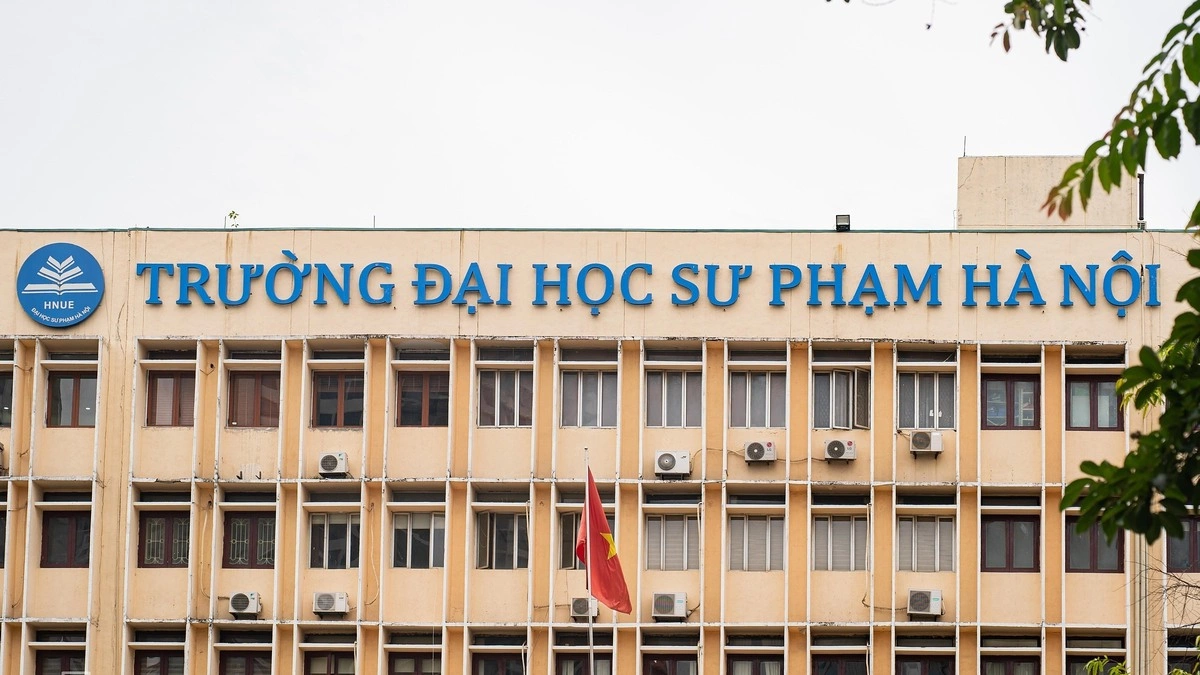
Hanoi National University of Education Sets Highest Entrance Score of 22 for Teacher Training Programs
Hanoi National University of Education has announced its minimum admission score for the 2024 academic year. Notably, teacher training programs, including Special Education and Mathematics (taught in English), have the highest threshold set at 22 points, exceeding the Ministry of Education and Training's general standard for teacher training by 2 points.
Hanoi National University of Education announced its minimum admission score for the 2024 academic year on July 9. Notably, the teacher training programs have set a high benchmark of 22 points. Specifically, disciplines such as Special Education, Mathematics taught in English, Biology, Literature, and History require a minimum score of 22 out of 30 to be considered for admission. This score significantly exceeds the general minimum admission standard for teacher training programs set by the Ministry of Education and Training. While Music and Art Education programs have a relatively lower threshold of 19 points, other teacher training disciplines generally require scores ranging from 20 to 21 points for admission consideration. For non-teacher training programs, most have minimum admission scores set between 18 and 20 points. The newly established Sports Coaching program this year has the lowest threshold at 16.5 points. These scores are based on the total marks of three subjects out of 30, without coefficients, plus regional priority points. Hanoi National University of Education plans to admit approximately 6,000 students this year through various methods: selecting candidates with outstanding abilities and achievements, based on the university's own competency assessment test (SPT), and based on high school graduation exam scores. For the 2025 academic year, admission scores are expected to range from 19 to 29.06 points across all selection methods, with History Education anticipated to have the highest cut-off score.
多角的分析
ハノイ師範大学の入学基準引き上げは、質の高い教員養成への投資という側面を持つ。これは、ベトナム政府が教育の質向上と人材育成に力を入れている経済成長戦略の一環と見られる。教育への投資は、長期的には労働生産性の向上やイノベーションの促進につながり、経済全体の競争力強化に寄与する可能性がある。
教育分野への投資、特に質の高い教員養成機関への支援は、将来的な人材供給の安定化に繋がるため、長期的な視点ではポジティブと捉えられる。しかし、短期的な投資リターンとしては、直接的な影響は限定的だろう。教育機関の運営や関連産業への間接的な効果は考慮に値する。
教員養成課程の入学基準引き上げは、教職を目指す若者にとって競争の激化を意味する。特に、優秀な人材が教職に就くことは、将来の教育の質向上に繋がる一方で、一部の学生にとっては進学のハードルが上がる可能性がある。これは、地方出身者や経済的に困難な家庭の学生にとって、より大きな挑戦となるかもしれない。
教員養成課程の入学基準が22点と高くなったことで、優秀な学生が教員を目指しやすくなる一方で、入学できる学生の数は限られる。これは、将来的に質の高い教員が不足する懸念を払拭する一方、一部の学生にとっては学歴獲得の道が狭まることを意味する。特に、地方から都市部への進学を目指す学生にとっては、競争がさらに厳しくなるだろう。
背景・歴史的文脈
ベトナムでは、経済成長と共に教育への関心が高まっており、質の高い教育人材の育成が国家的な課題となっている。特に、教員養成大学の入学基準は、将来の教育の質を左右する重要な指標と見なされている。過去、一部の教員養成課程では入学基準が比較的低く、教員の質に関する懸念も指摘されてきた。今回のハノイ師範大学による大幅な基準引き上げは、こうした背景を受け、教育訓練省が掲げる「教育の質向上」という政策目標を具体的に実行に移した形であり、優秀な人材を教職に惹きつけるための戦略的な動きと言える。
原文ソース
VnExpress