General articles are free for 24 hours after publish.
Feeding Wild Monkeys, Good Intentions Lead to Disease Spread
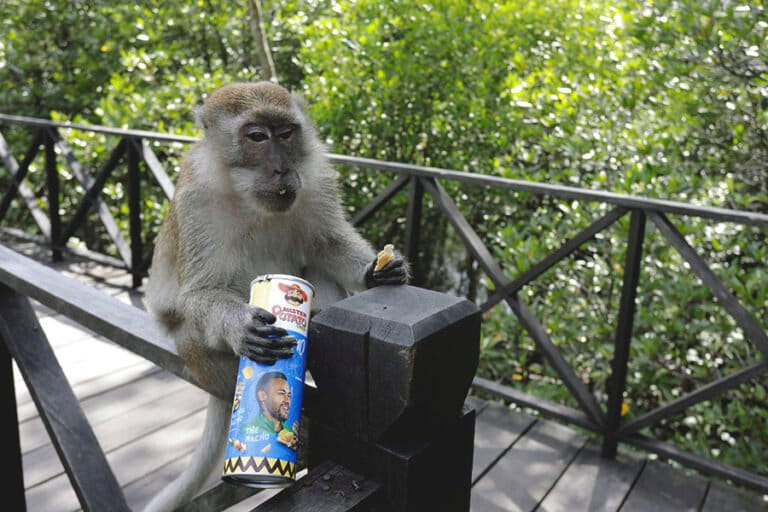
Feeding wild monkeys in Indonesia is increasing disease risk and altering natural behaviors. Human-provided high-sugar, high-fat foods negatively impact monkey digestive systems, leading to weakened immunity.
Feeding wild monkeys with human snacks like bread and biscuits in Indonesia is raising health concerns and increasing the risk of disease transmission, according to observations. Naturally, the digestive systems of wild monkeys are adapted to diets rich in forest fruits, leaves, and insects. The gut microbiome plays a crucial role in converting these foods into energy and maintaining their immune system. However, processed foods provided by humans, which are high in sugar and fat but low in fiber, can disrupt this balance, leading to an imbalance in gut bacteria known as 'dysbiosis'. Research conducted in Malaysia compared monkeys living in urban mangrove parks with frequent human interaction to those in forest reserves with less human exposure. The study found that monkeys with higher human interaction had lower gut microbial diversity. This dysbiosis can weaken their immune systems, making them more susceptible to illnesses. Furthermore, antigen for Giardia, a parasite causing diarrhea, was detected in approximately 20% of stool samples from monkeys in urban mangrove areas. Helicobacter macacae, a bacterium linked to intestinal infections, was also found. Close proximity between humans and monkeys creates opportunities for pathogens to transfer across species. Diseases can spread from animals to humans, and vice versa. Therefore, the issue of feeding wild monkeys is not just about animal health but also a public health concern. Monkeys accustomed to receiving food from humans may also lose their natural foraging behaviors and become dependent on people.
Original source
Mongabay Indonesia